LATEST NOTICES
University of Kelaniya Successfully Conducts UNESCO International Day Programme on Contested Heritage
- Social Sciences
- Posted On
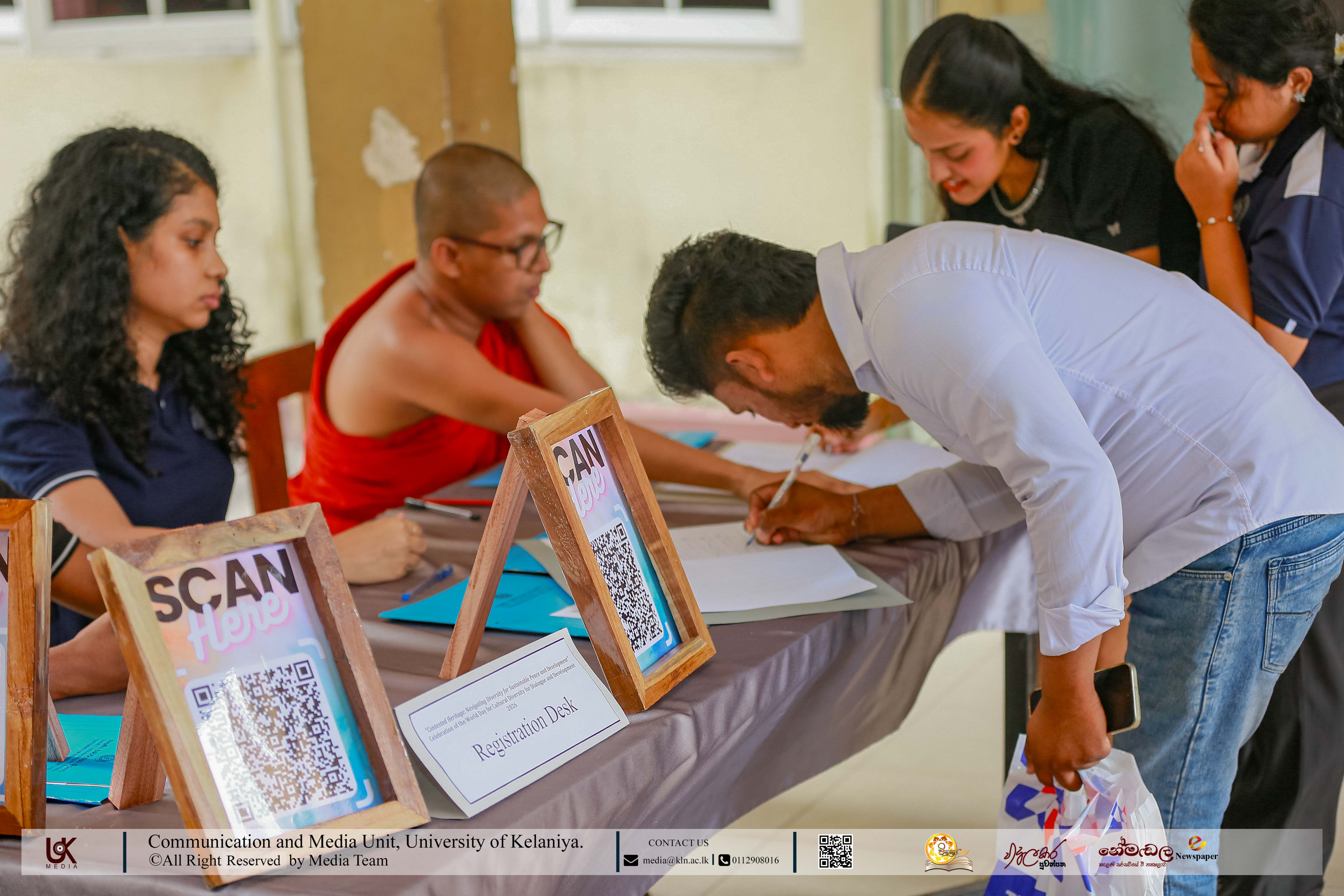
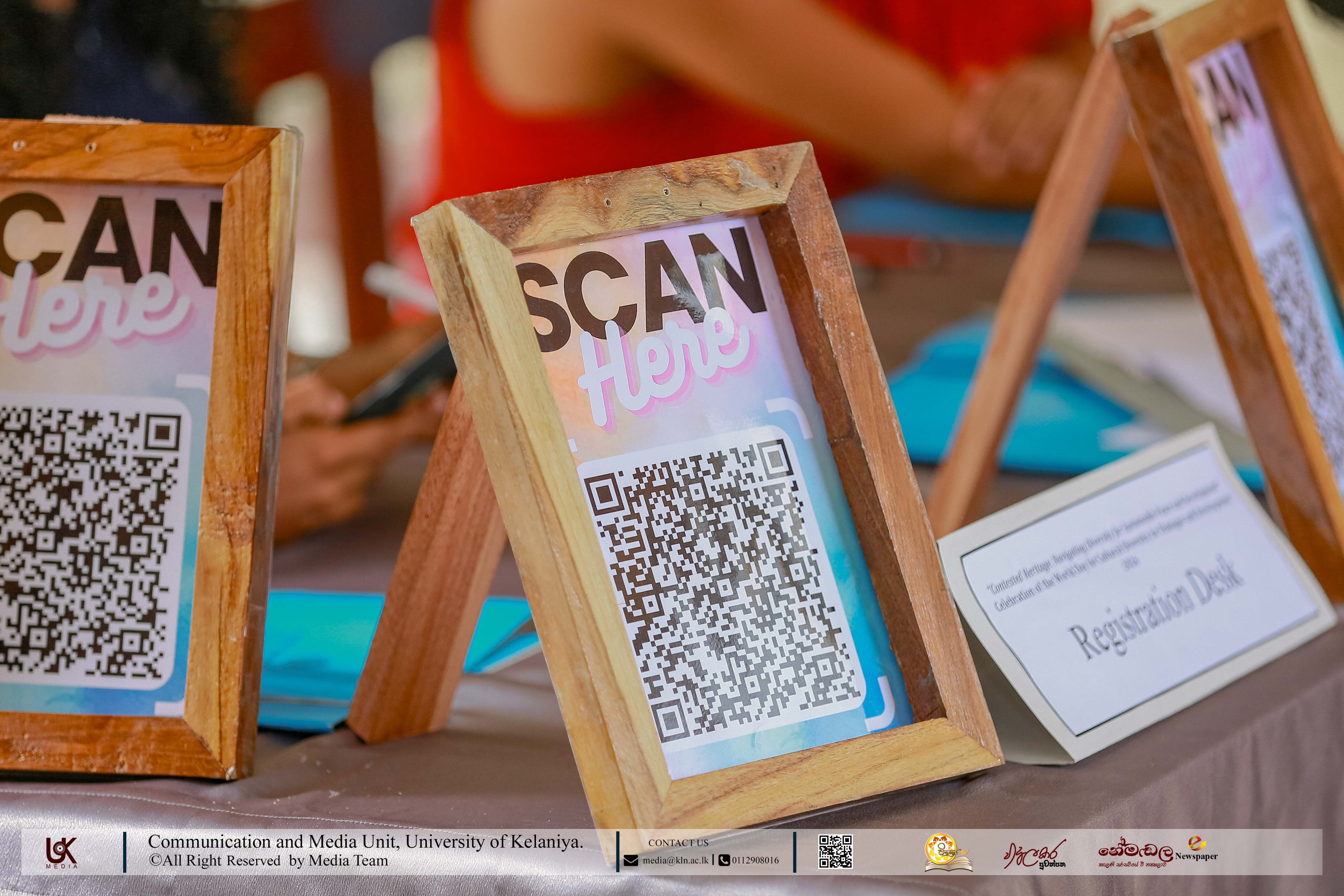
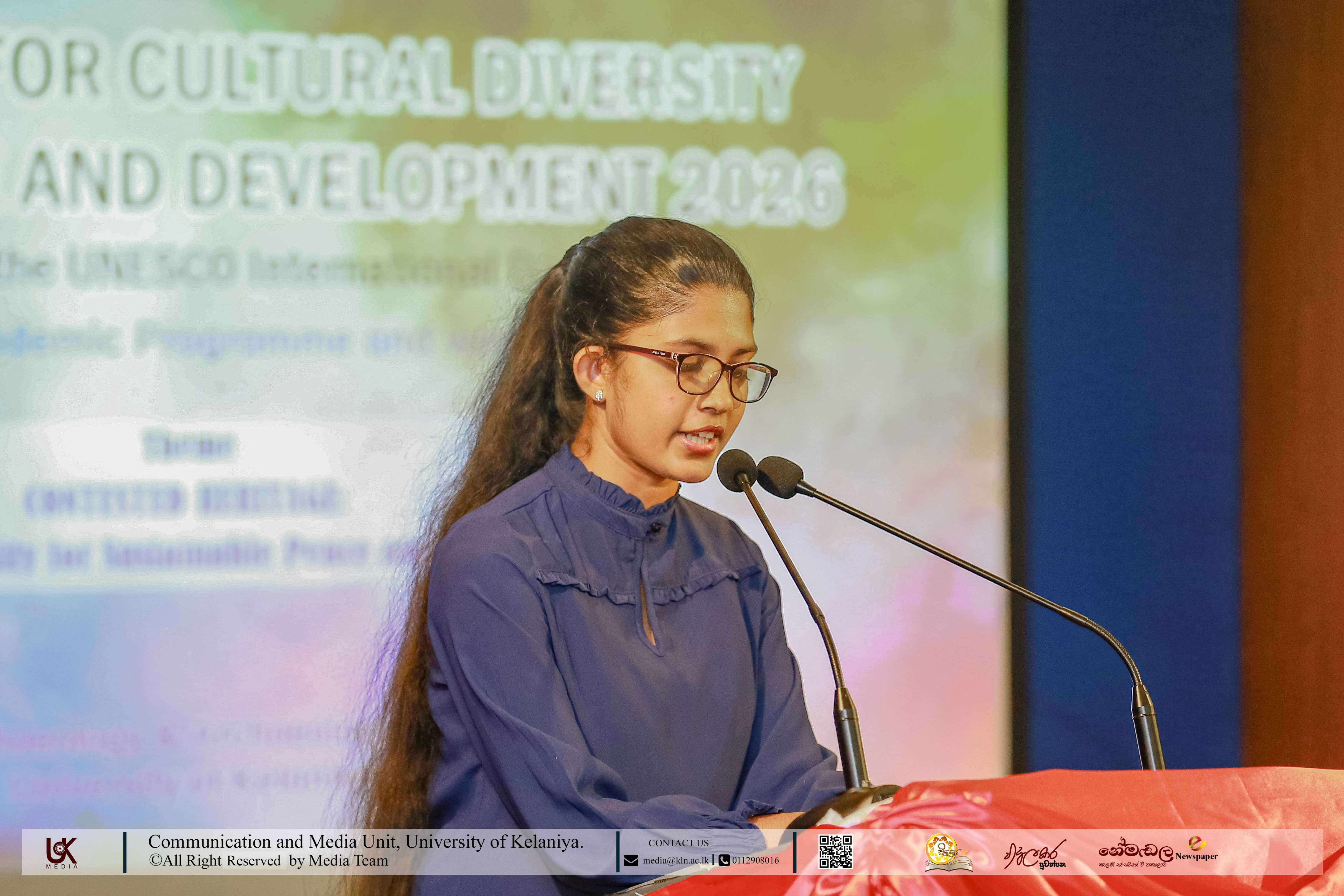
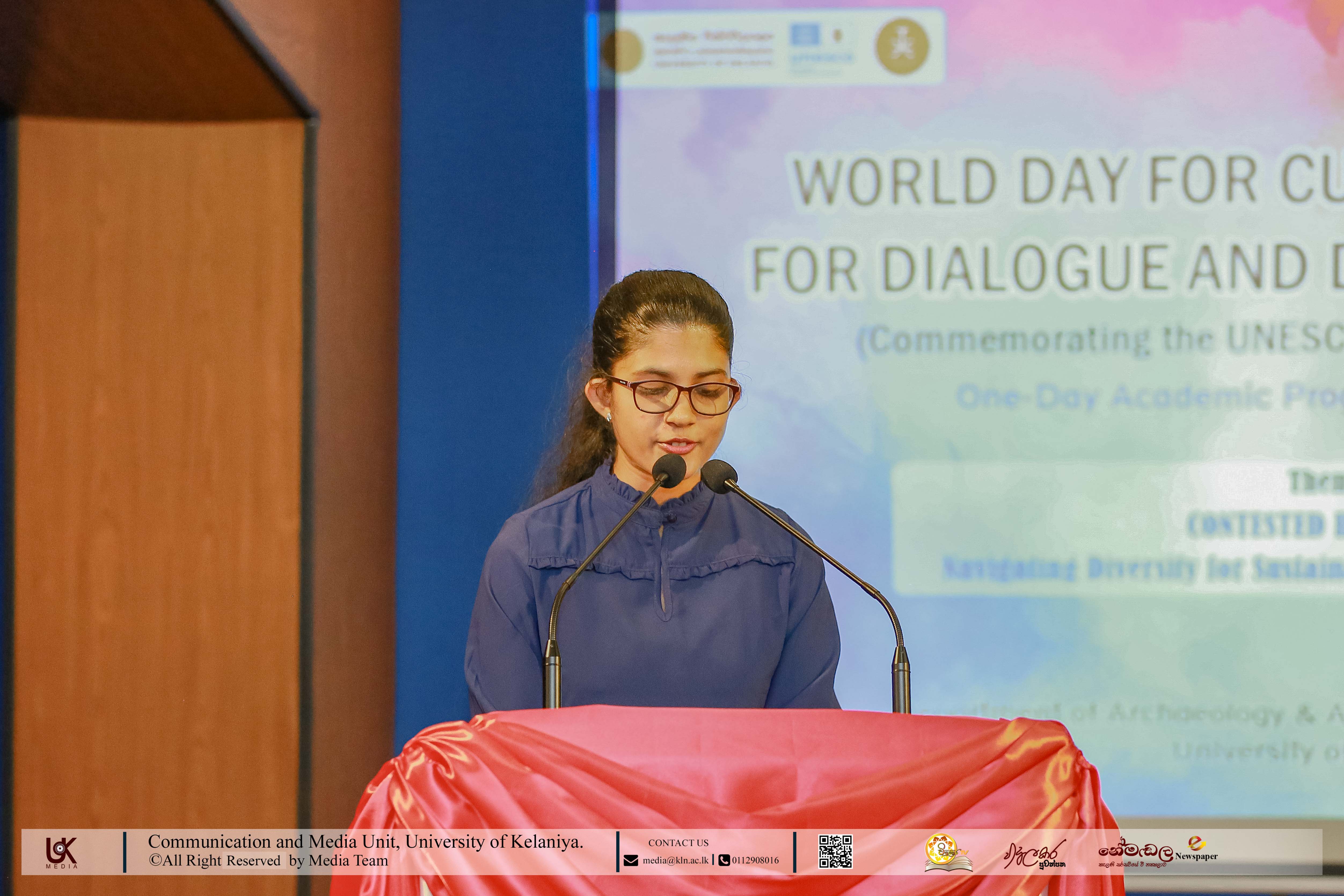
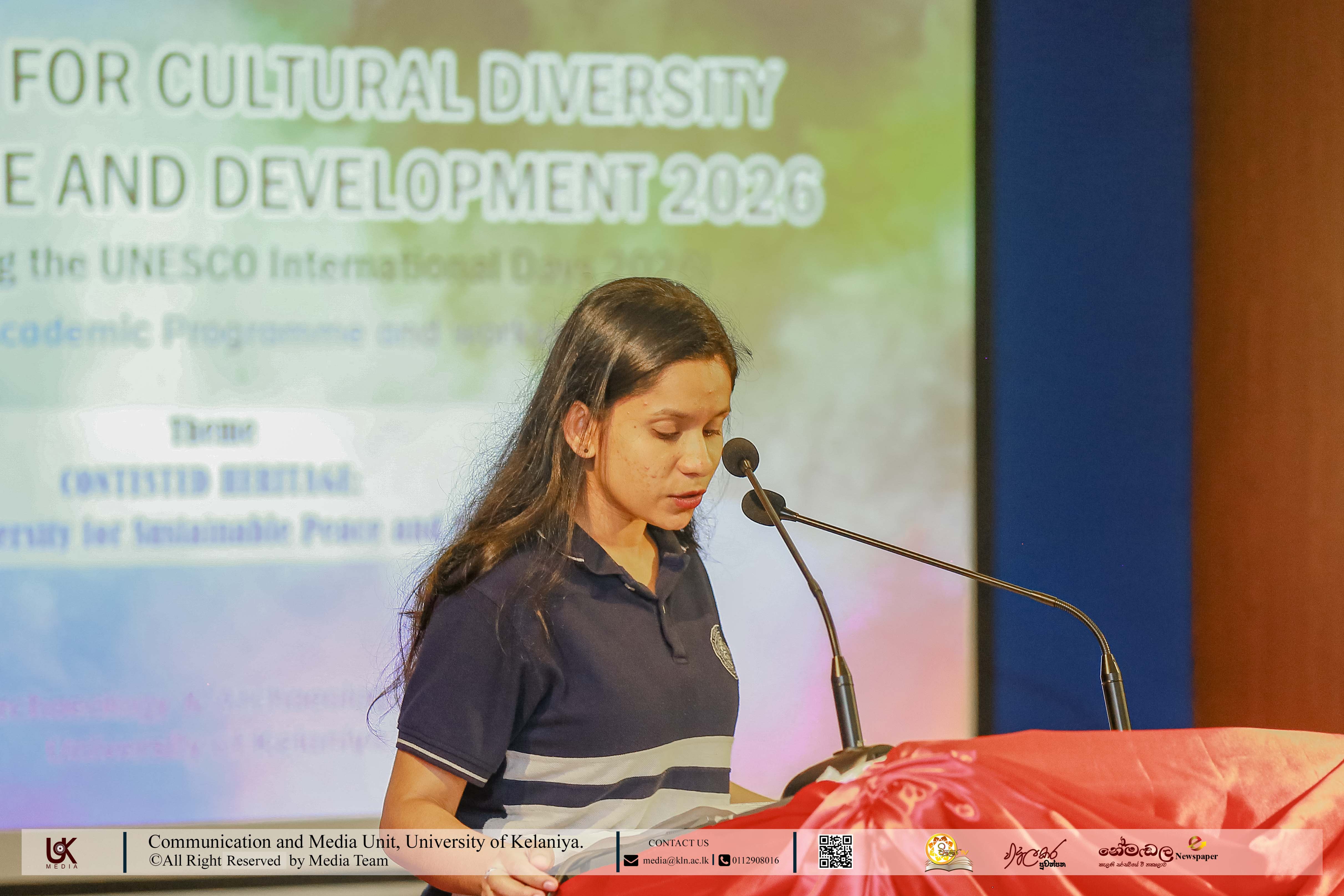
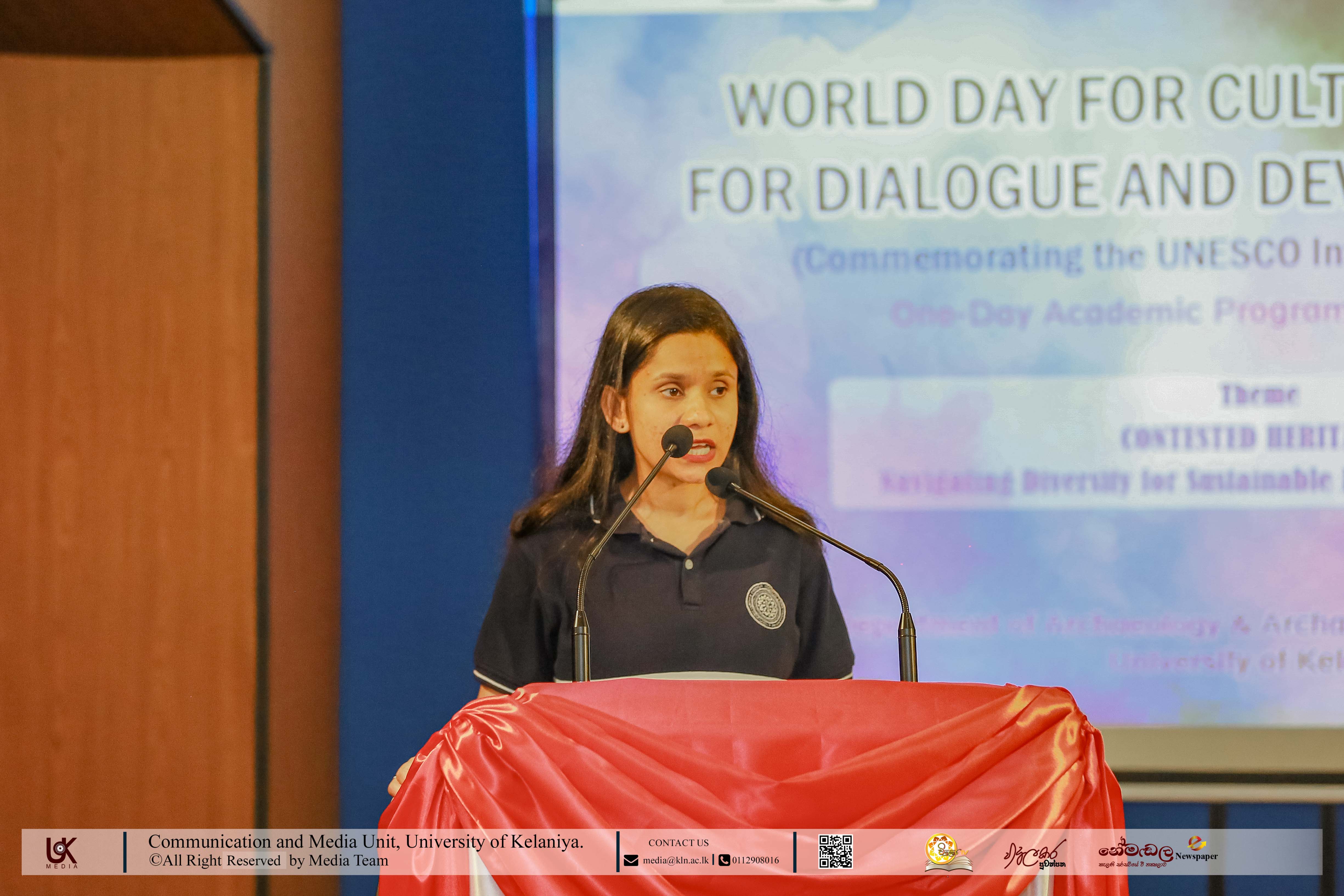
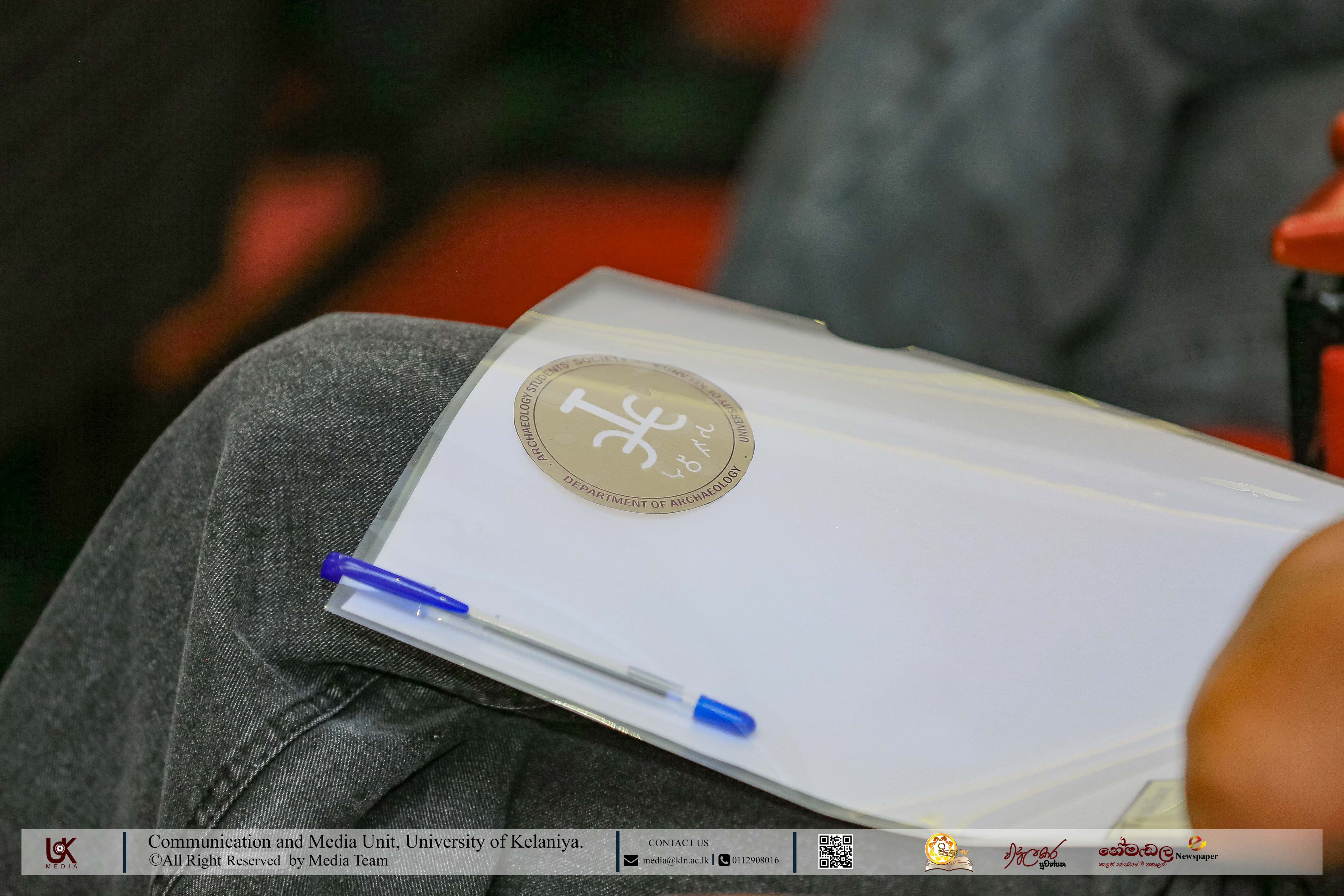
The Department of Archaeology and the Archaeology Students’ Society of the University of Kelaniya successfully organised the one-day academic programme and workshop titled “Contested Heritage: Navigating Diversity for Sustainable Peace and Development” on 21 May 2026 at the Faculty of Social Sciences Auditorium, University of Kelaniya, in celebration of the World Day for Cultural Diversity for Dialogue and Development 2026. The programme was conducted in collaboration with the Sri Lanka National Commission for UNESCO.
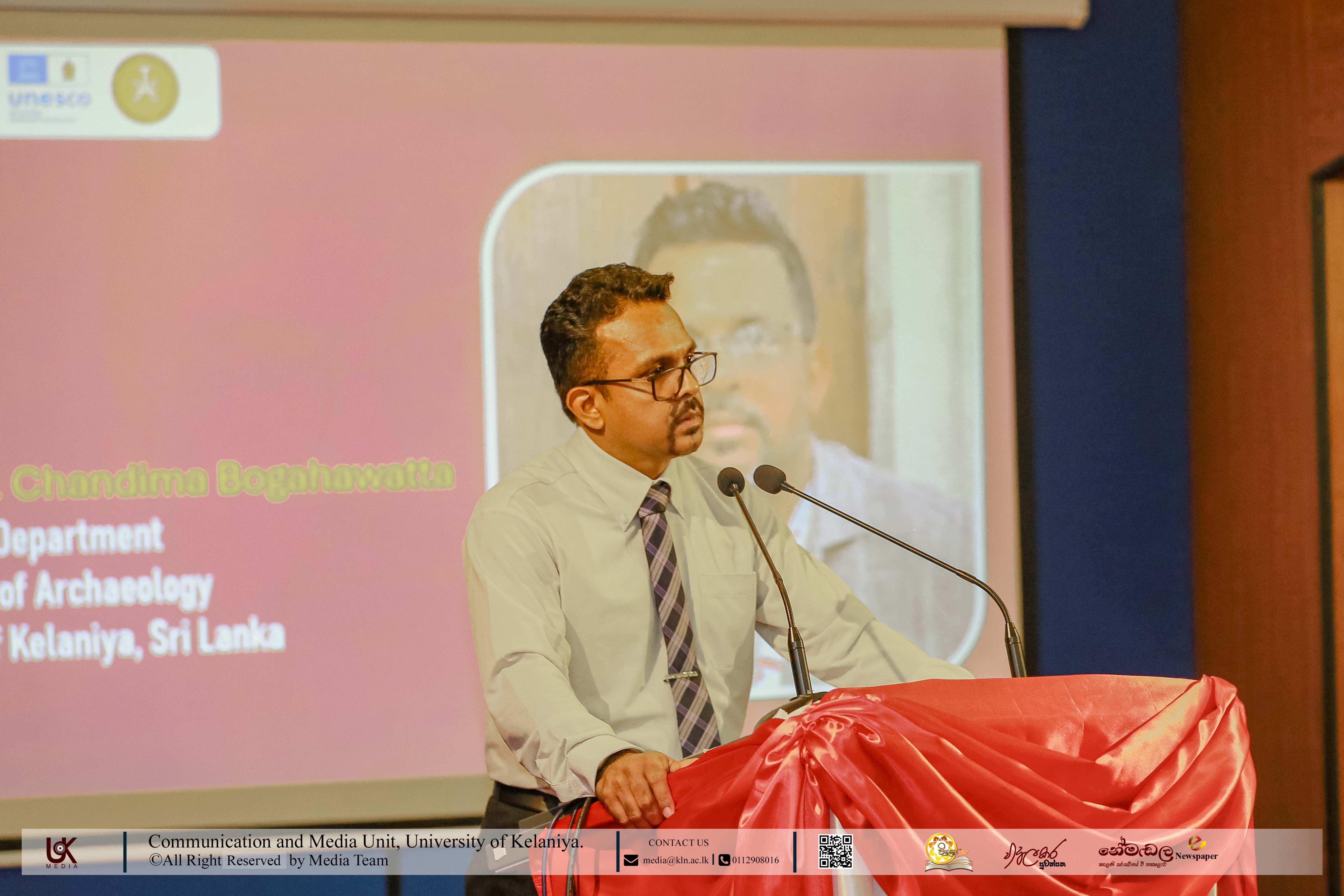
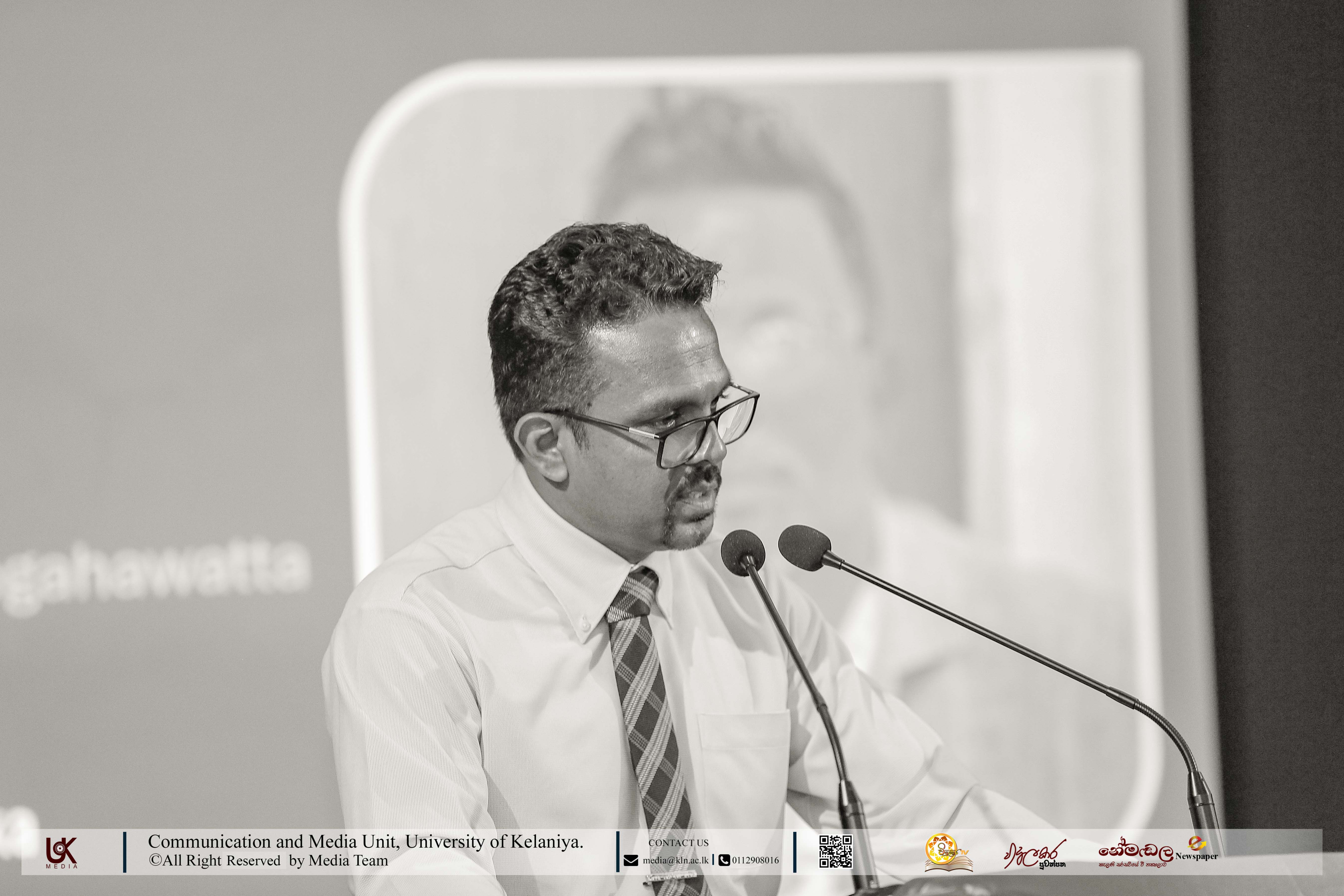
The event was organised under the guidance of Prof. Chandima Bogahawatta, Head of the Department of Archaeology, as part of the winning proposal submitted to the Sri Lanka National Commission for UNESCO under the UNESCO International Days Programme 2026. The programme aimed to create an academic platform for dialogue on contested heritage, cultural diversity, peacebuilding, and sustainable development while encouraging critical engagement among university students and academics from different disciplines and institutions. The programme was funded by the University of Kelaniya and the Sri Lanka National Commission for UNESCO.
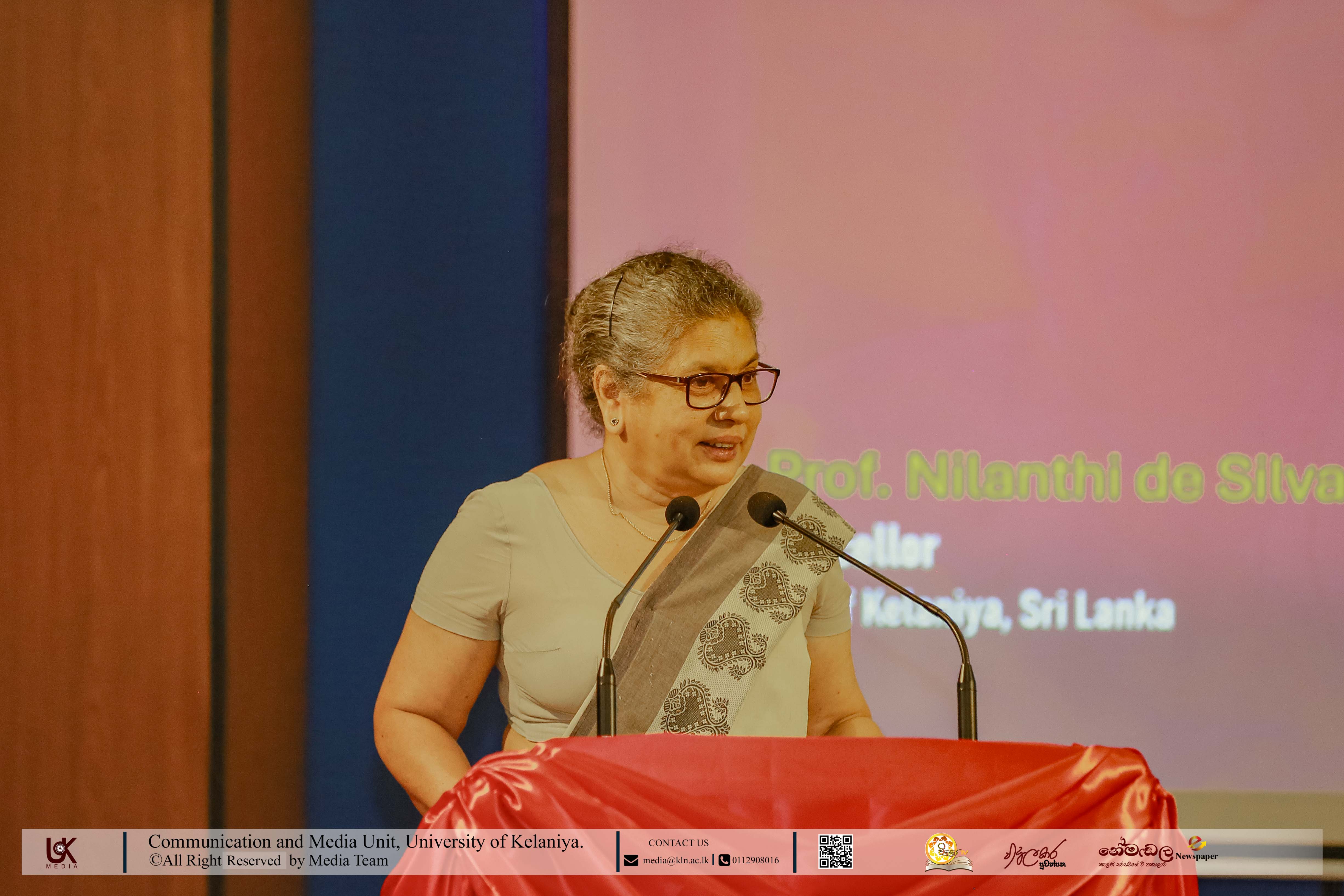
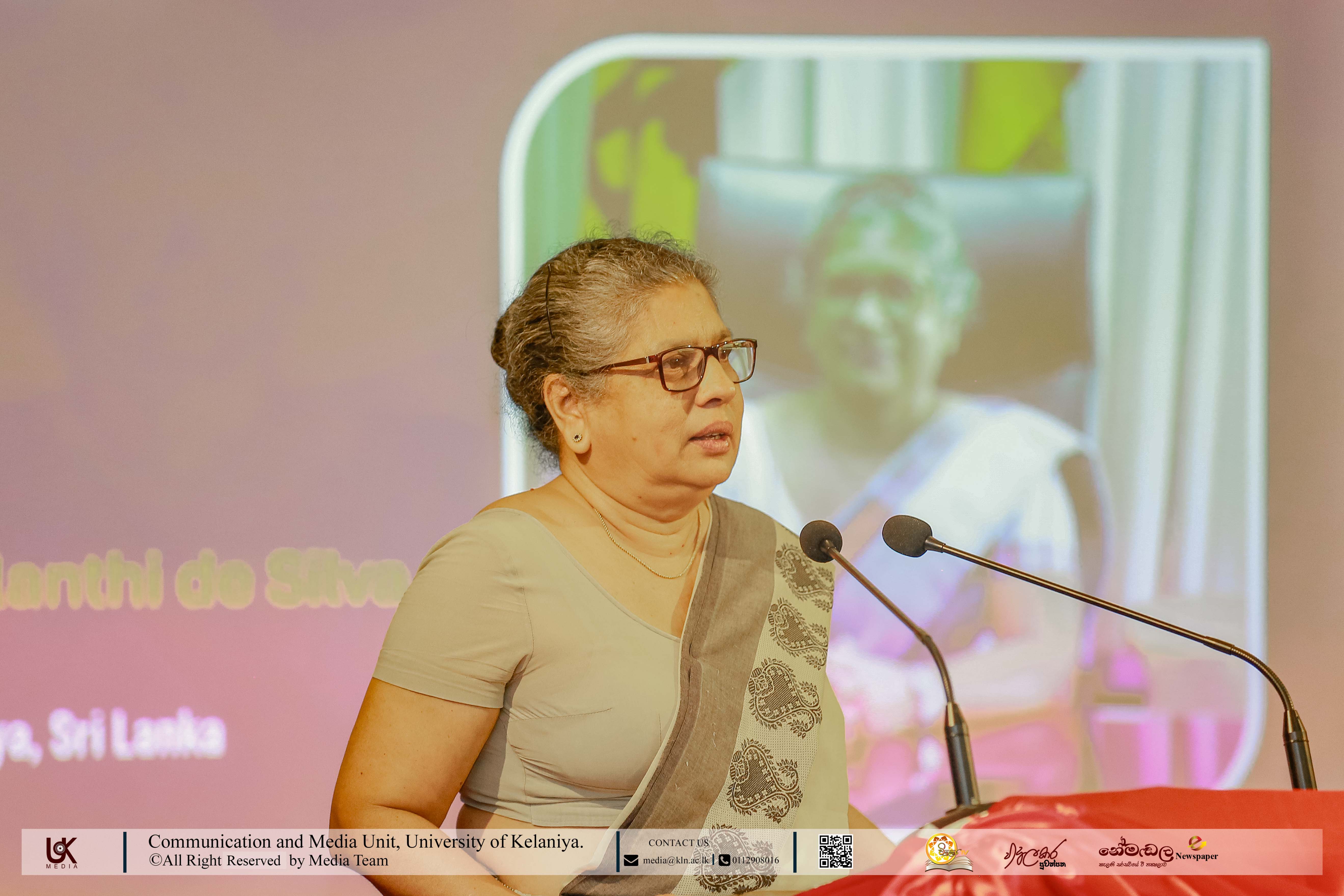
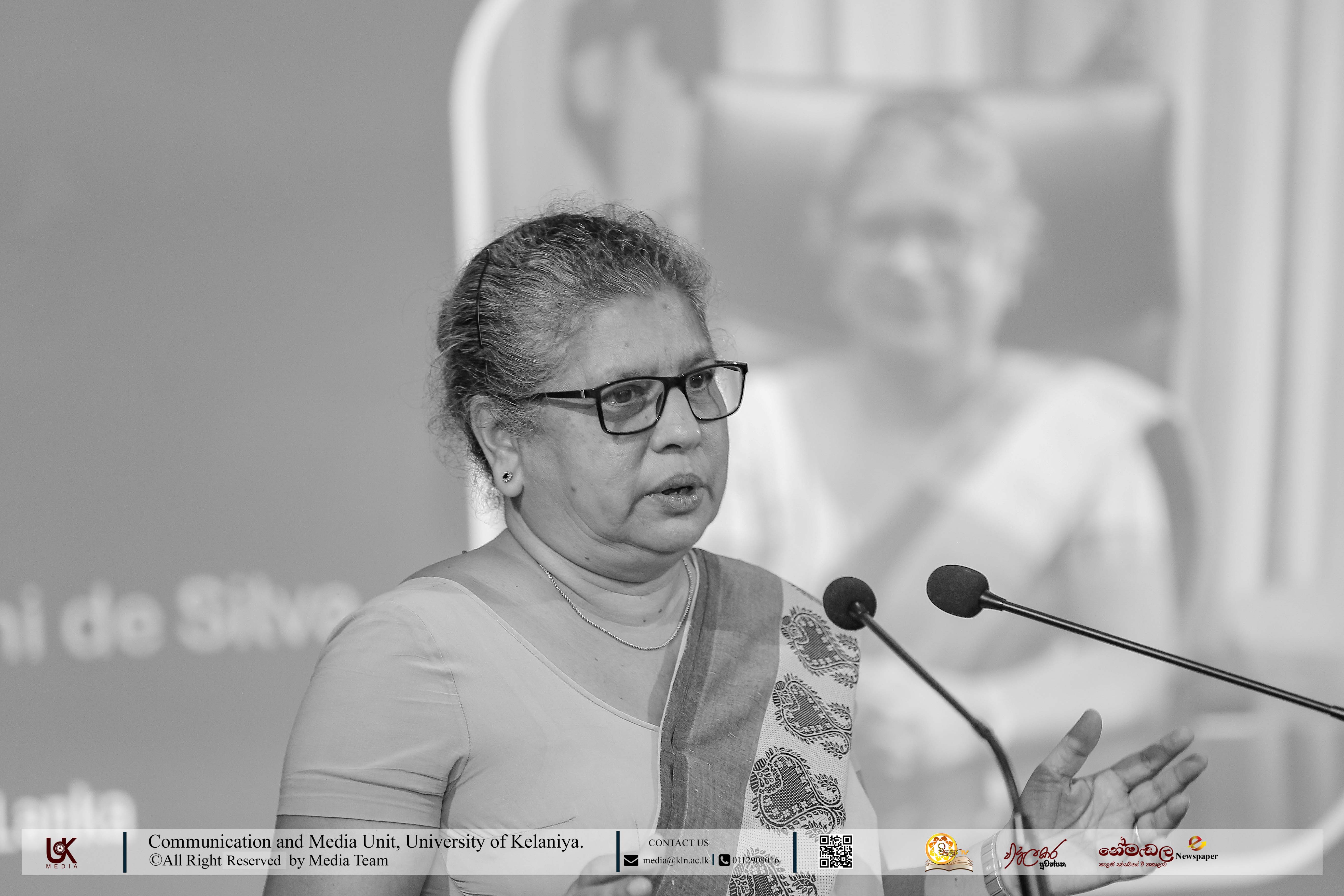
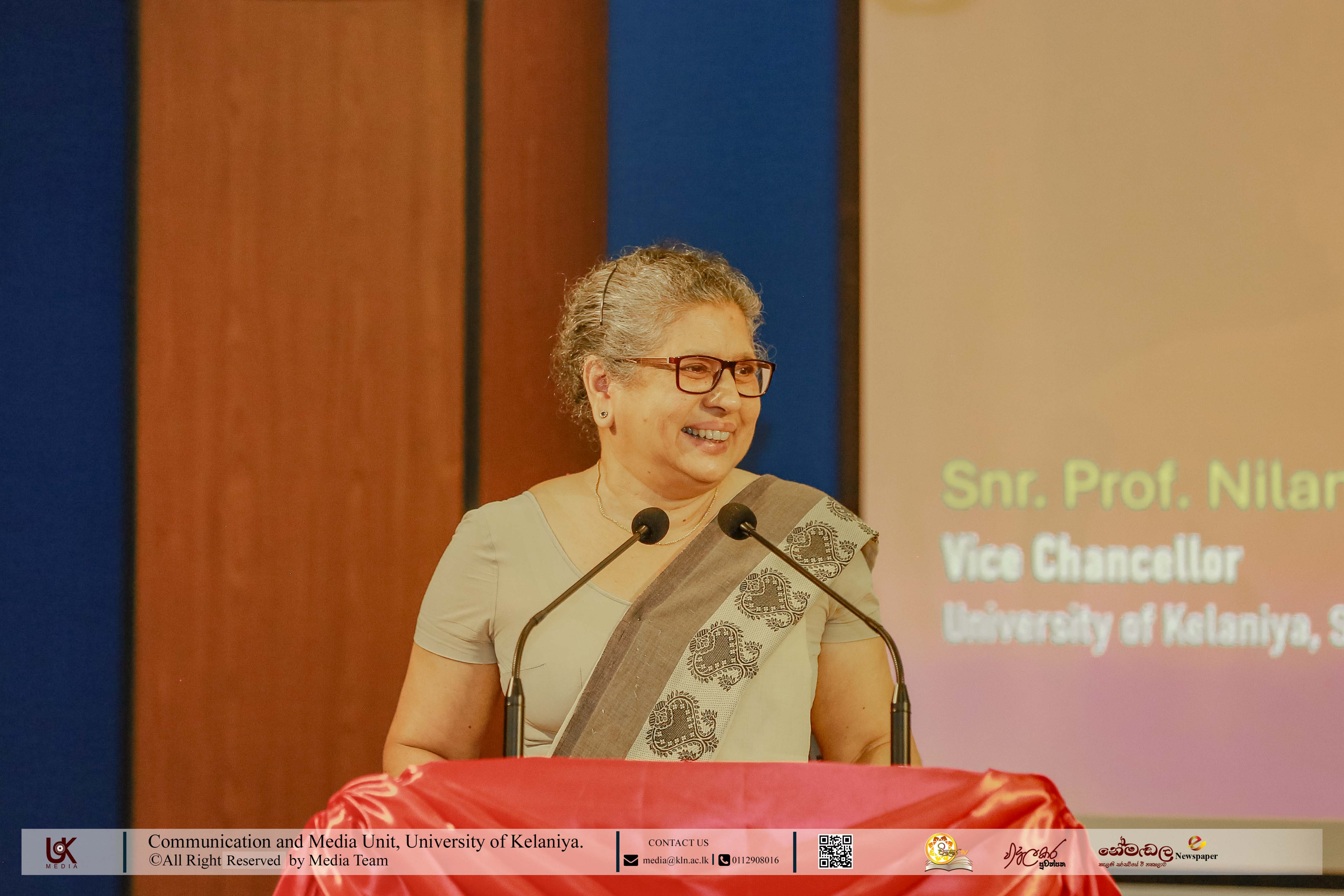
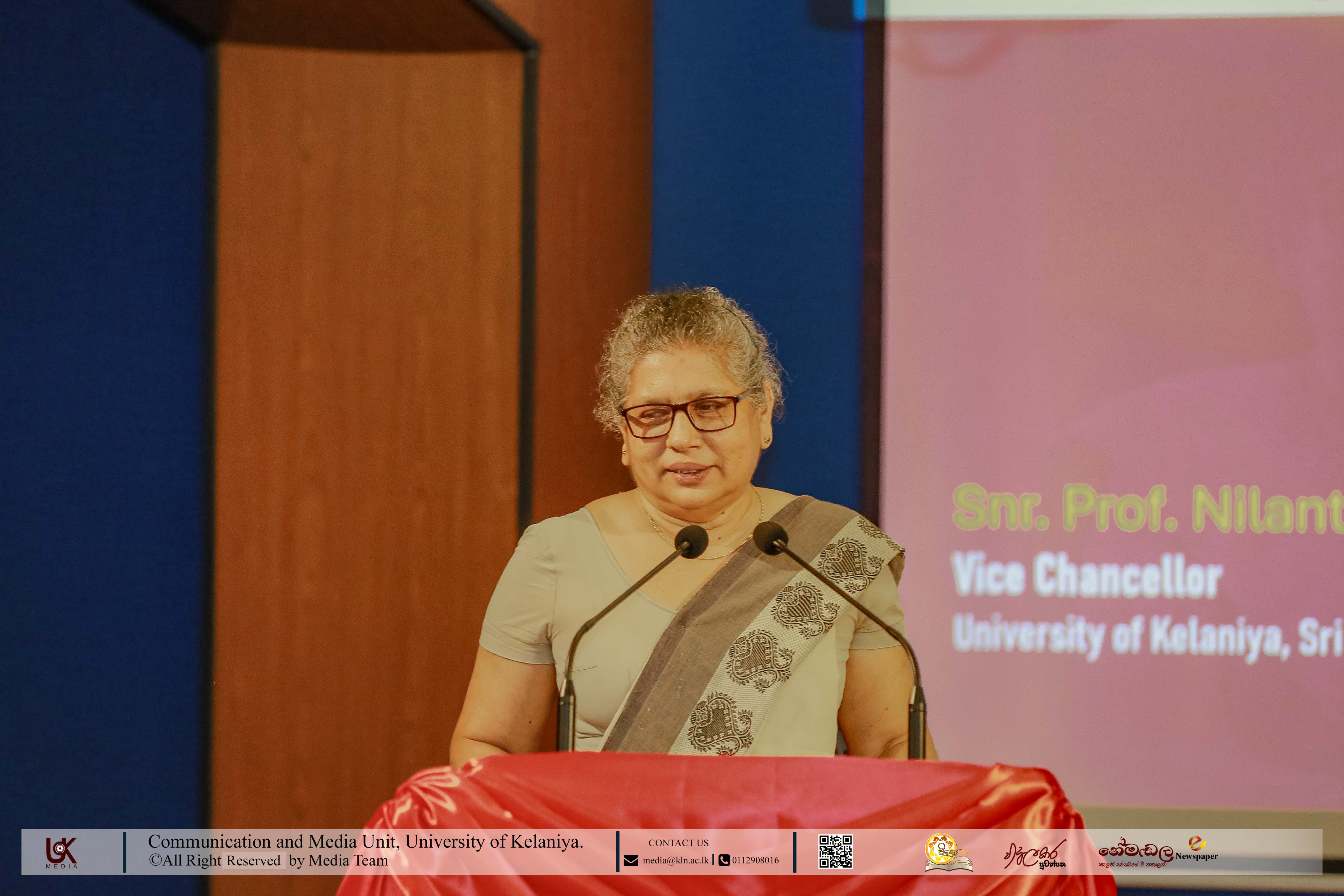
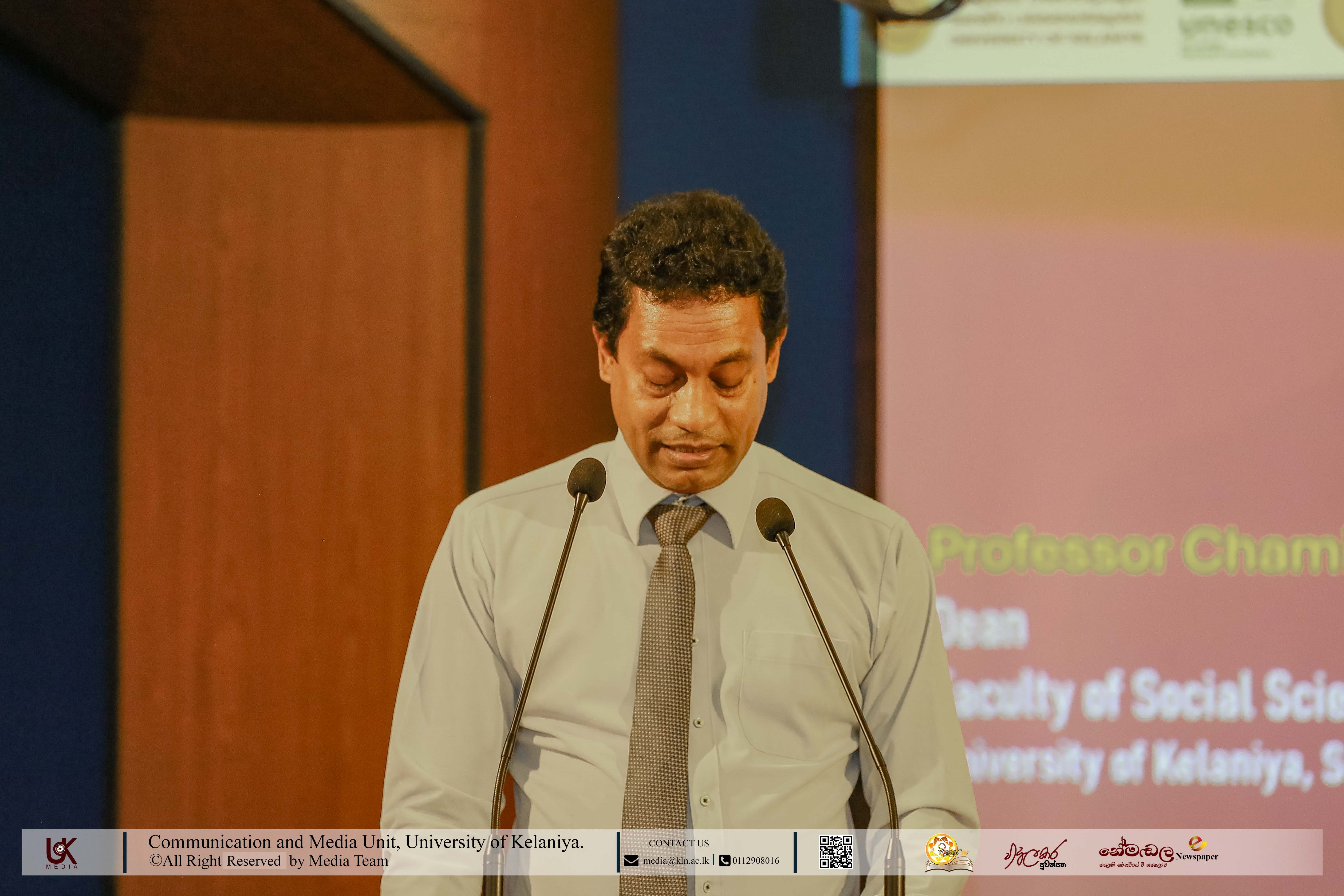
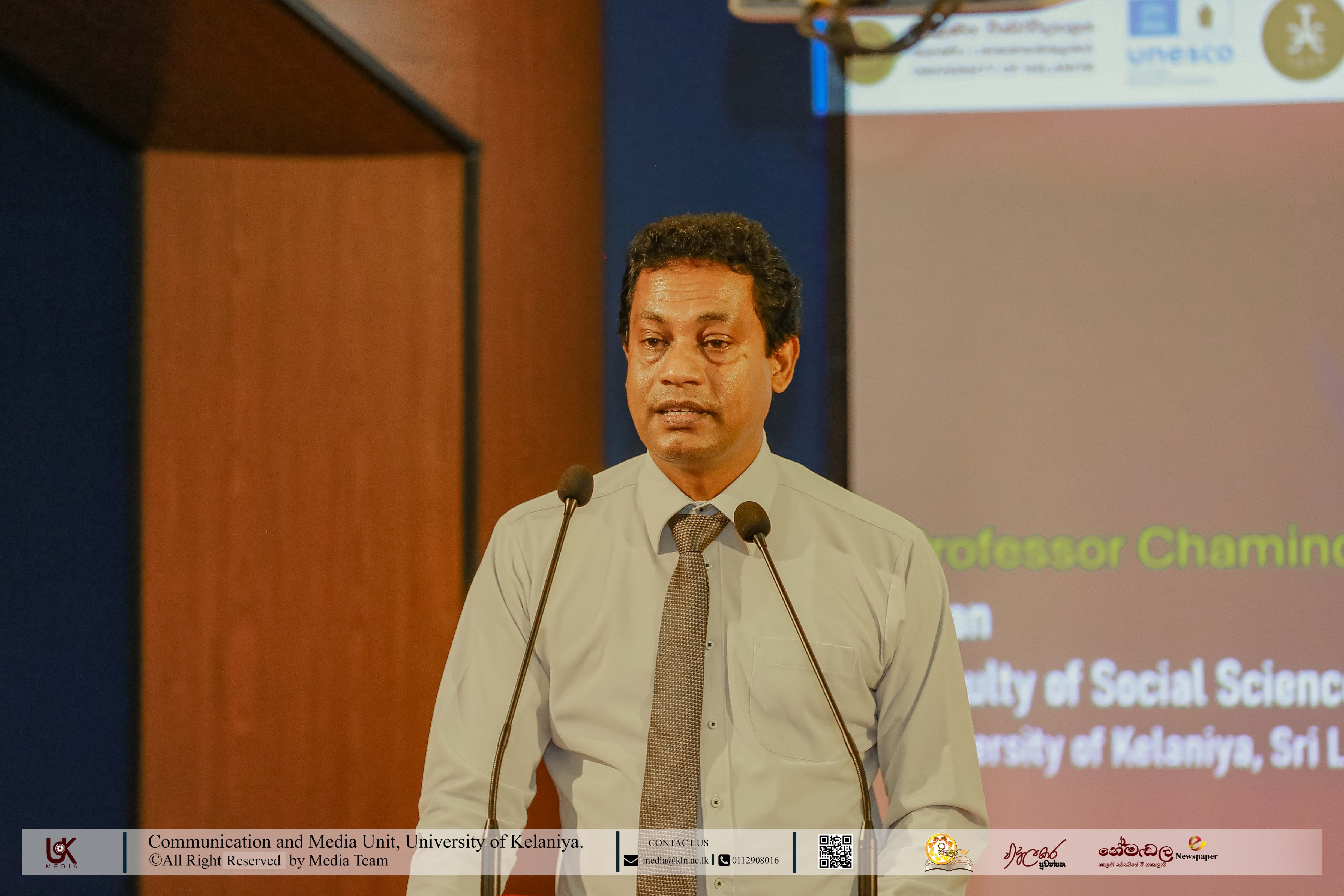
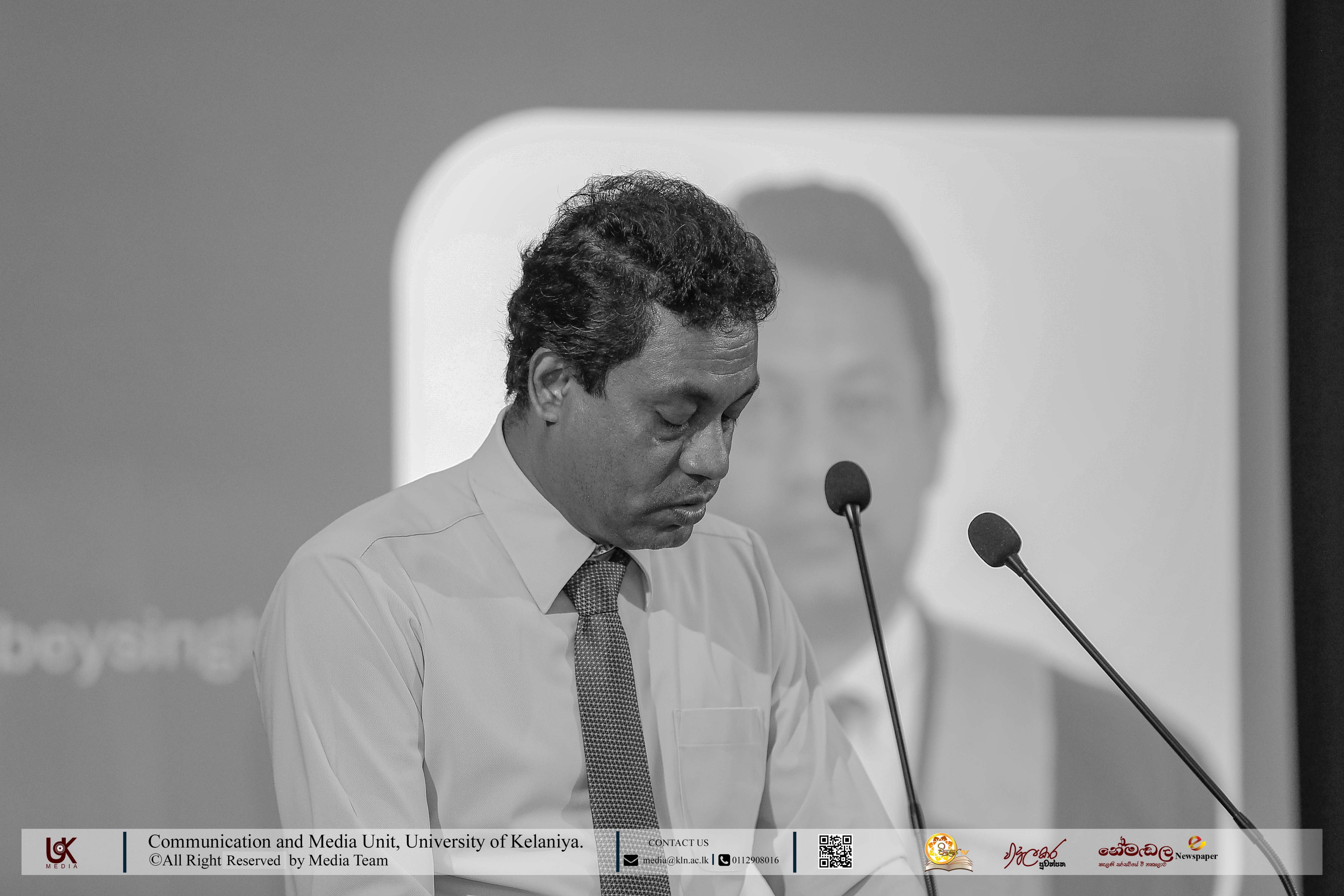
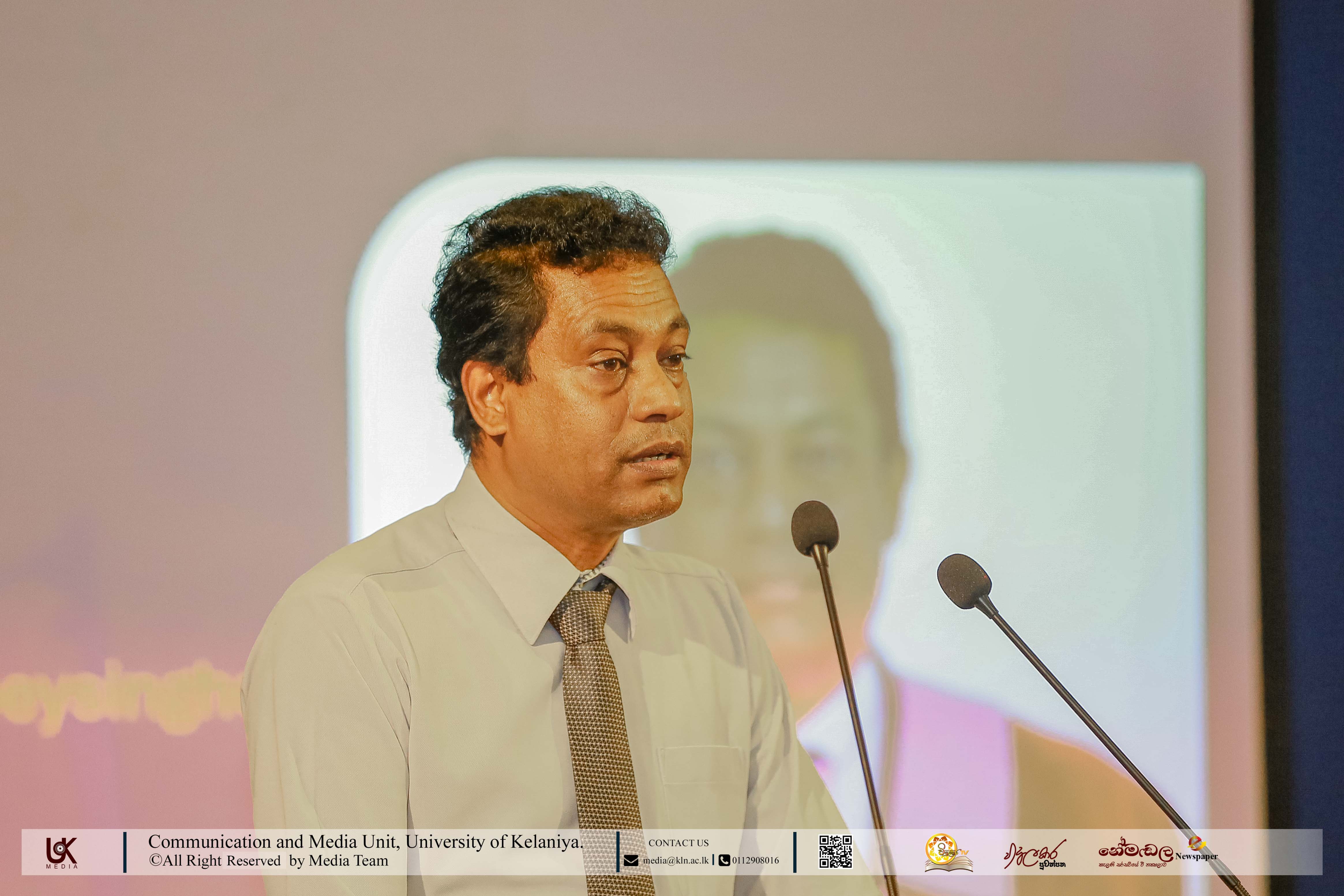
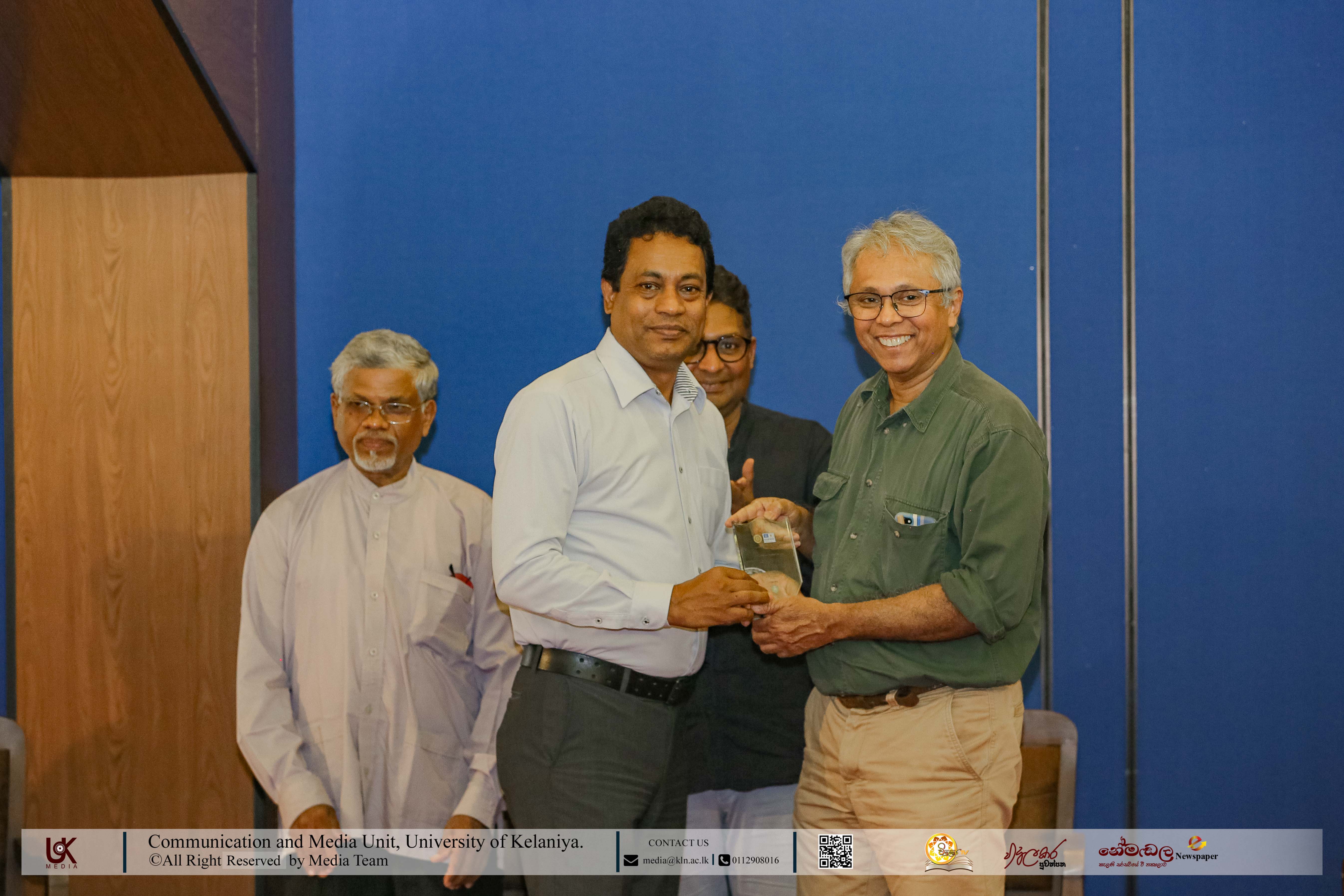
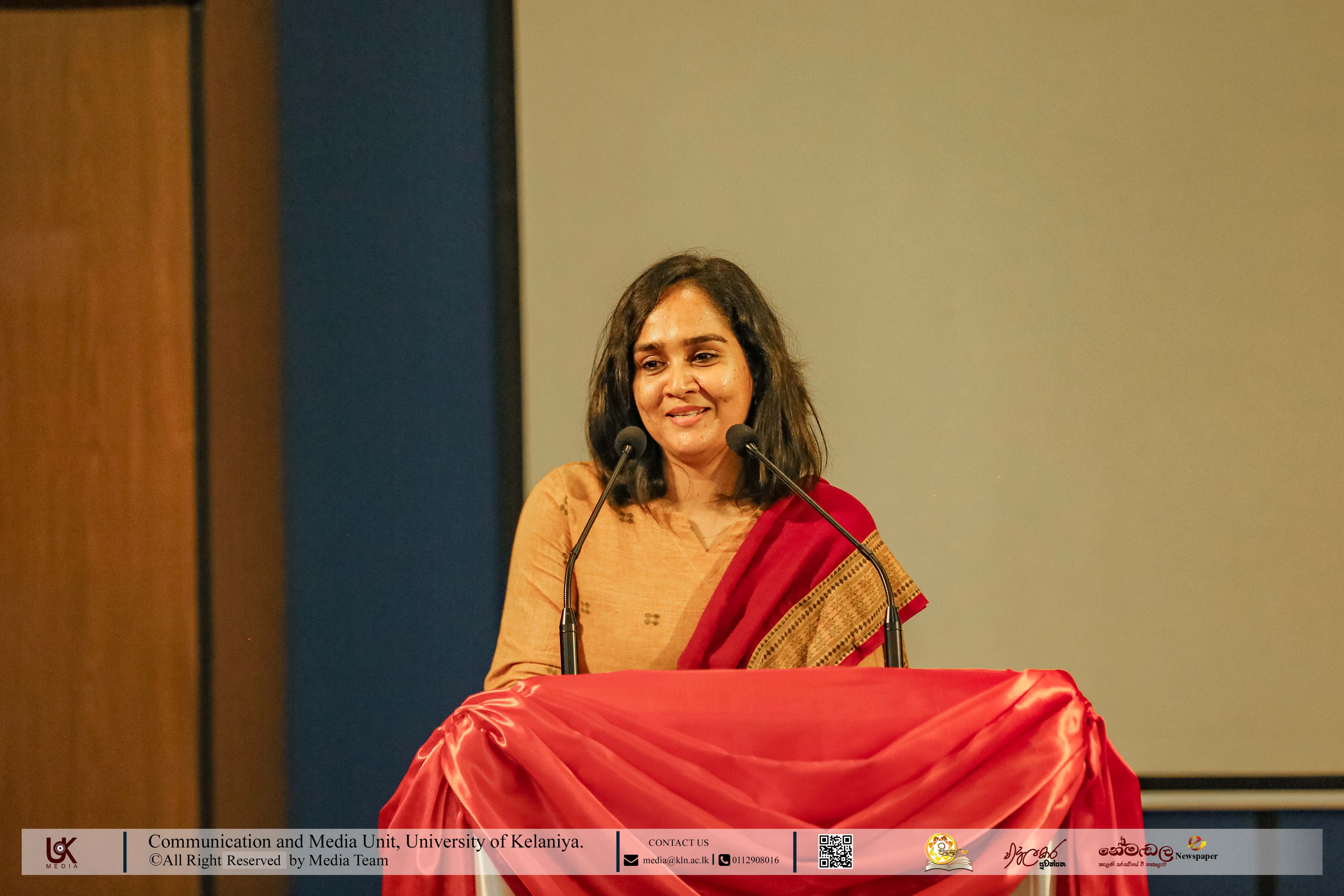
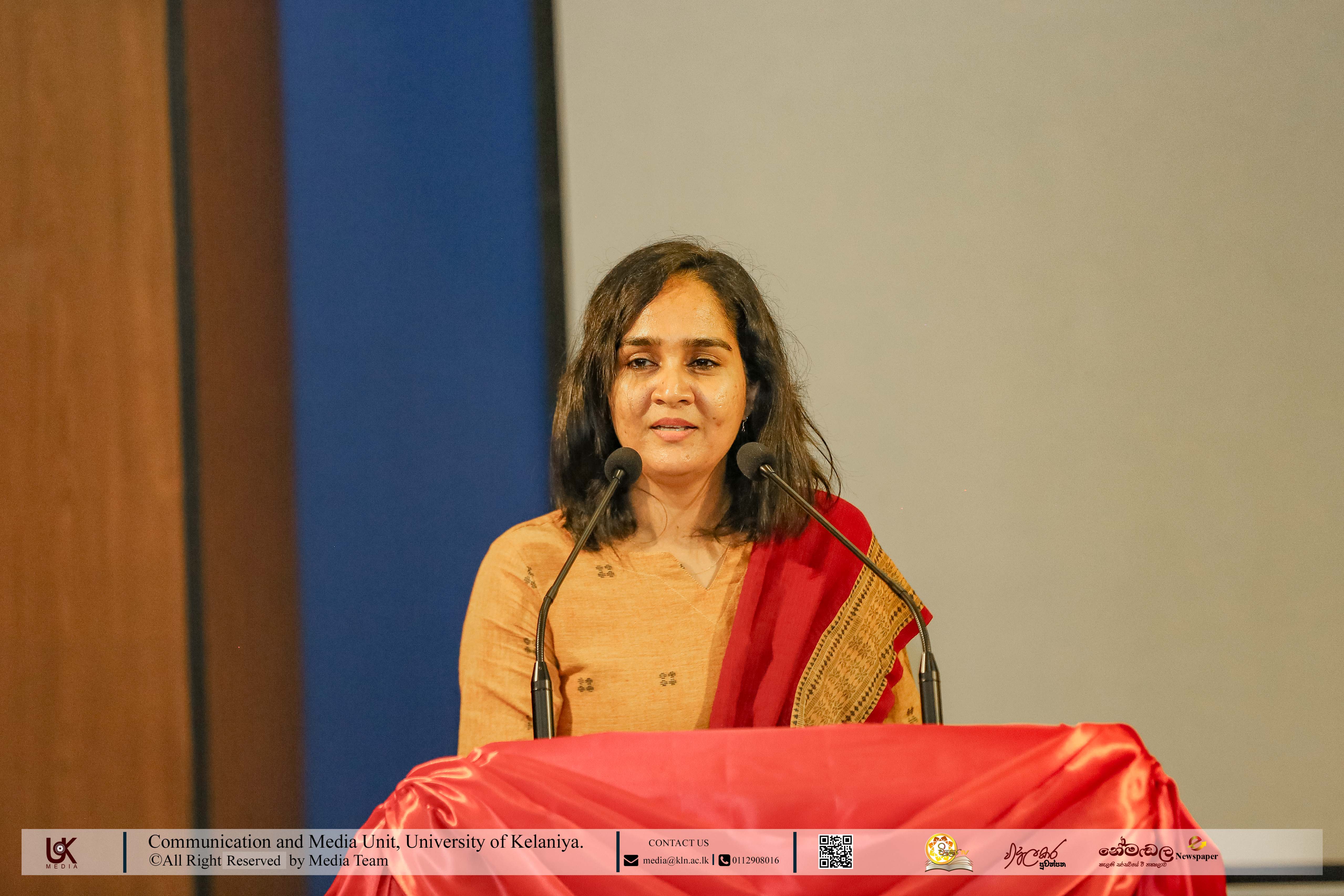
The programme was graced by Senior Professor Nilanthi de Silva, Vice-Chancellor of the University of Kelaniya, as the chief guest, while Prof. Chaminda Abeysinghe, Dean of the Faculty of Social Sciences, attended as the special guest.
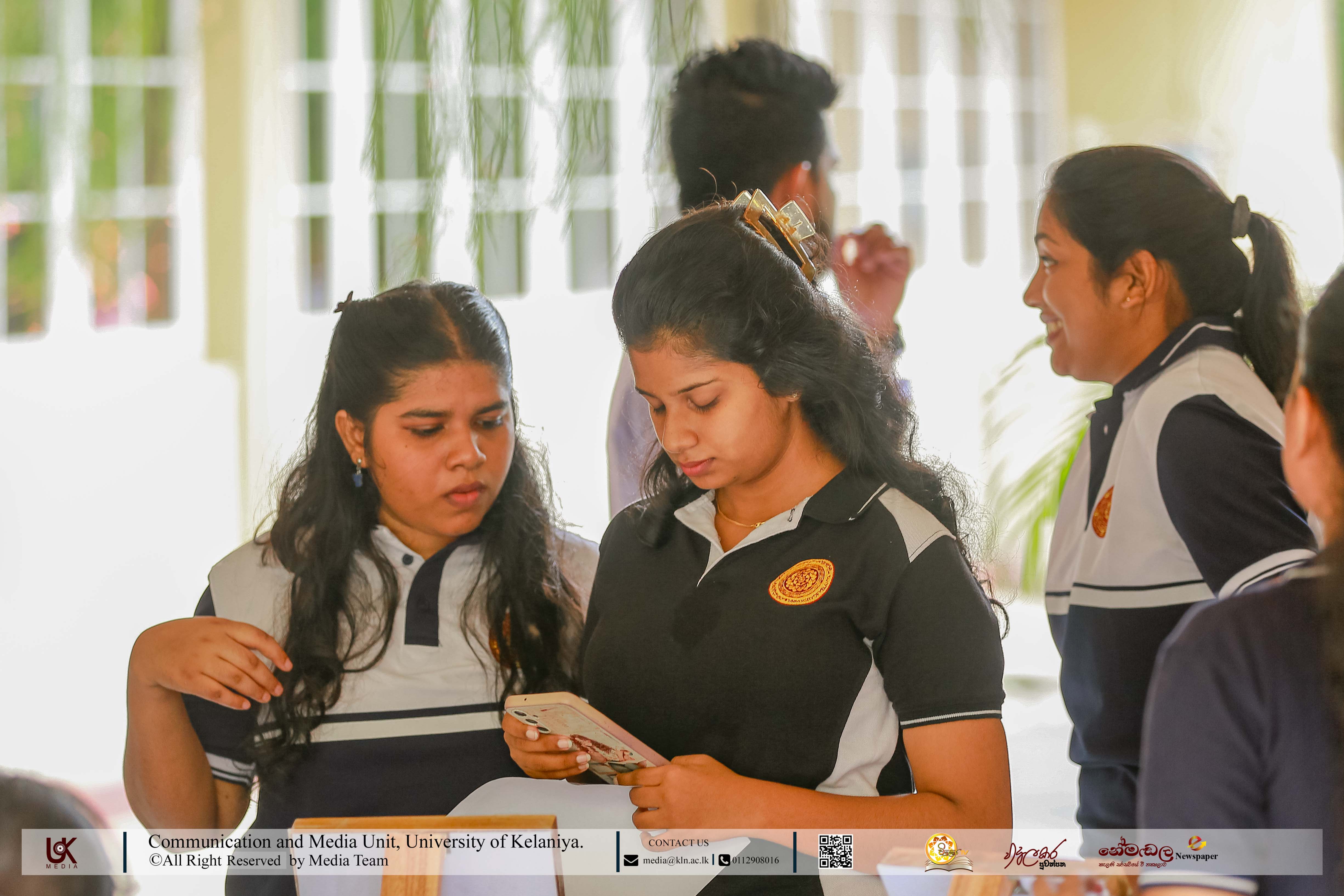
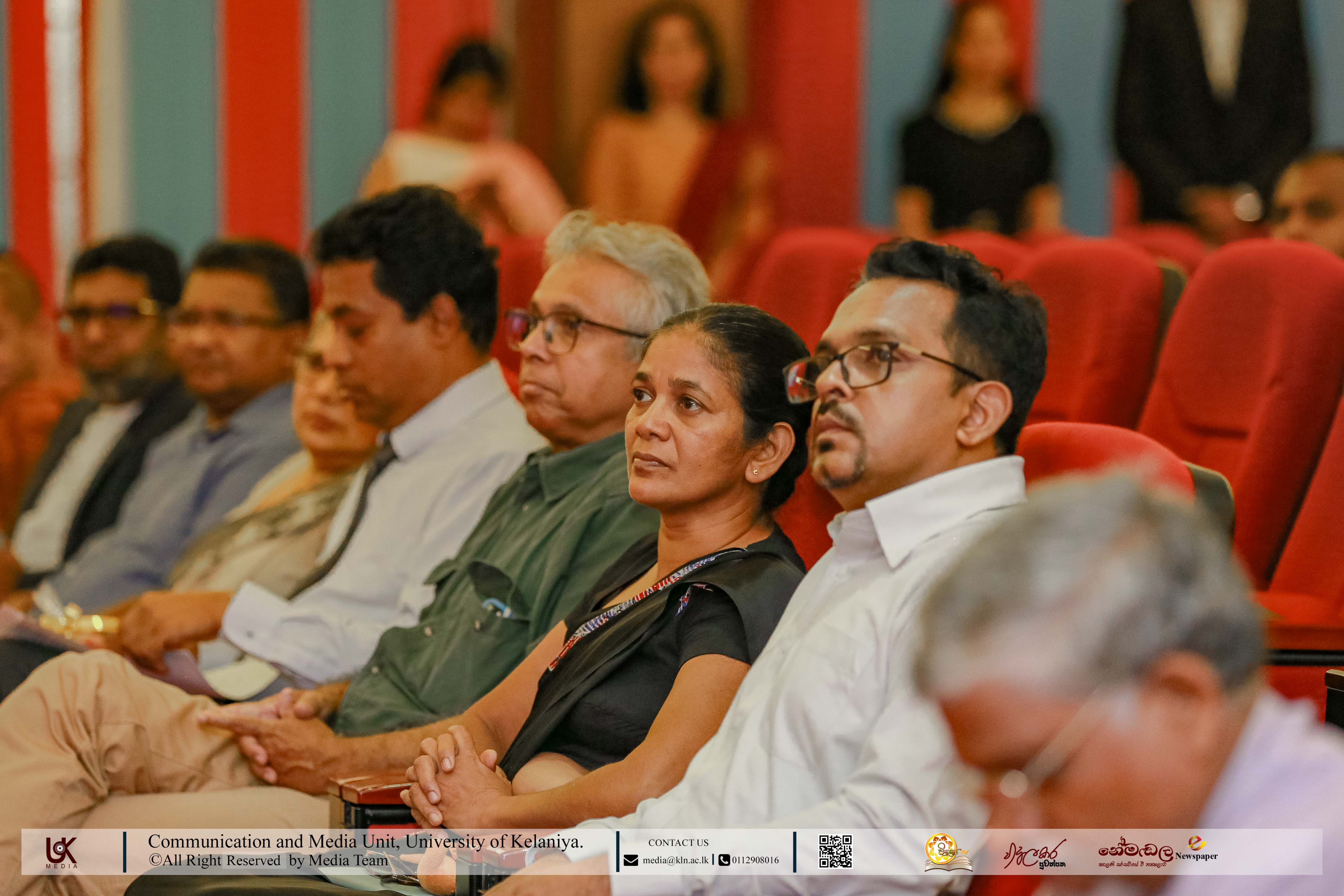
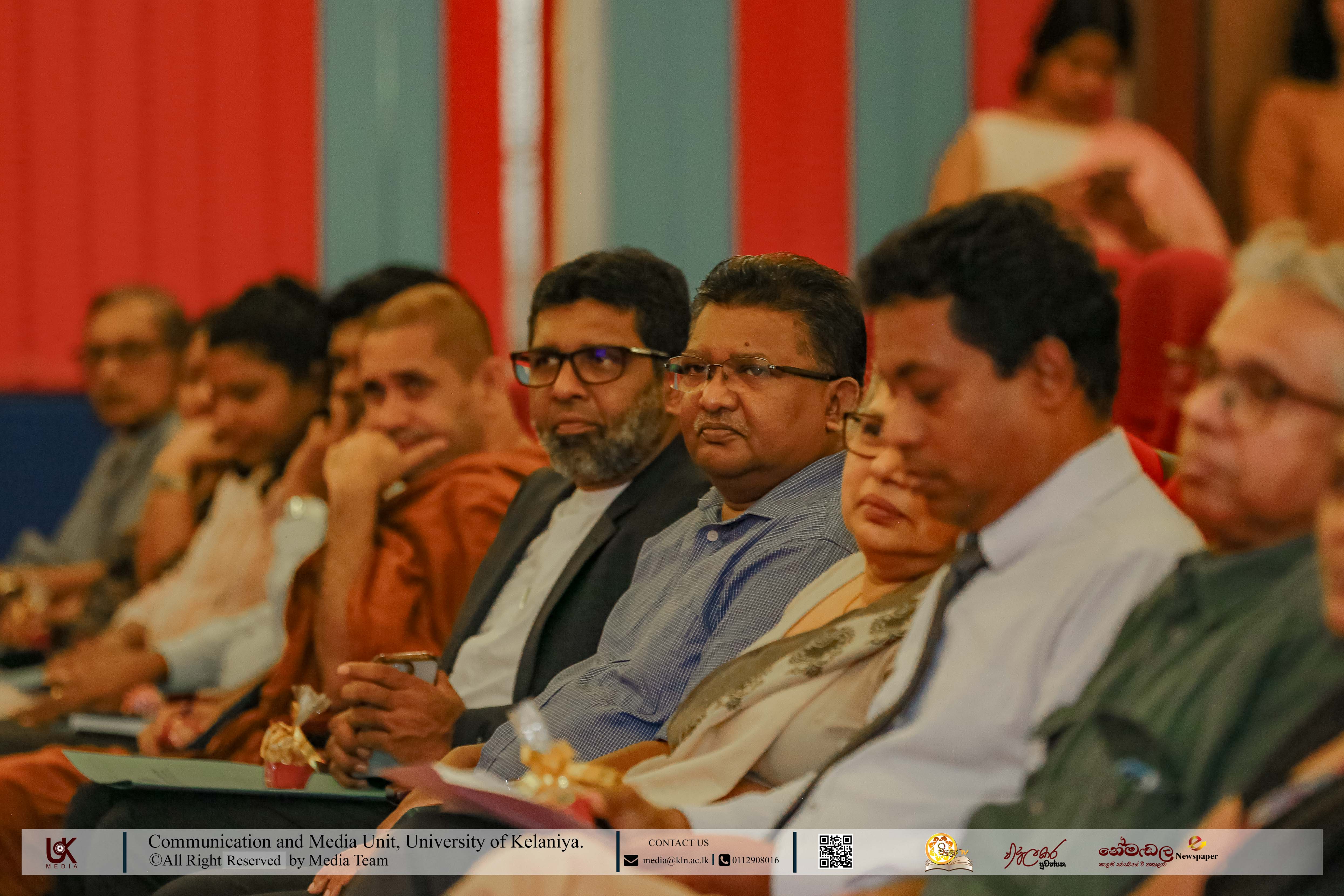
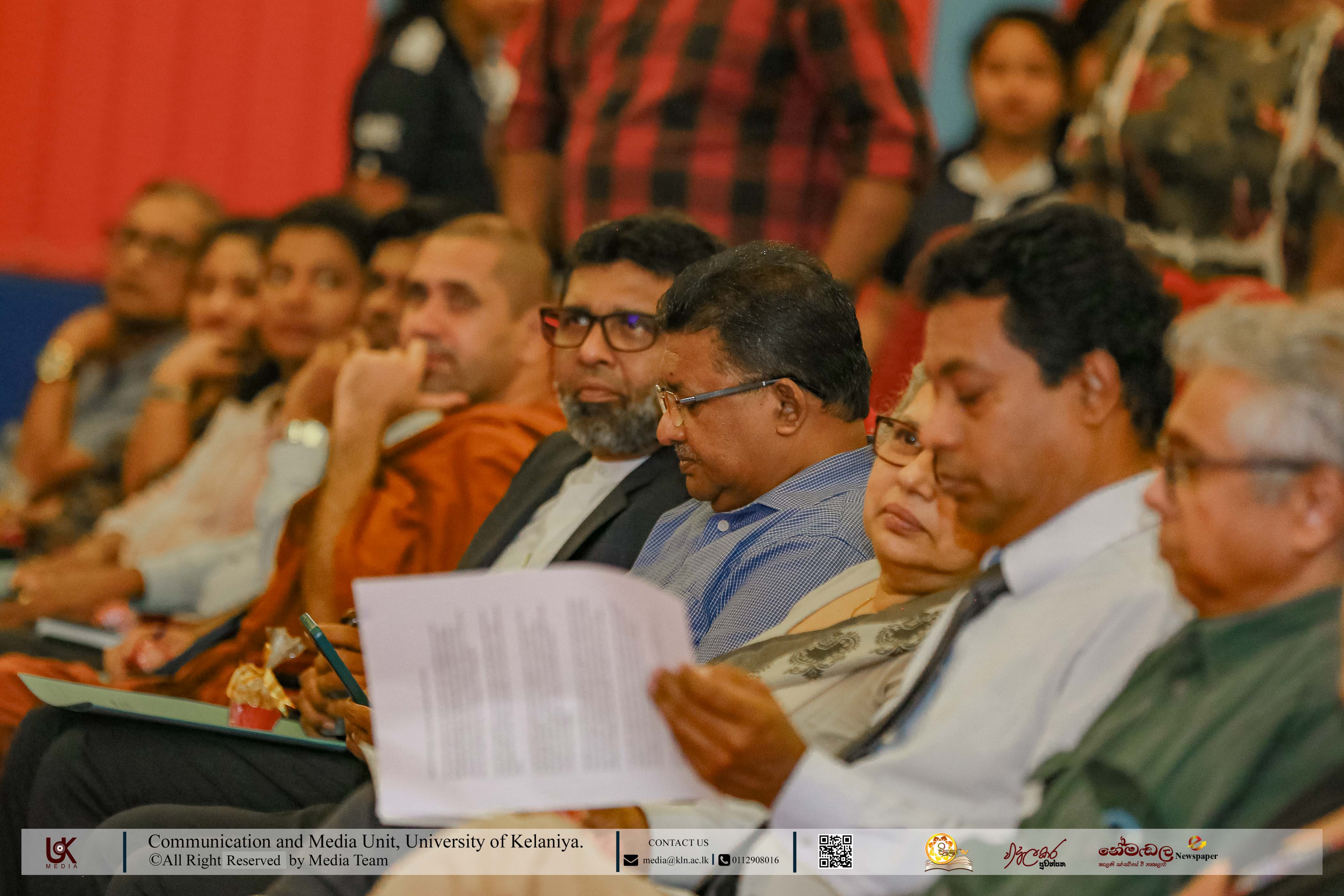
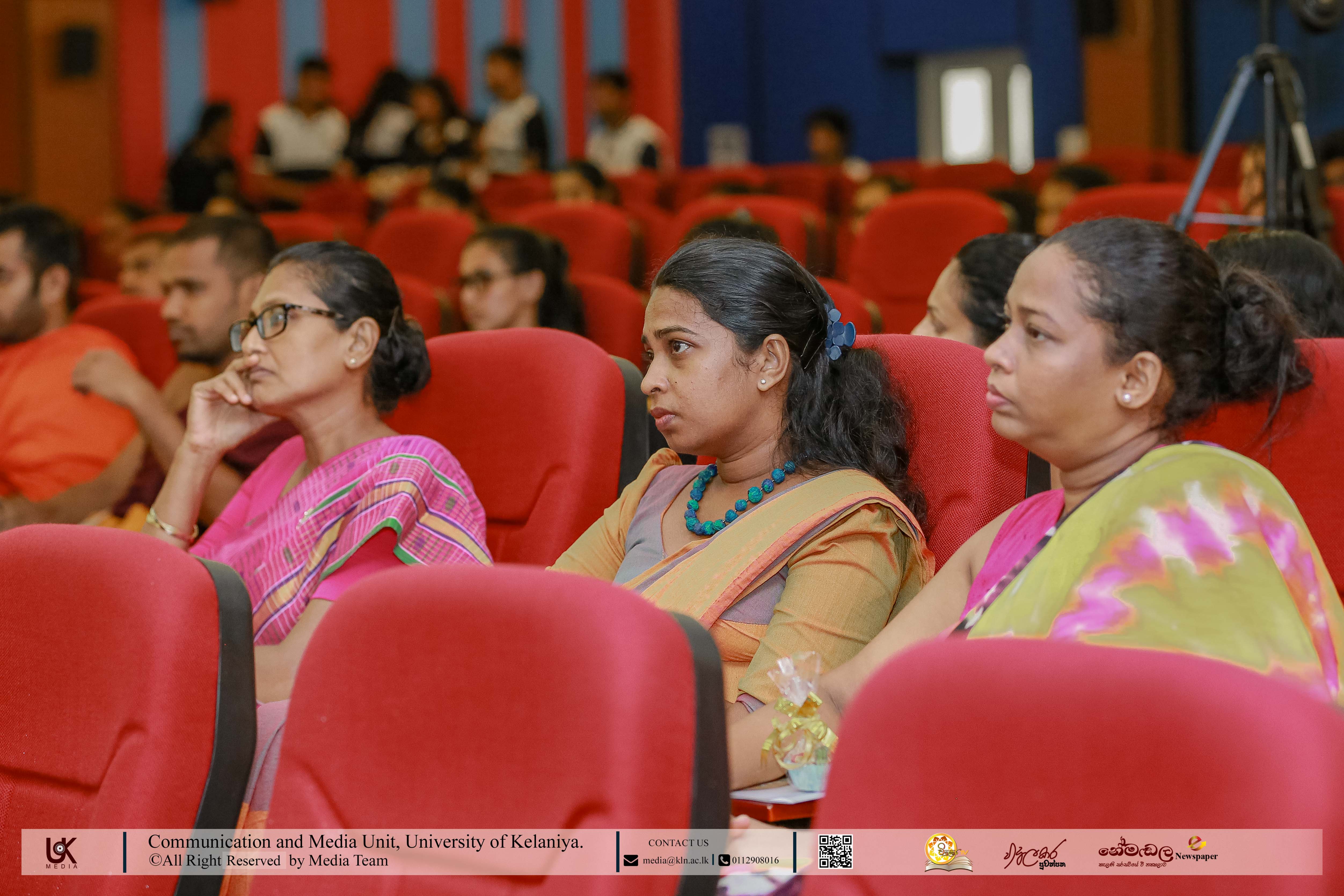
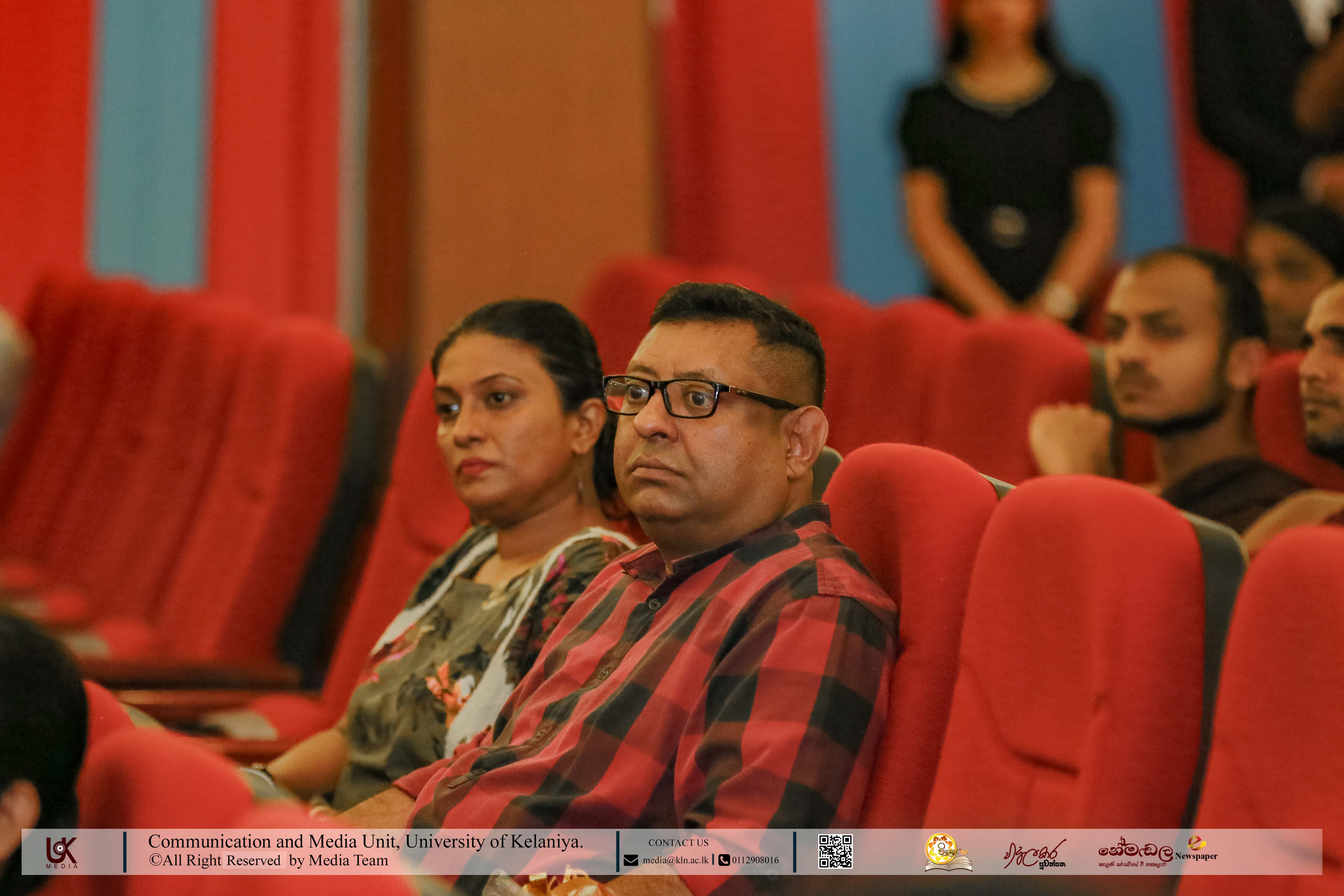
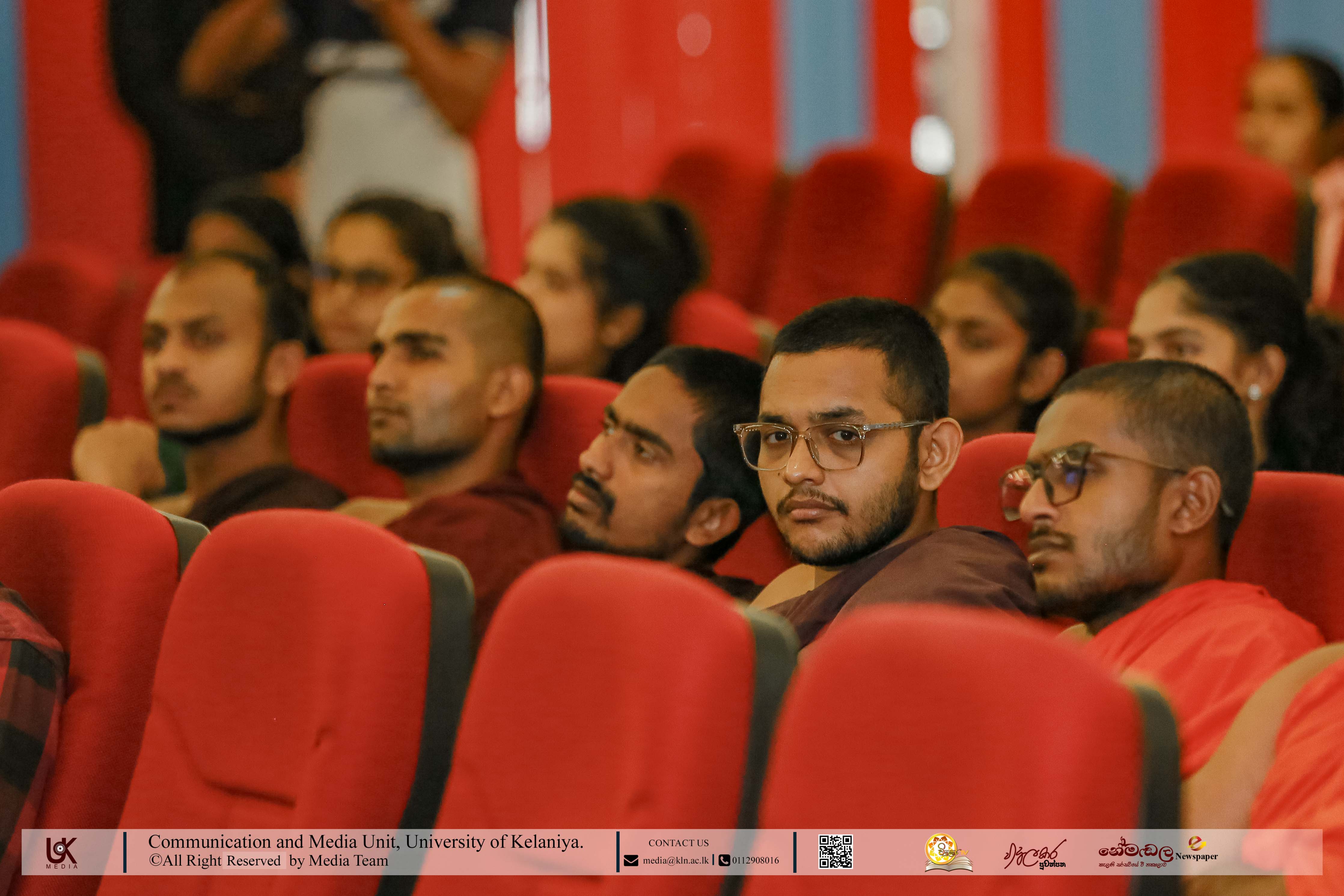
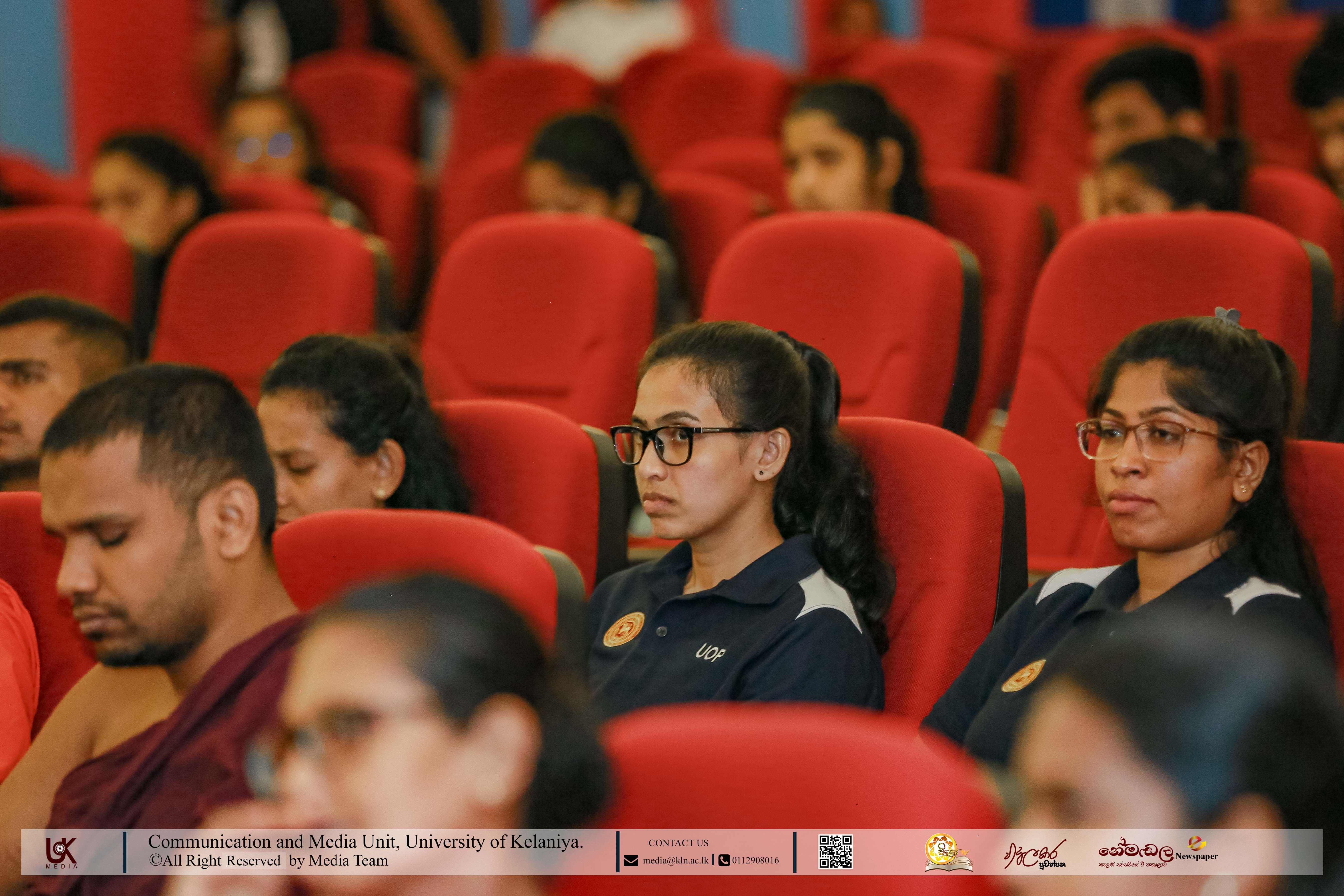
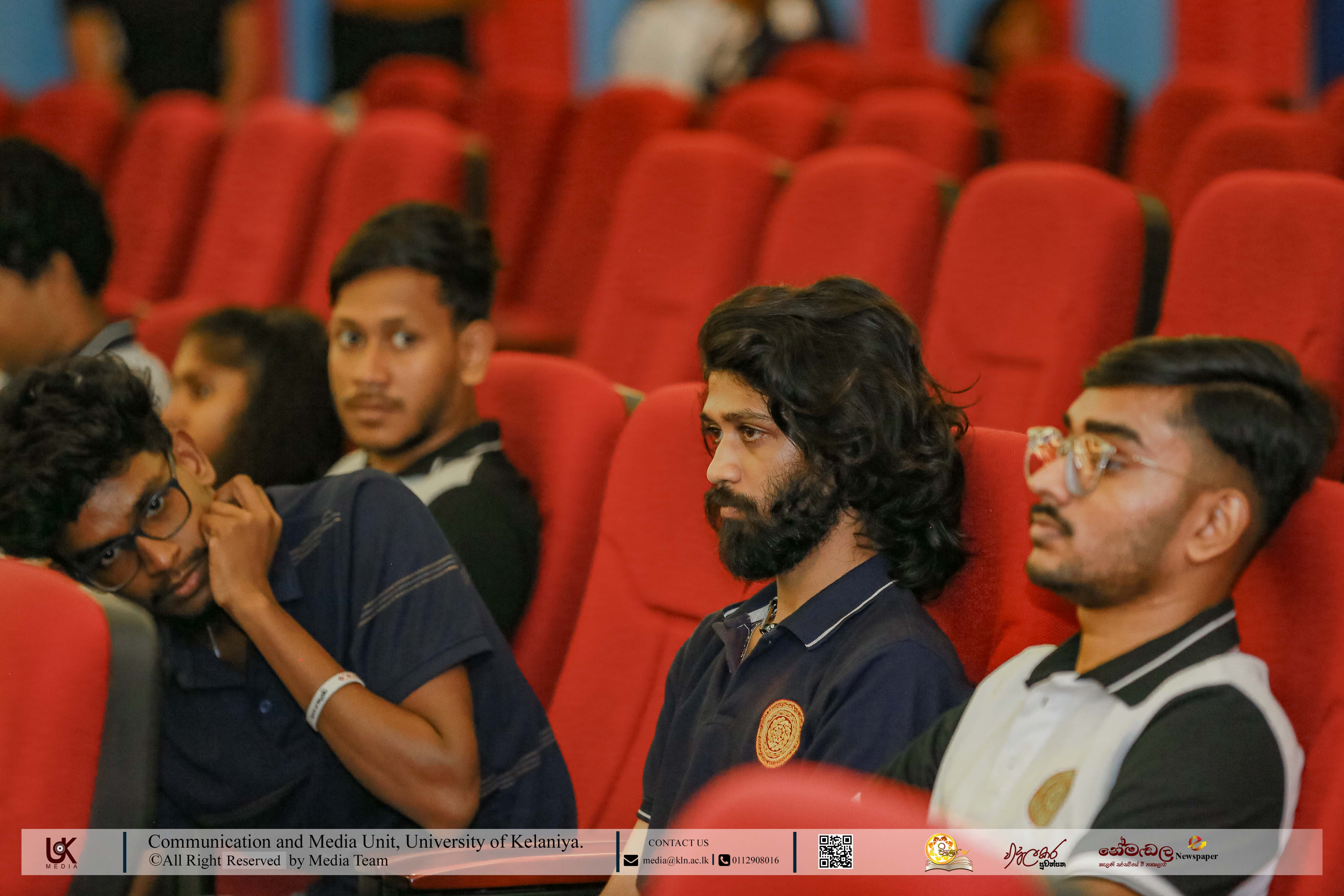
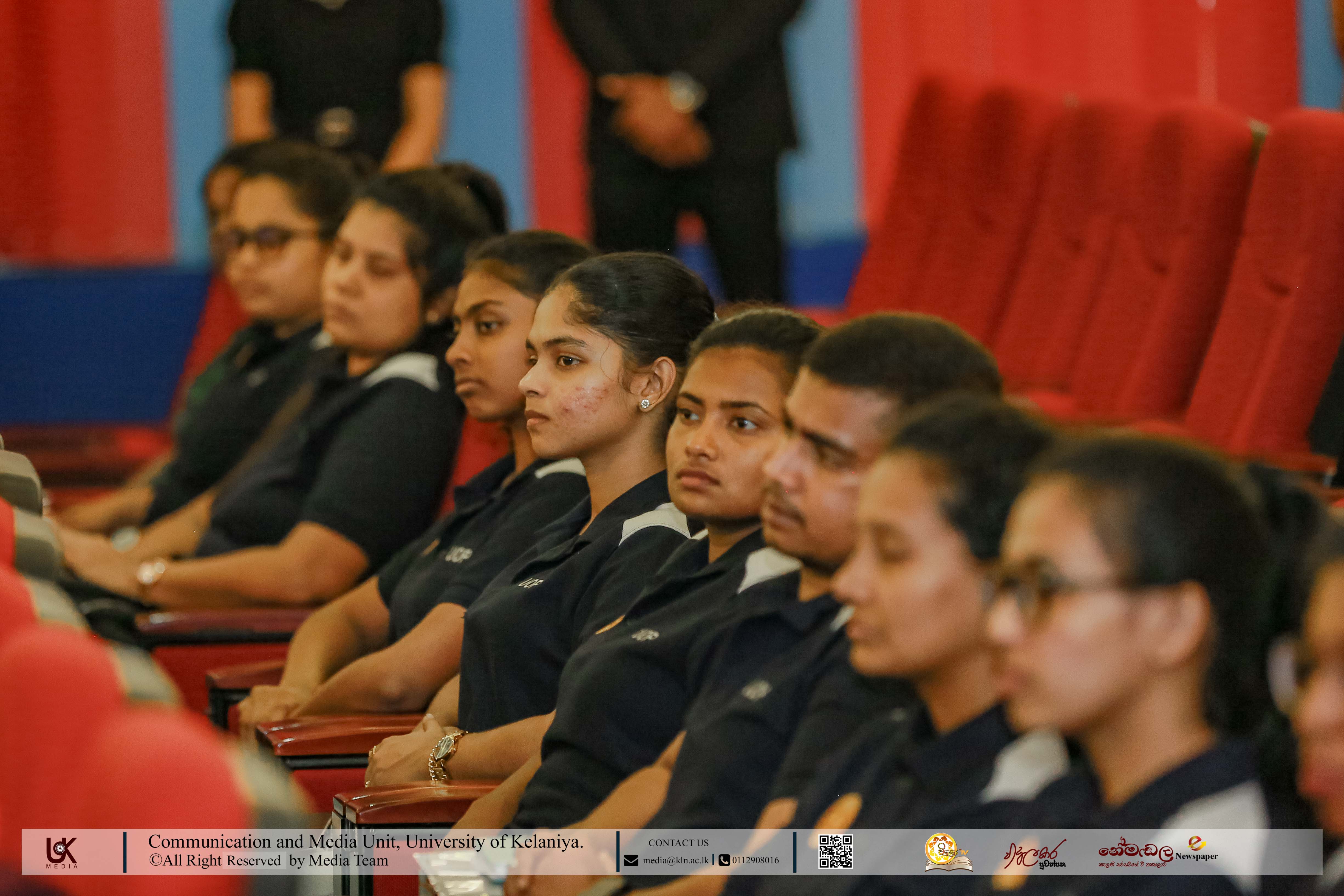
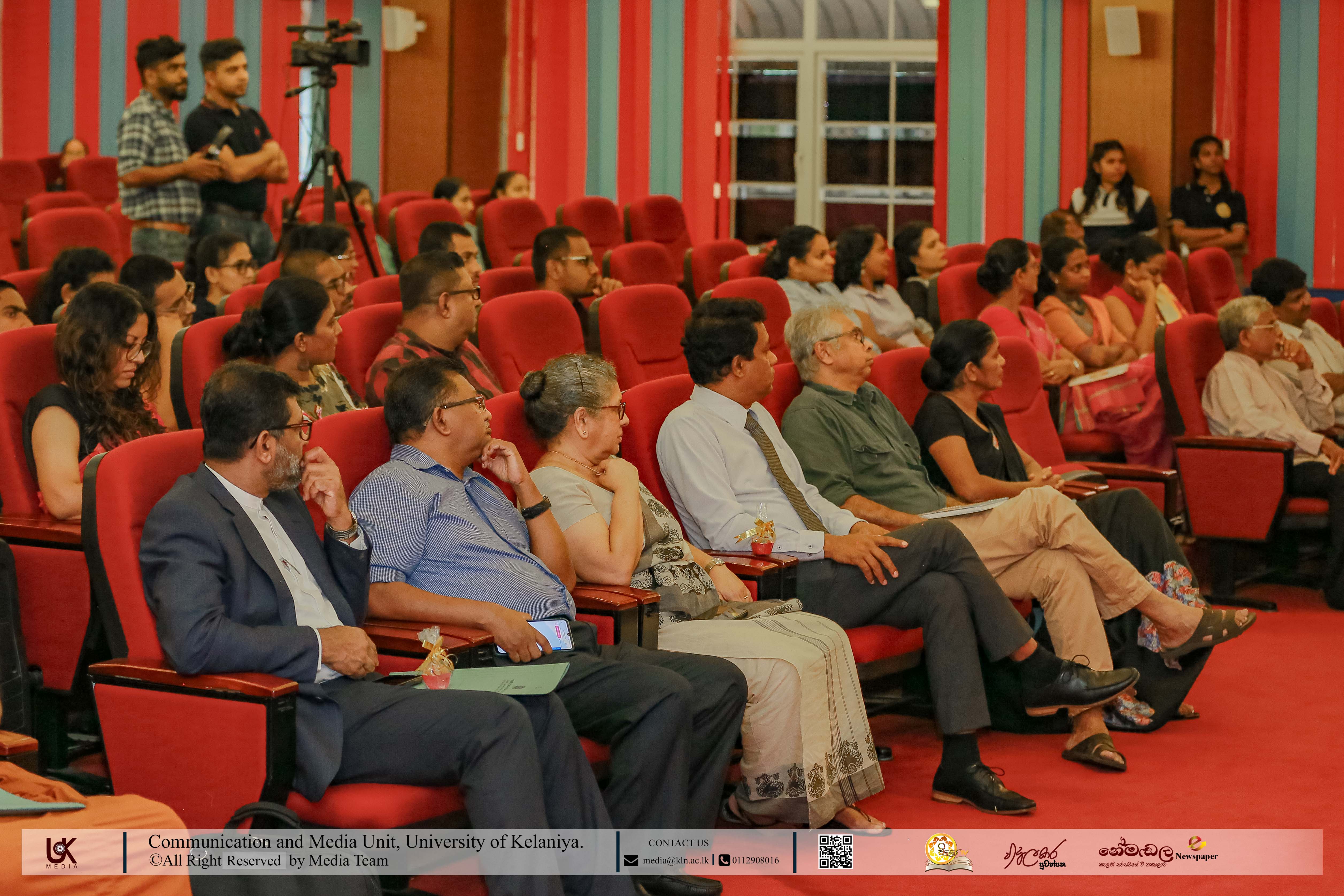
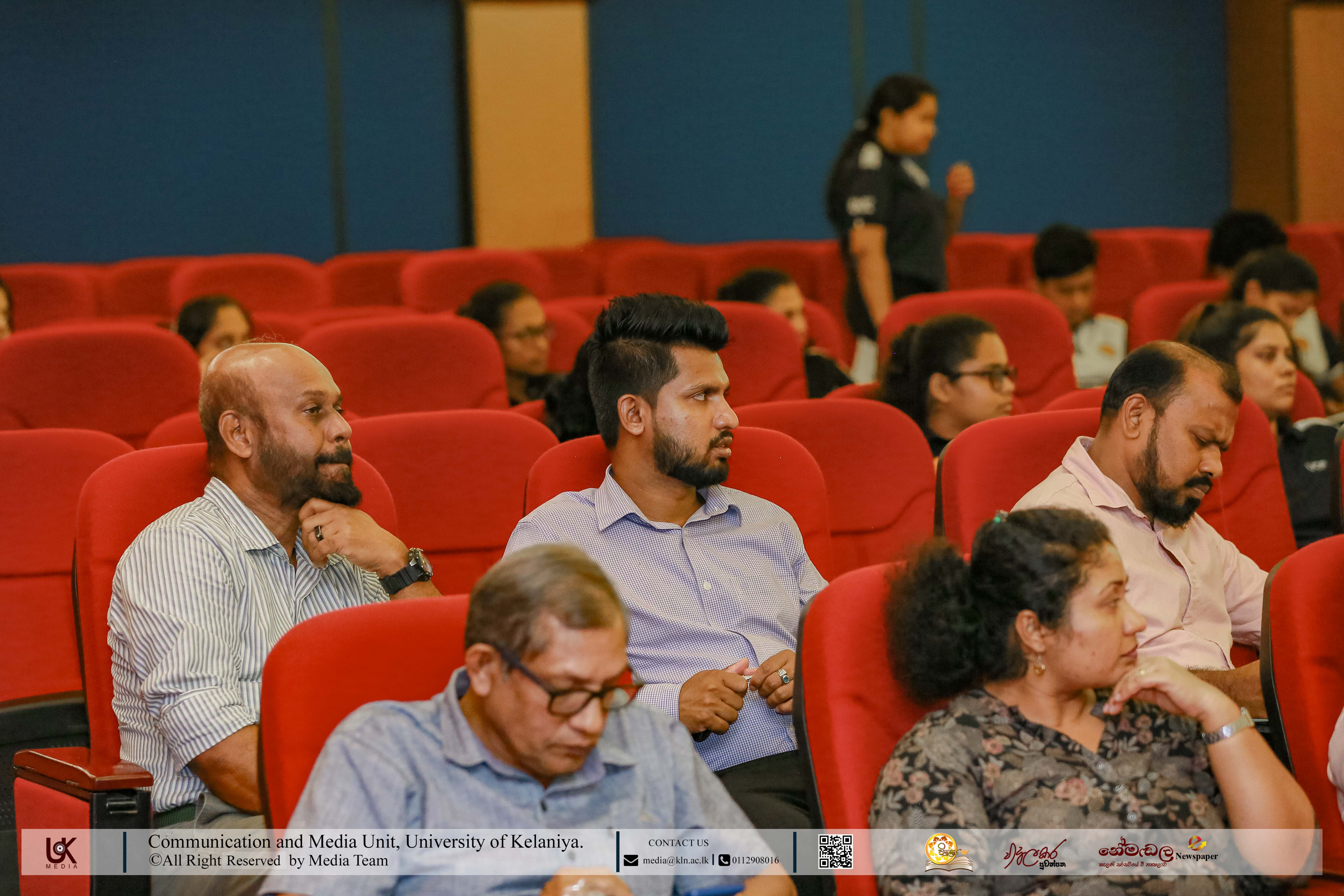
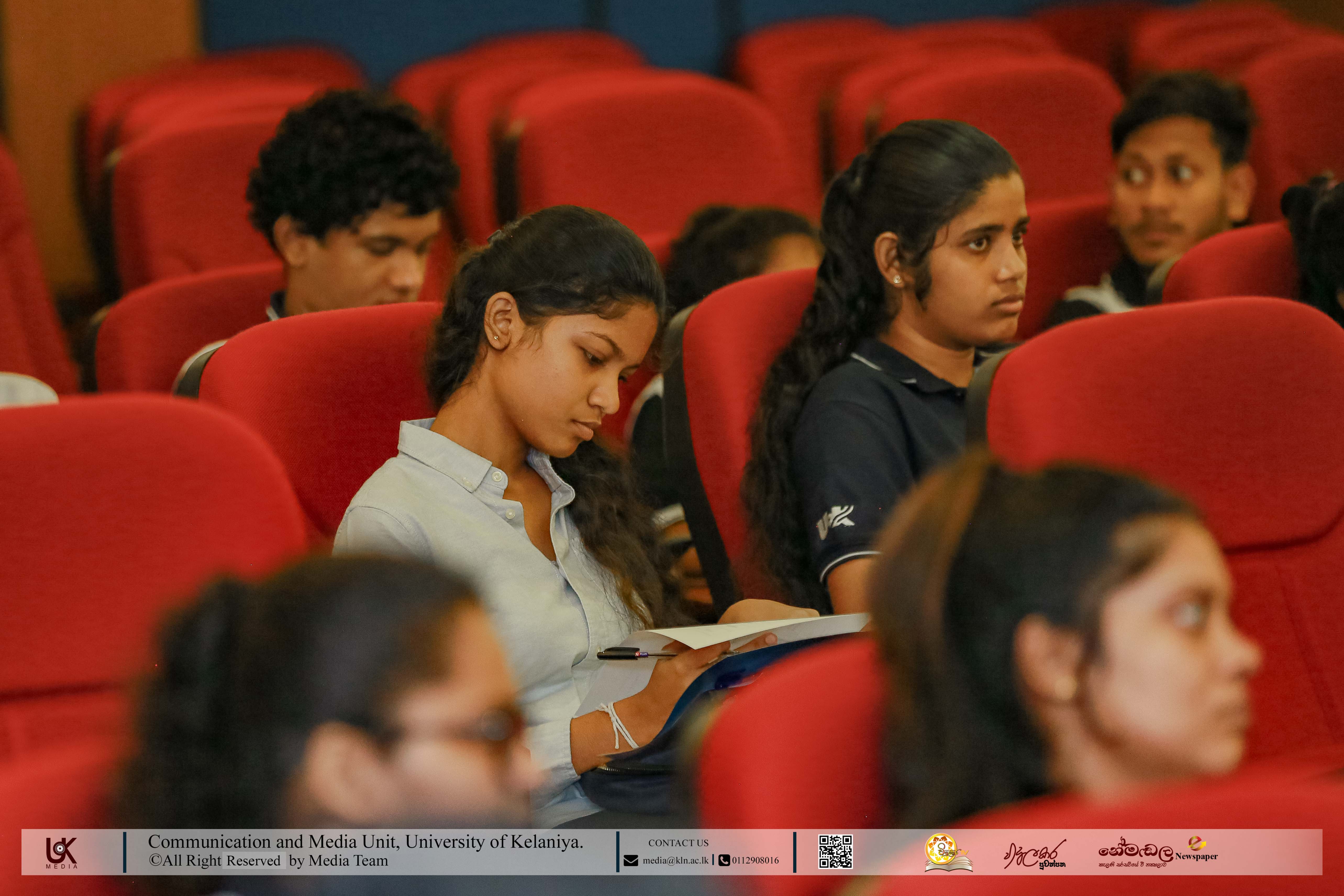
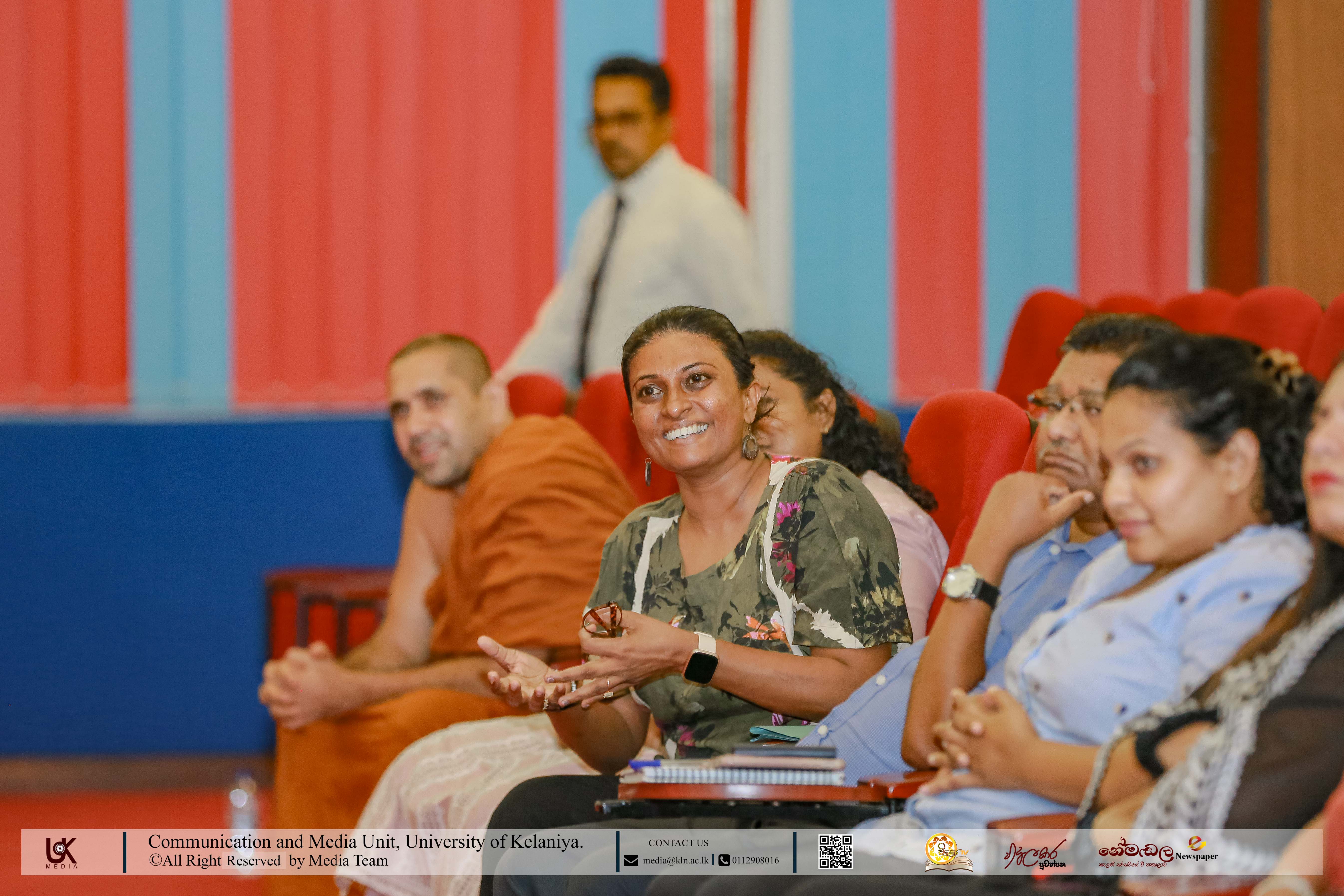
More than 100 participants attended the programme, including academic staff members, researchers, and students from several state universities, including the University of Kelaniya, University of Peradeniya, University of Colombo, University of Jaffna, University of Ruhuna, and the Pali and Buddhist University of Sri Lanka. Participants represented multiple disciplines, including Heritage Studies, Philosophy, Psychology, Archaeology, History, Sinhala, Sociology, Tourism Studies, and related fields.
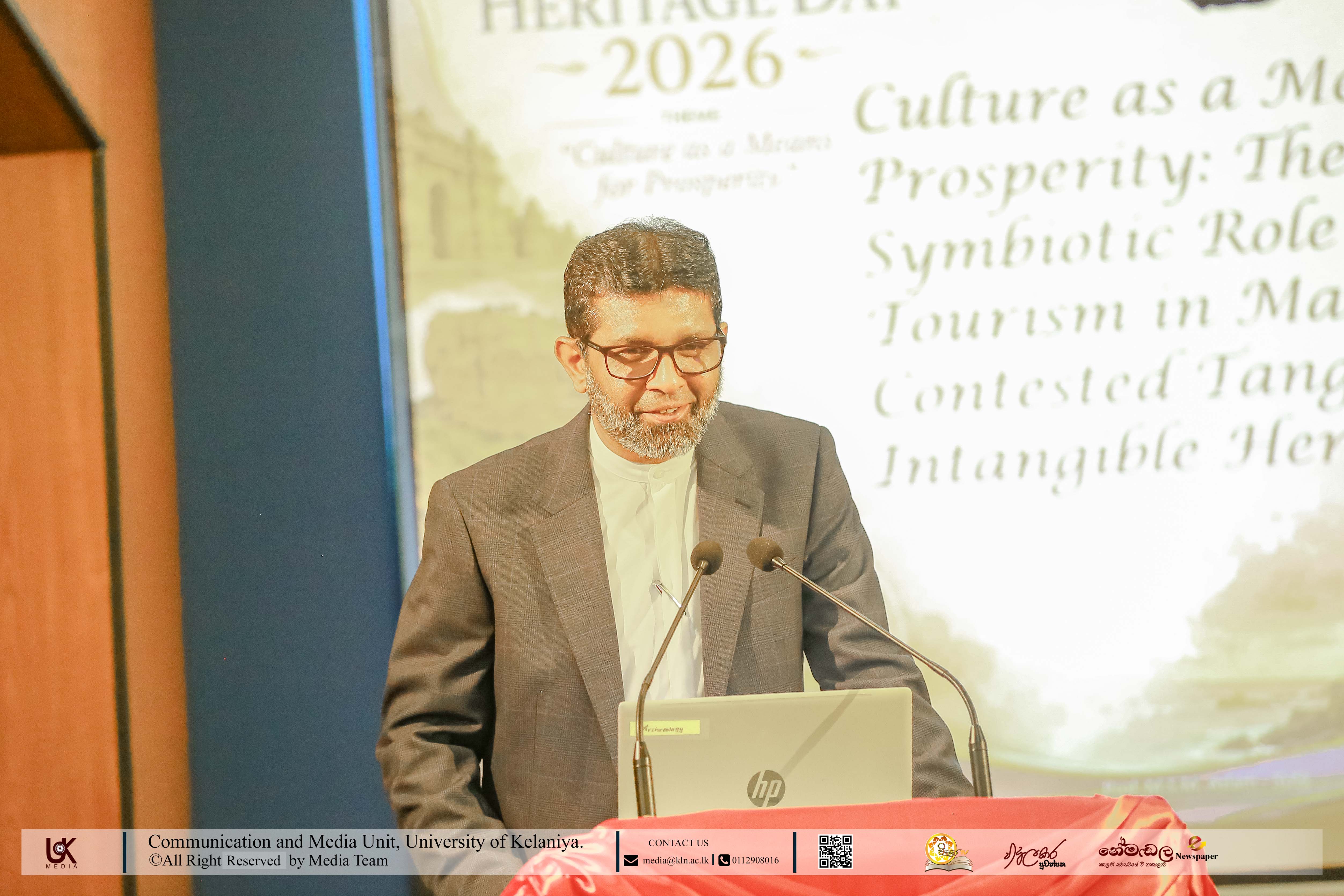
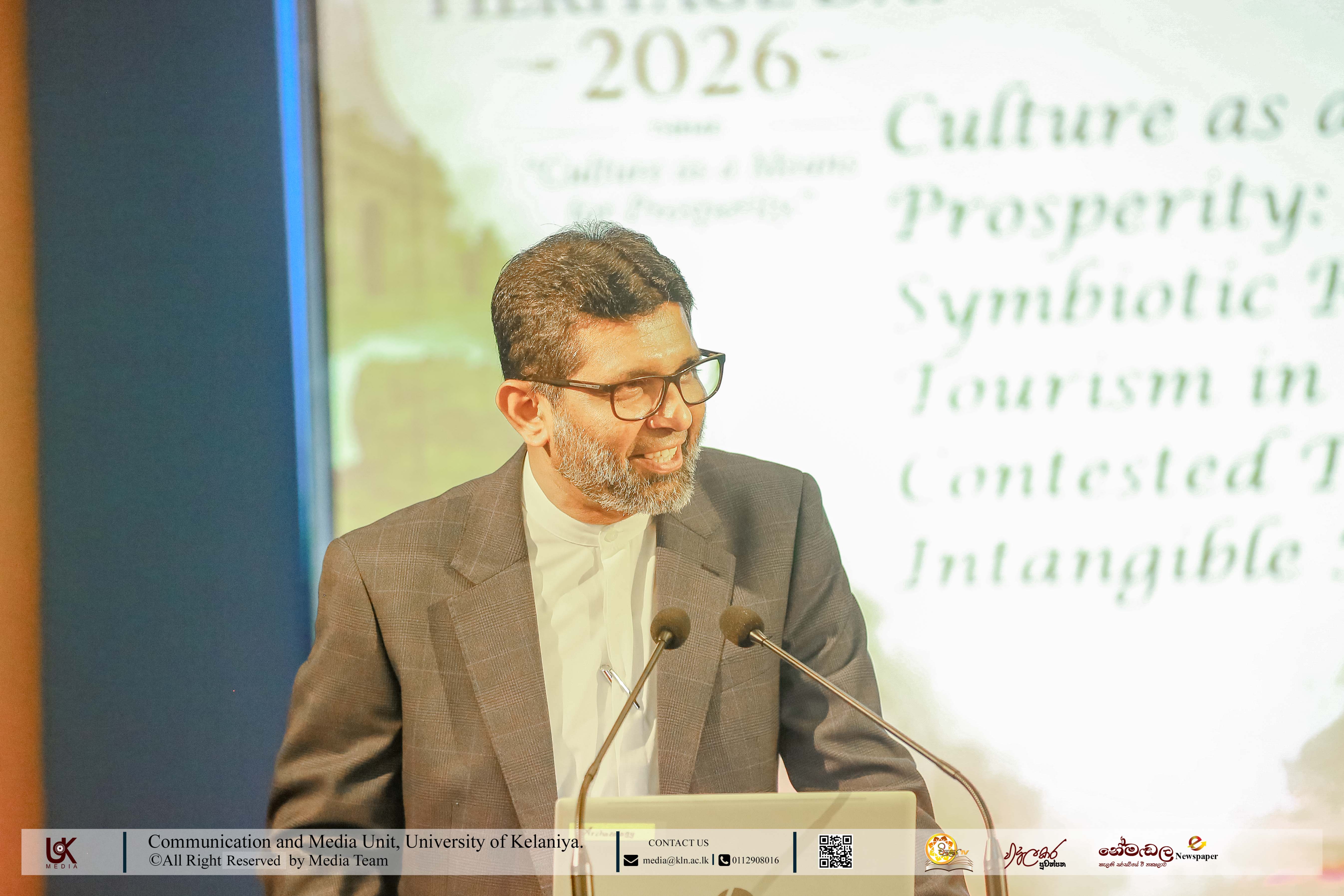
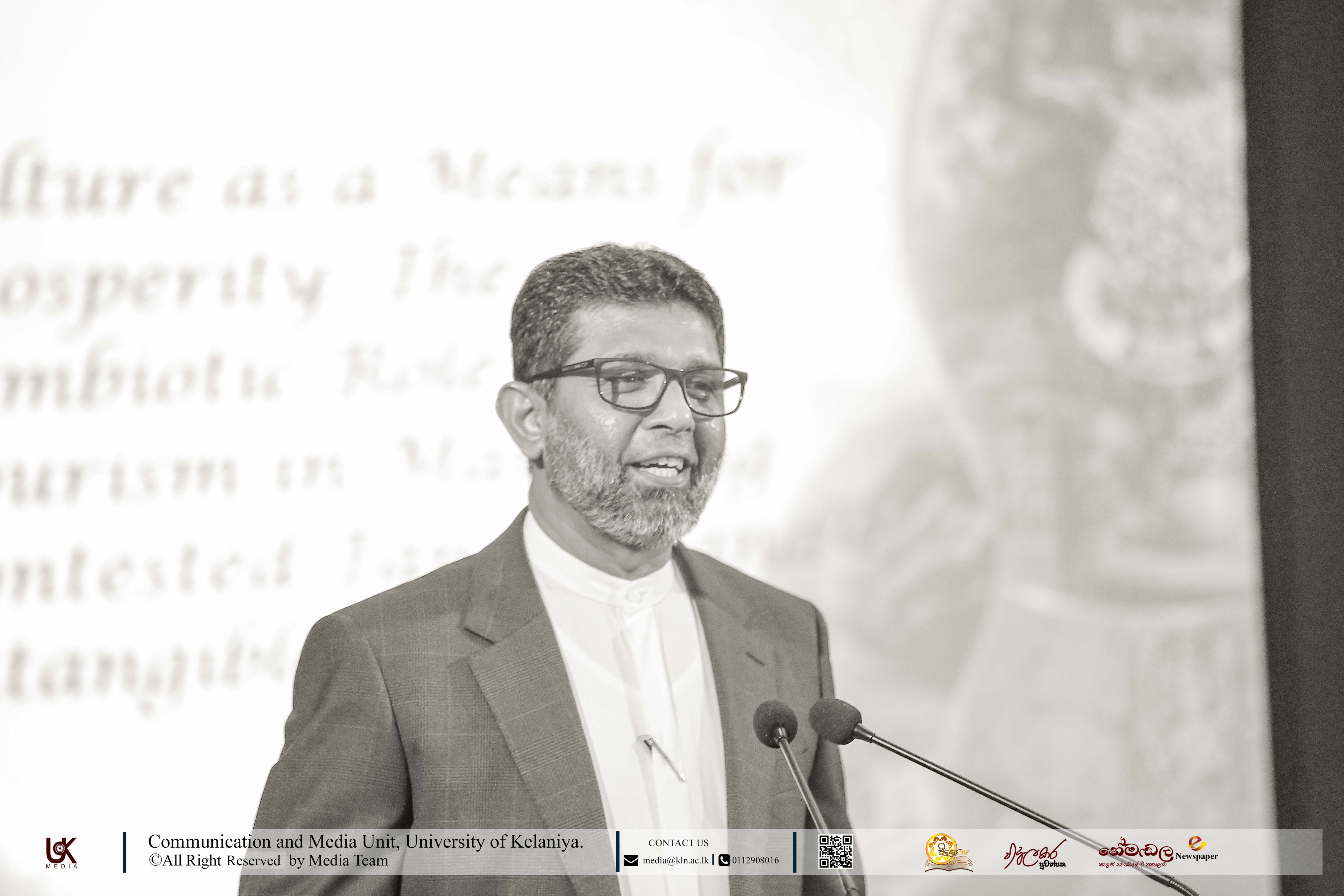
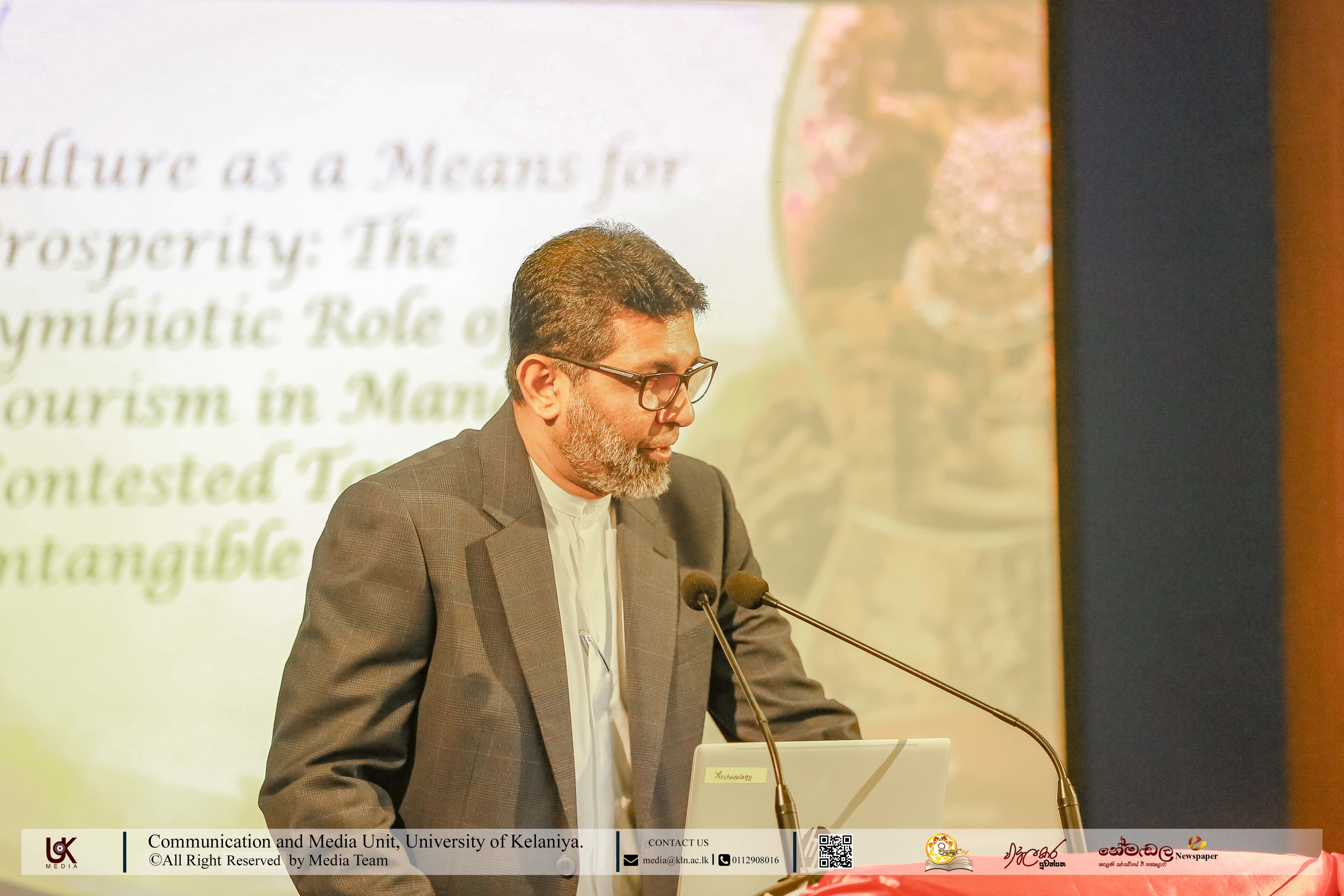
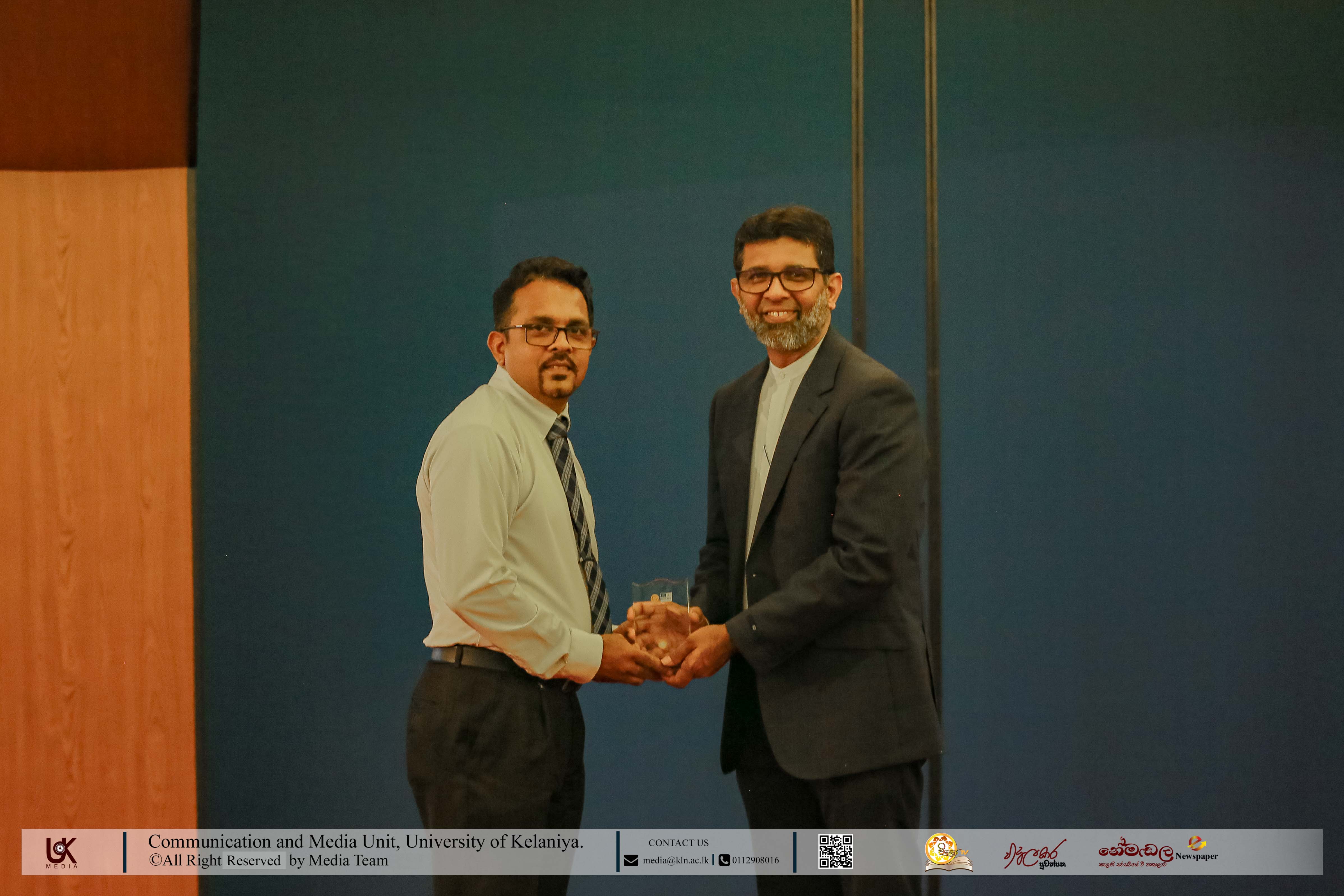
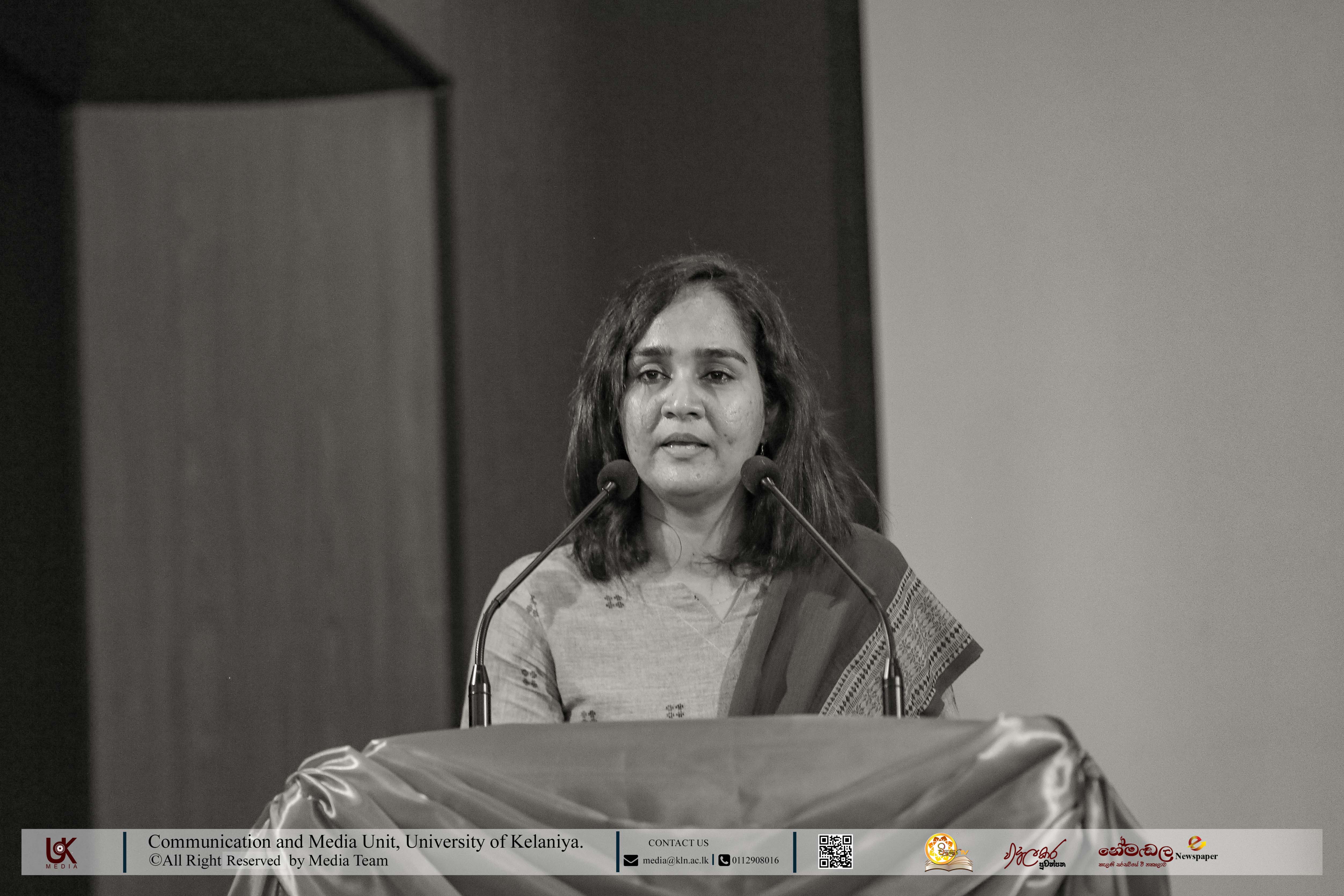
The opening lecture of the programme was delivered by Professor M. S. M. Aslam of the Department of Tourism Management, Sabaragamuwa University of Sri Lanka, under the title “Culture as a Means for Prosperity: The Symbiotic Role of Tourism in Managing Contested Tangible and Intangible Heritage.” The lecture highlighted the relationship between tourism, heritage management, and sustainable peacebuilding.
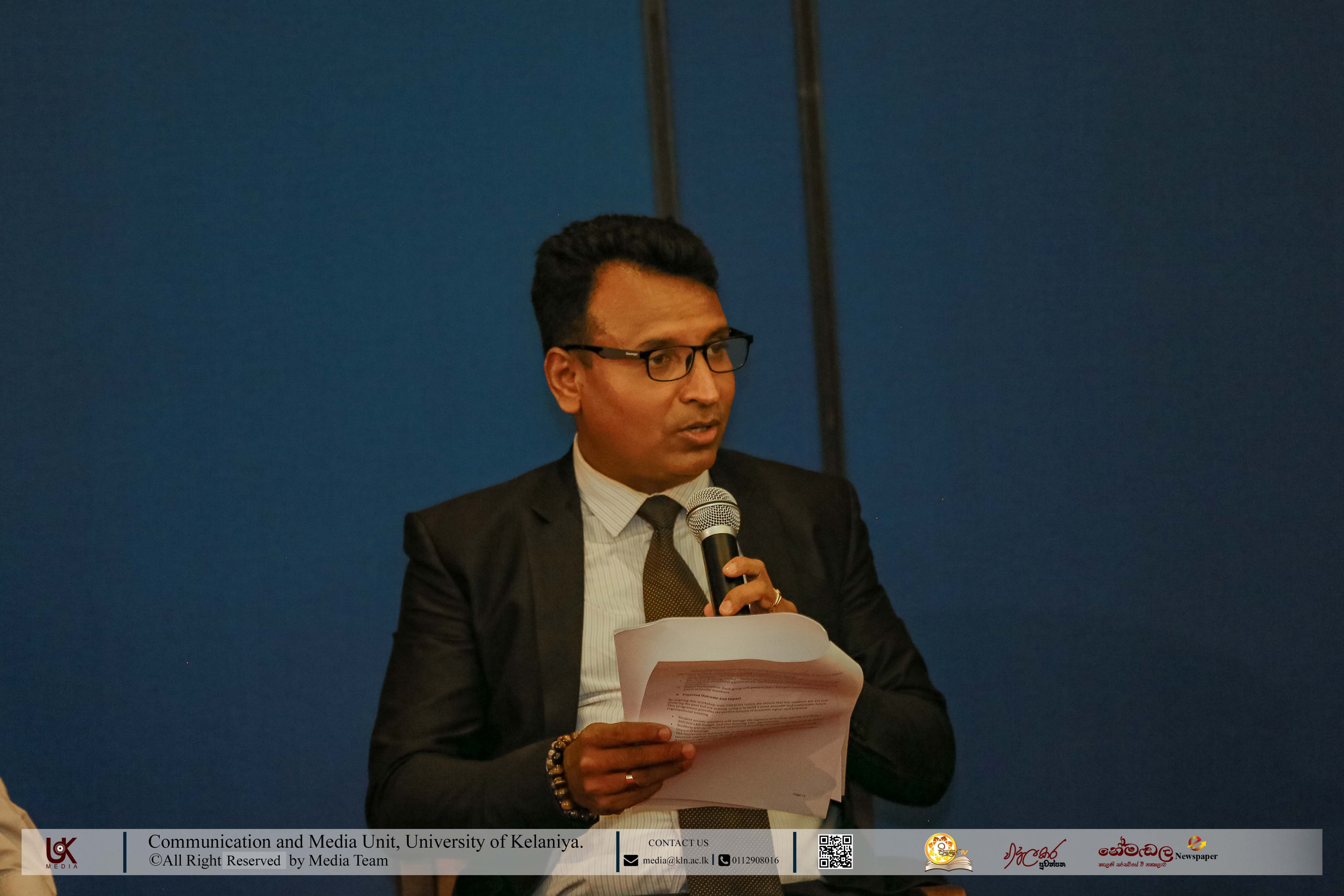
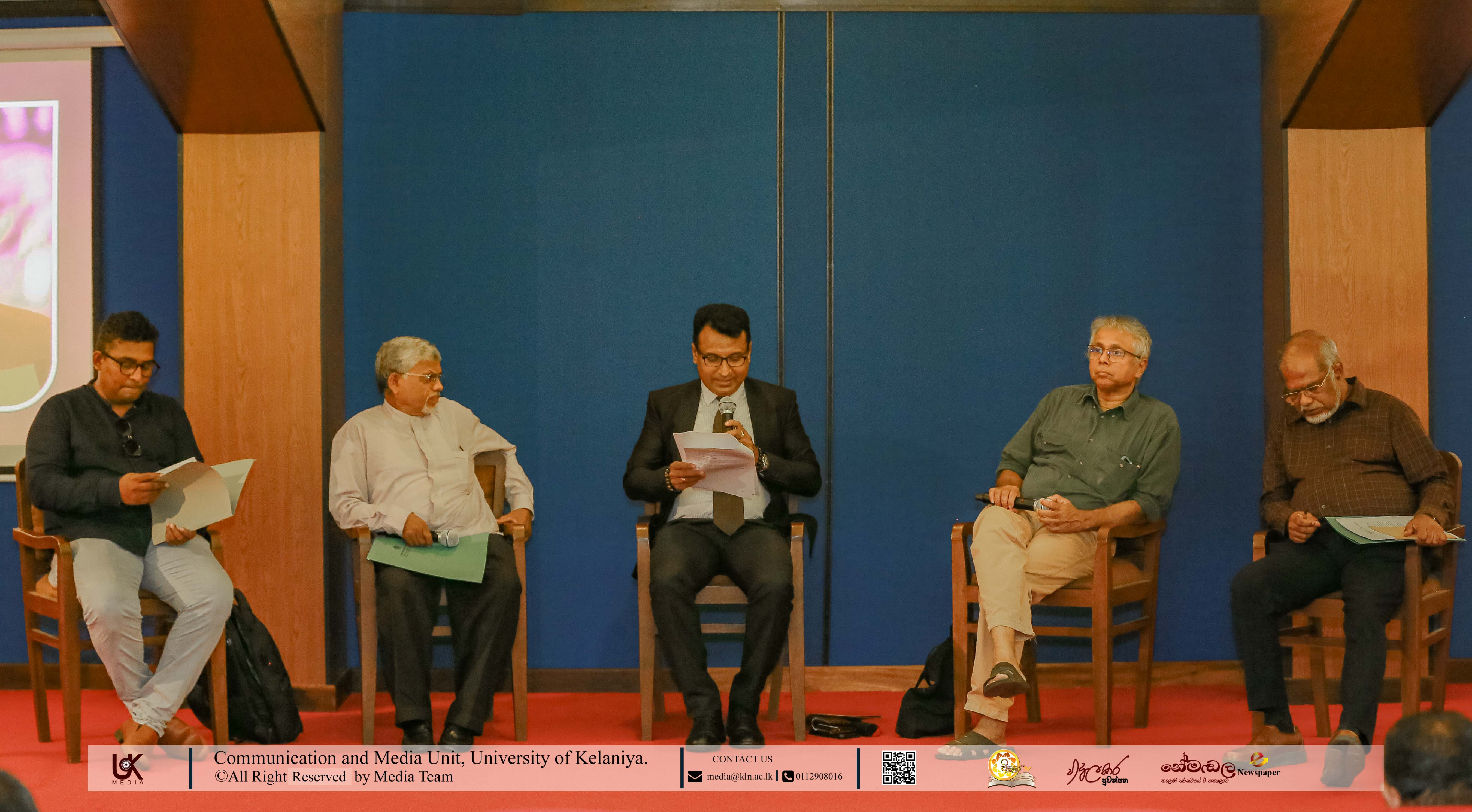
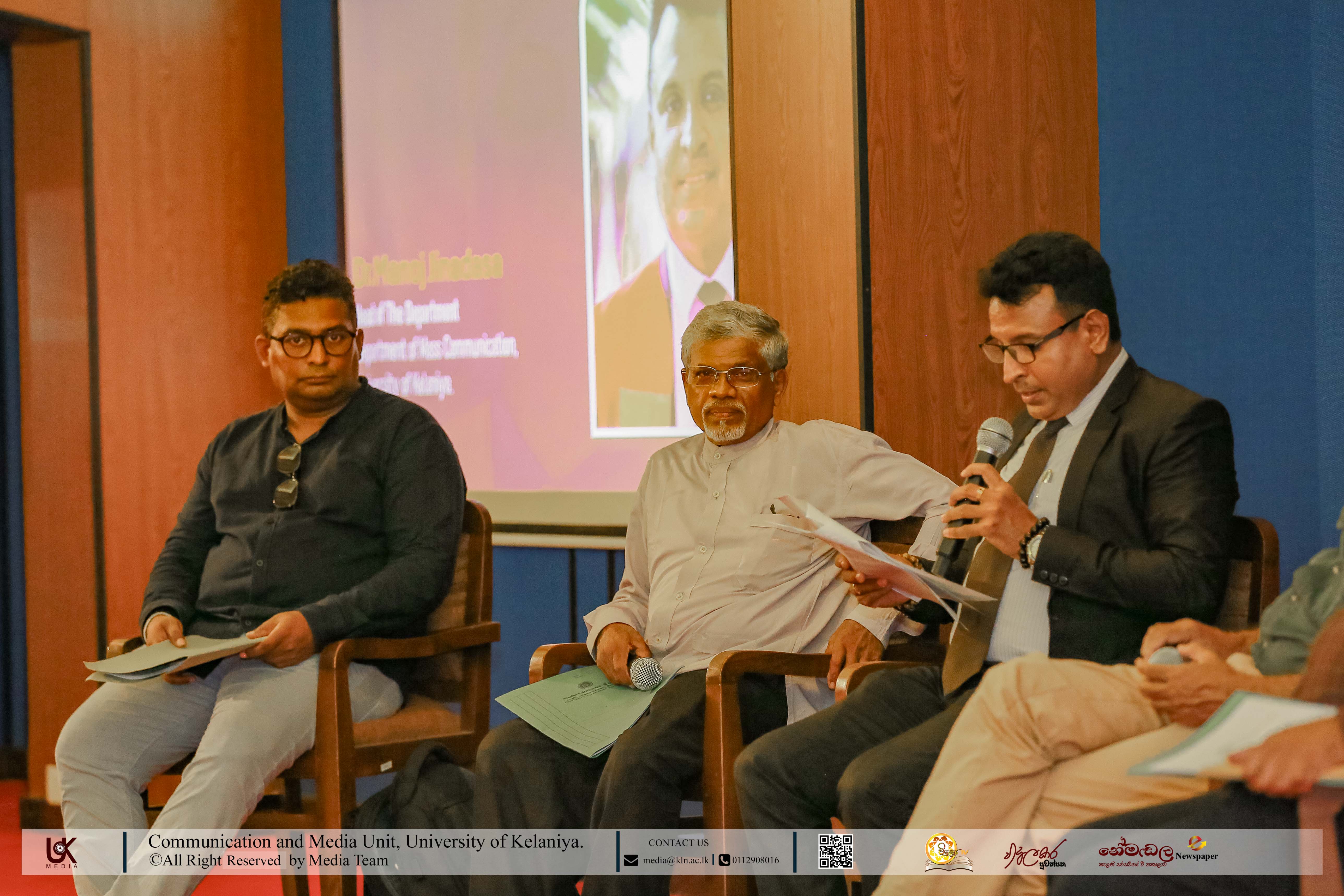
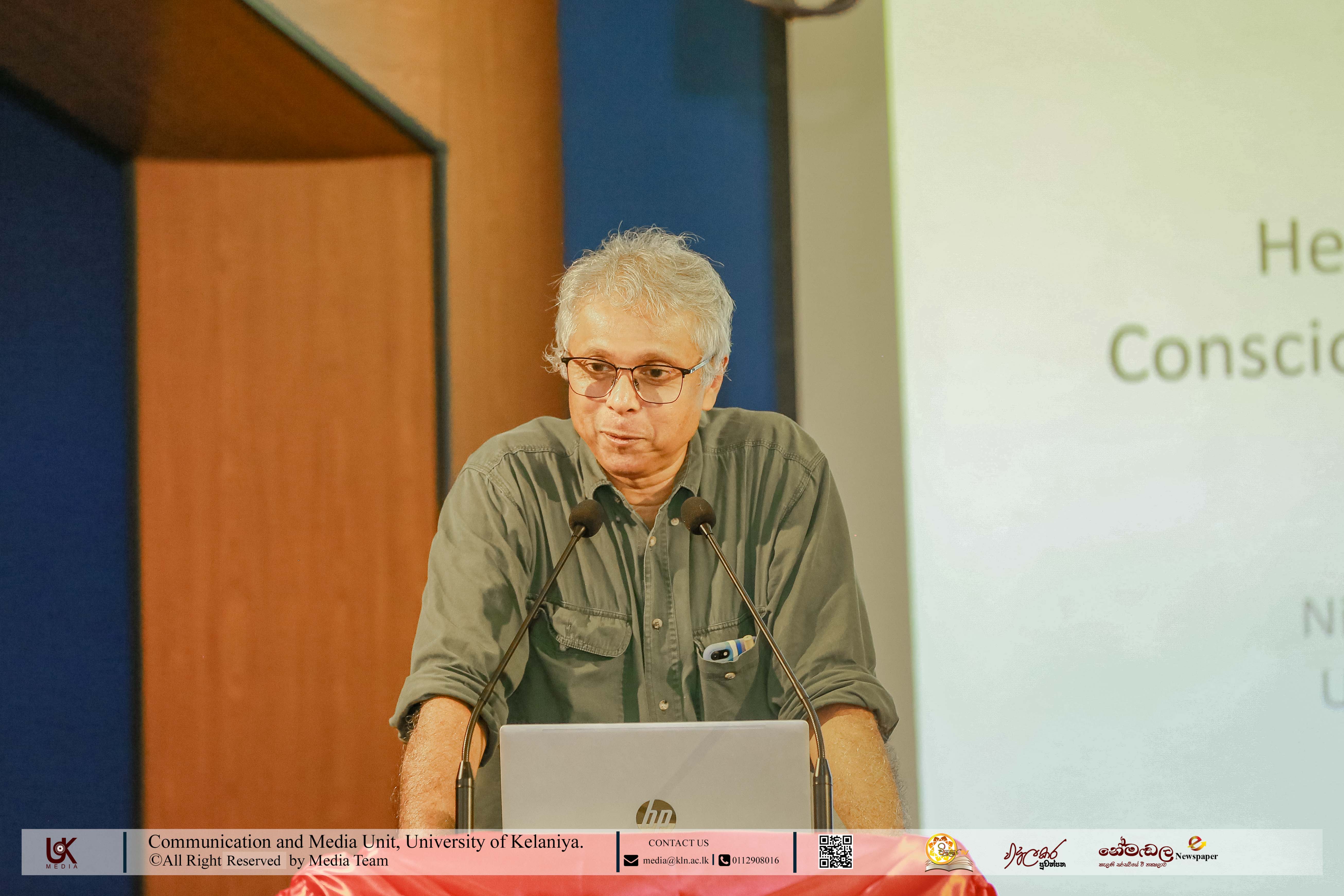
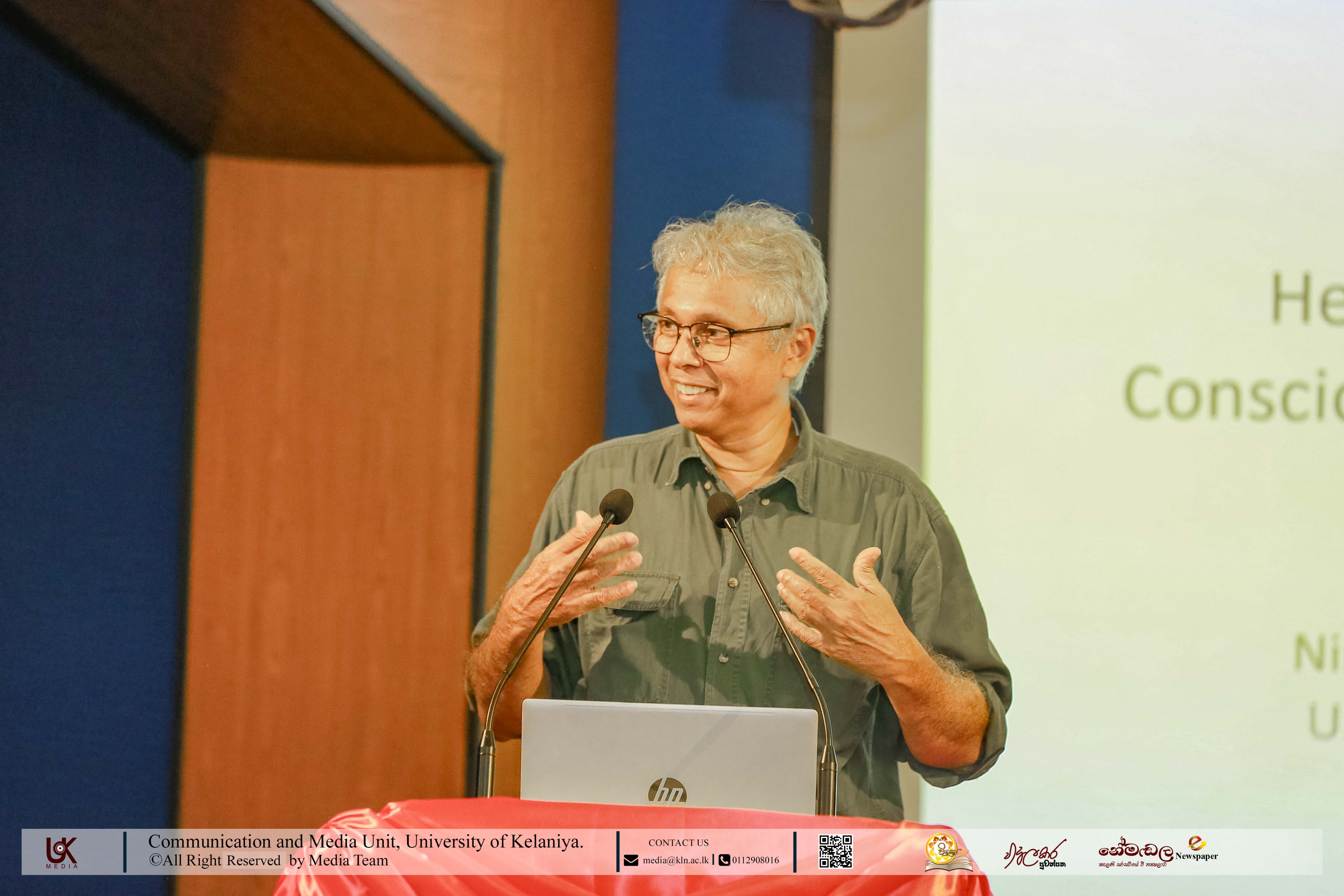
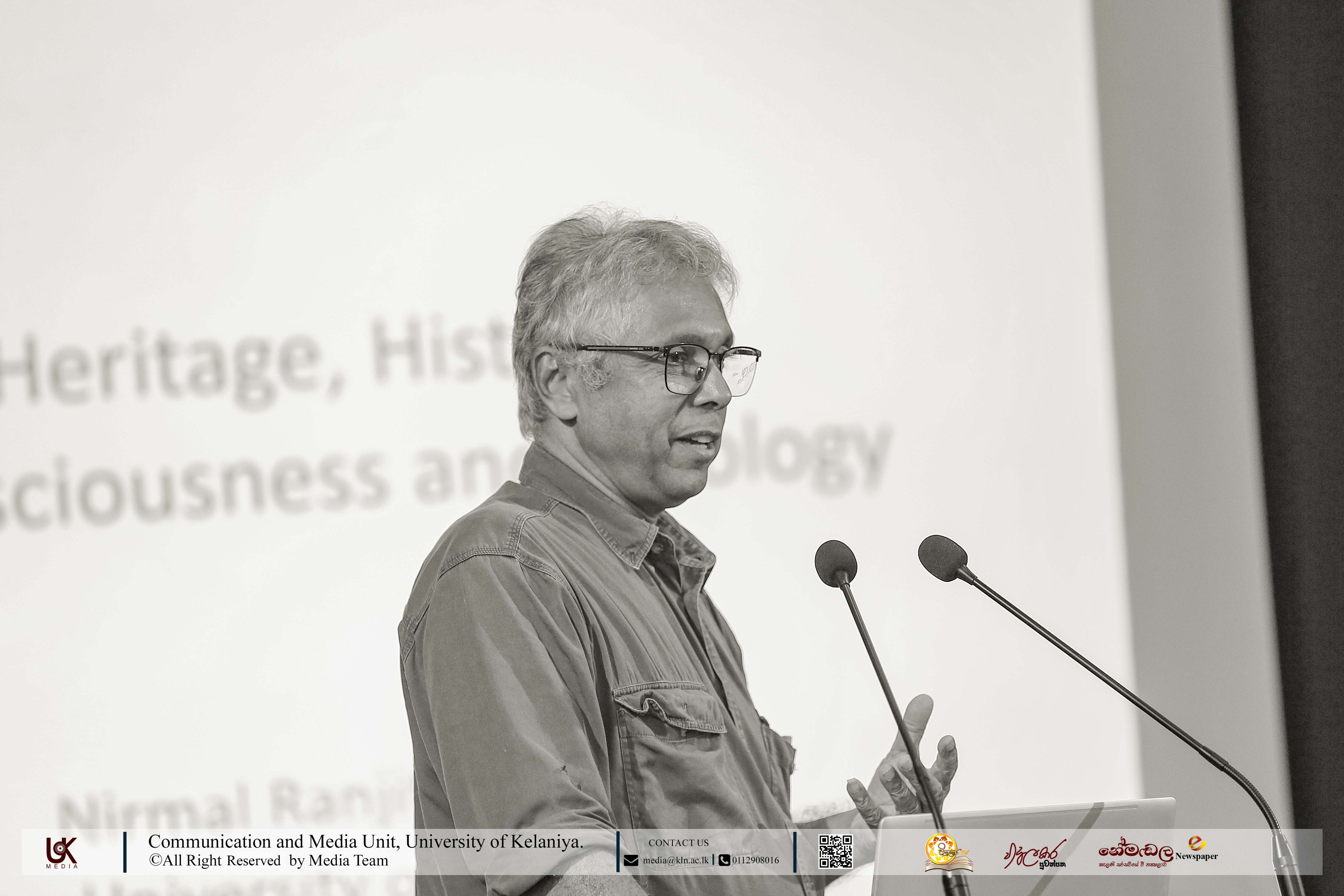
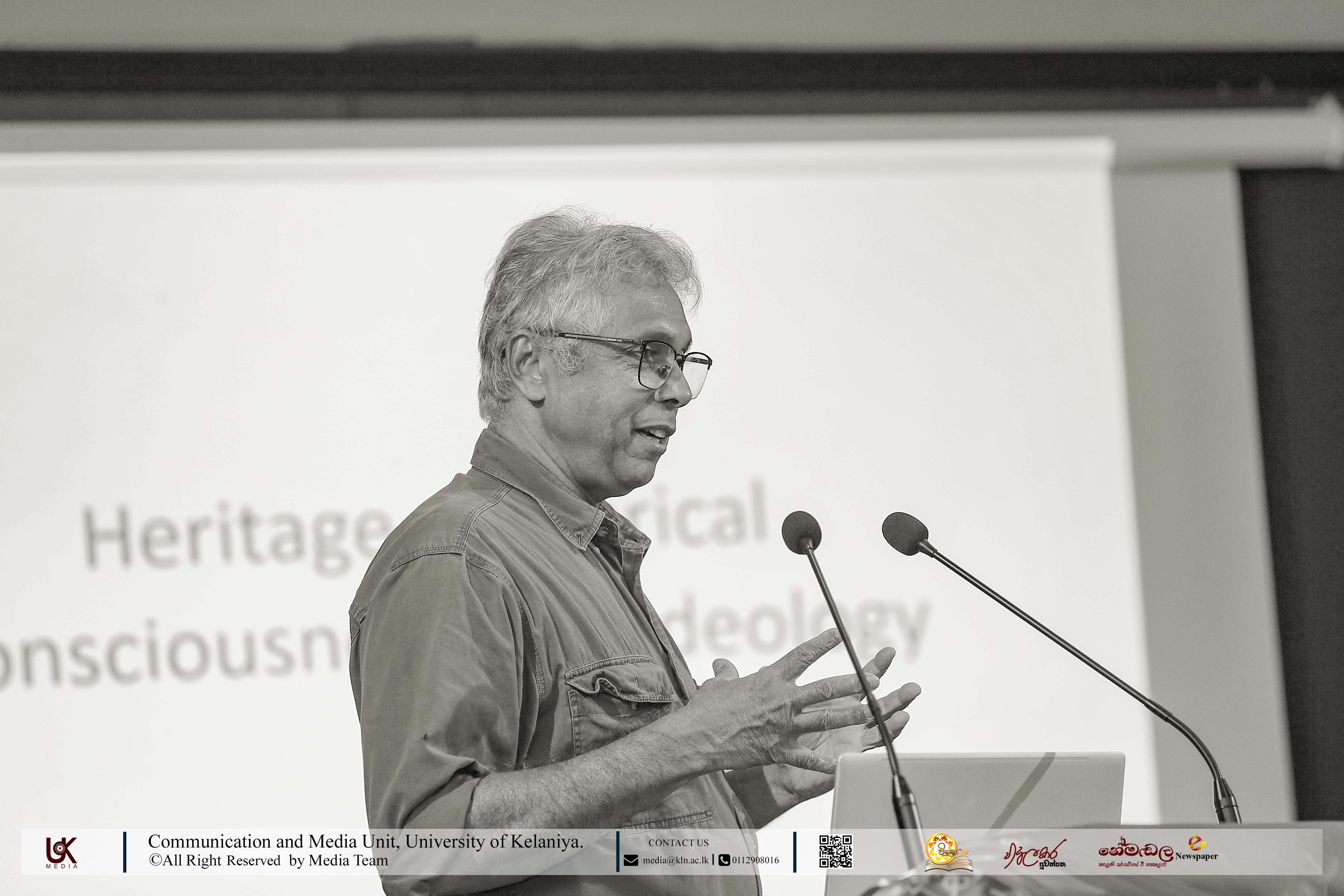
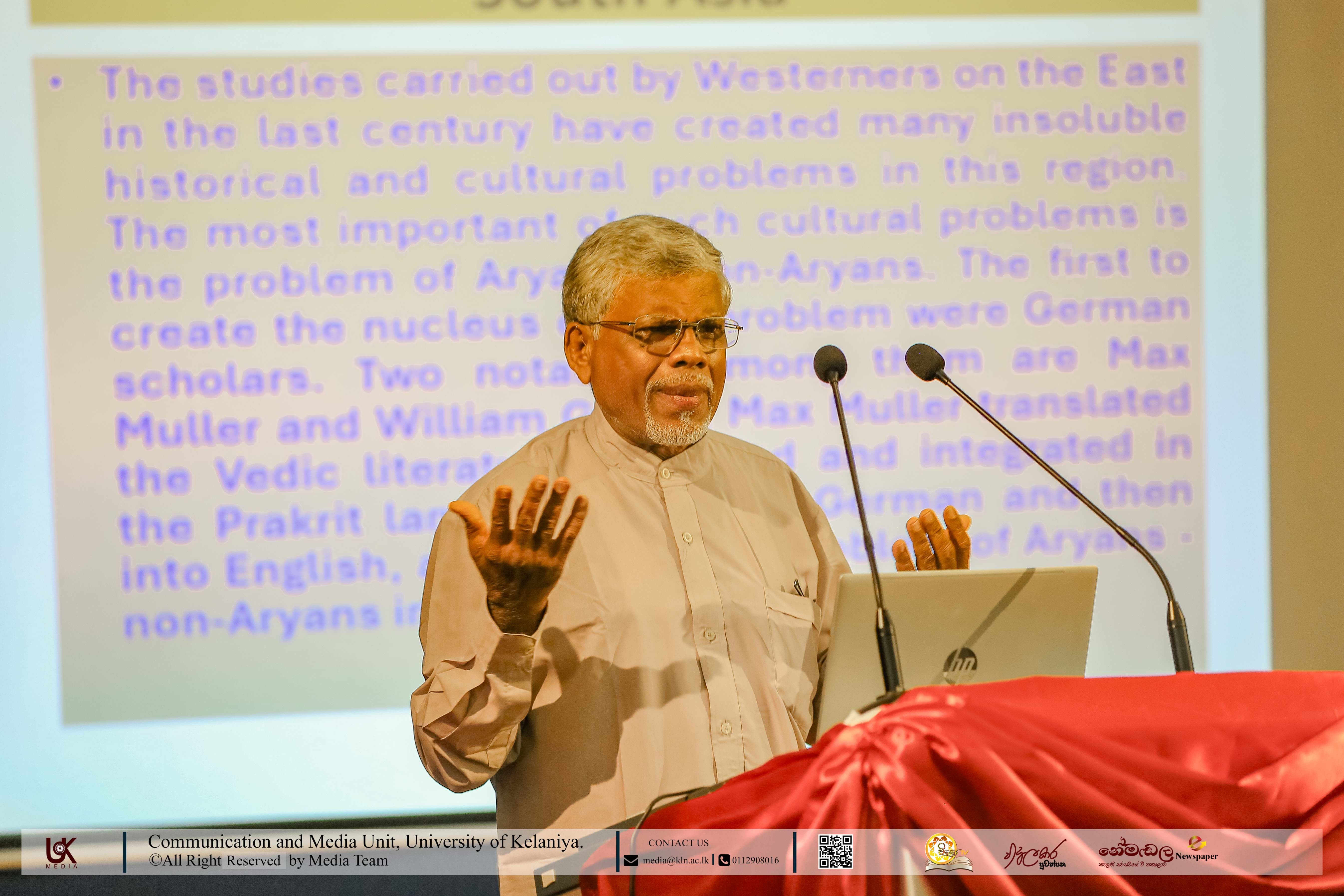
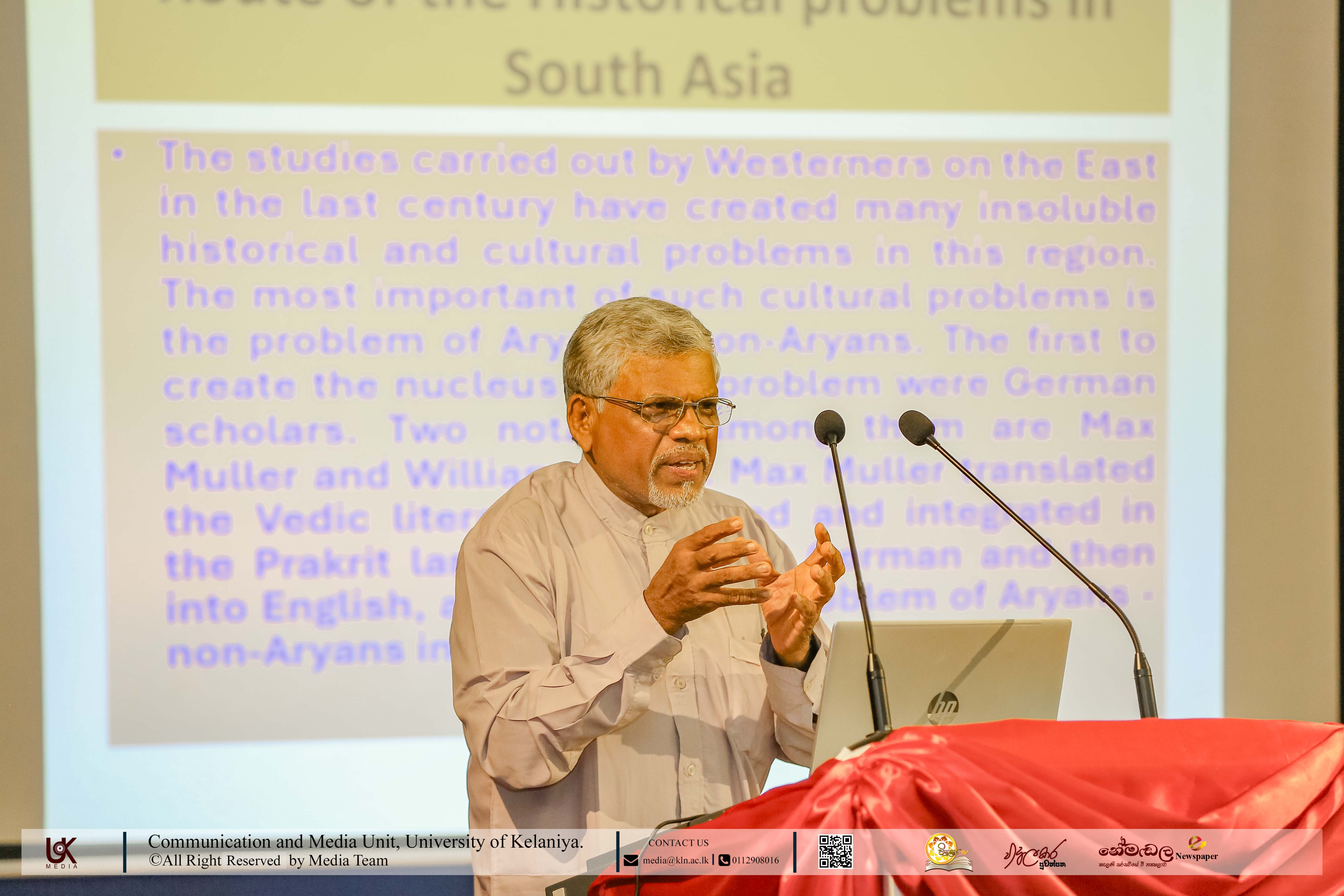
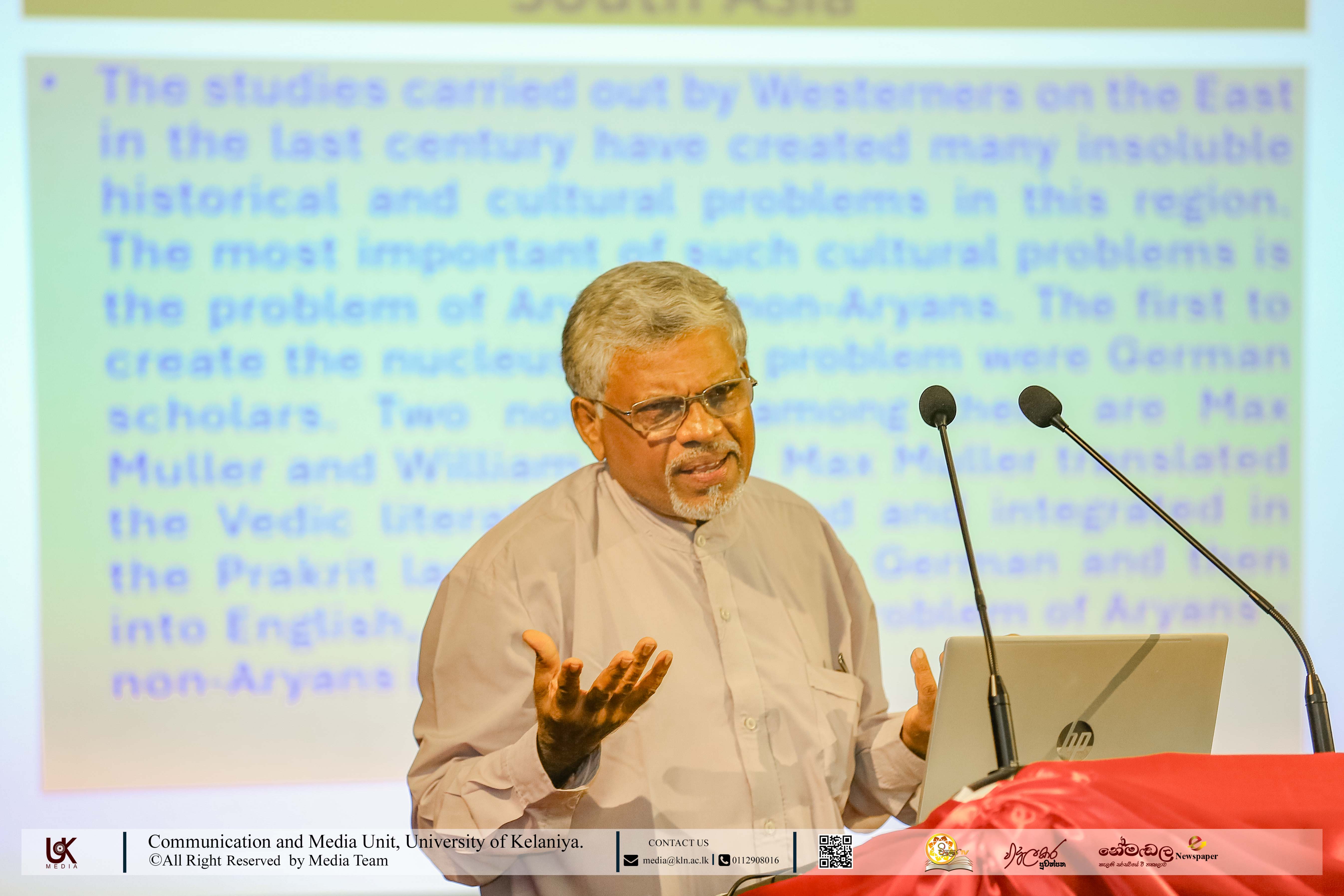
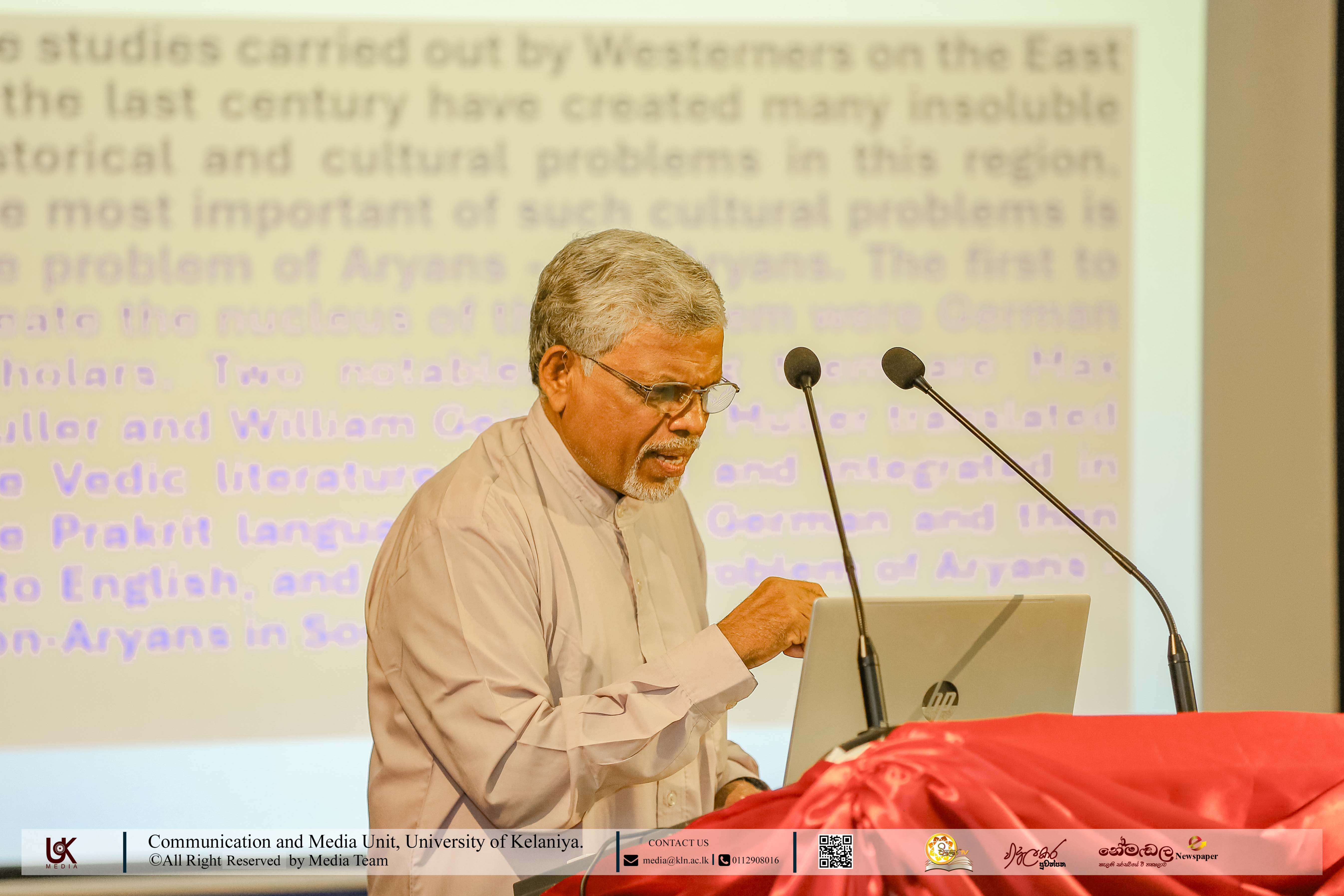
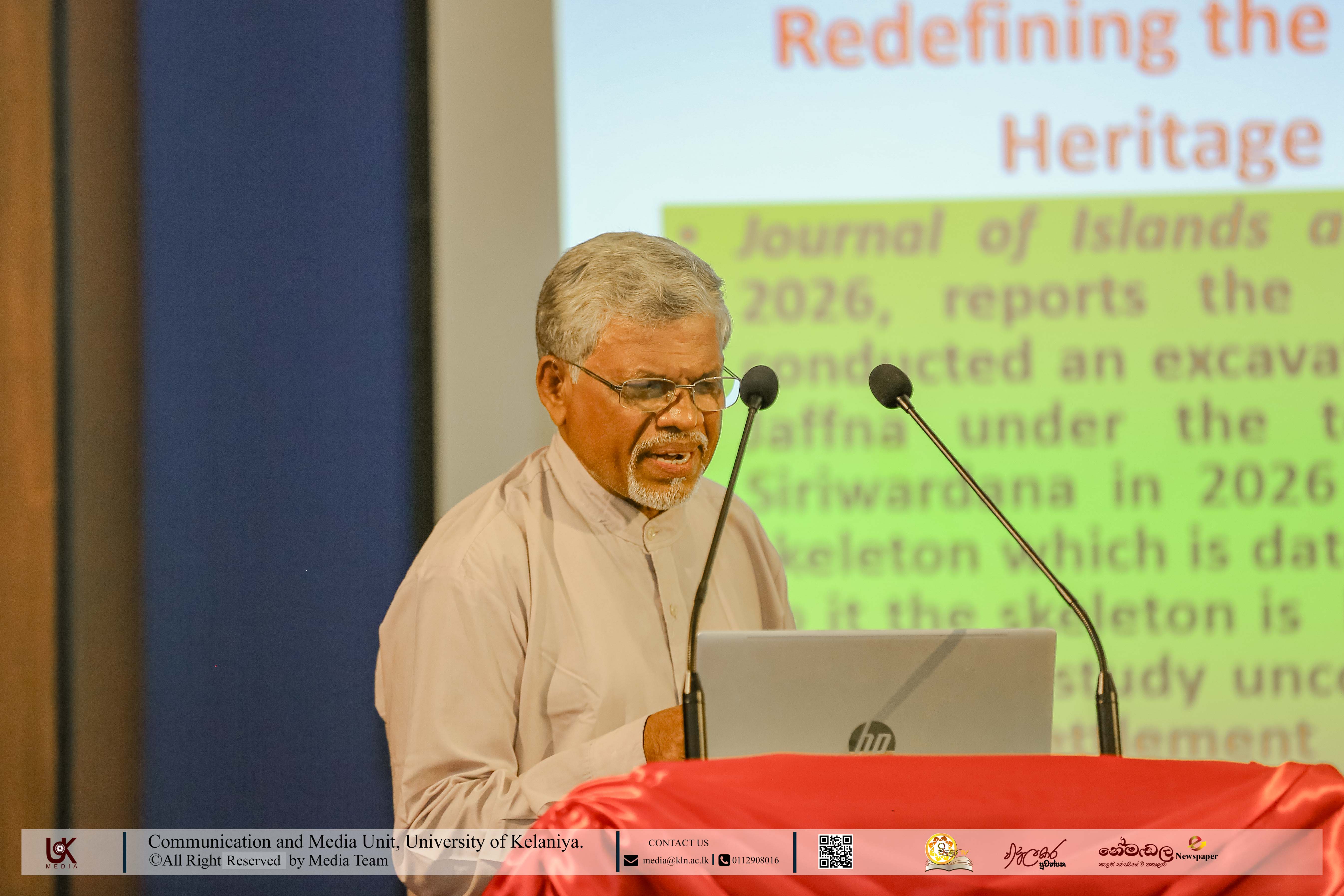
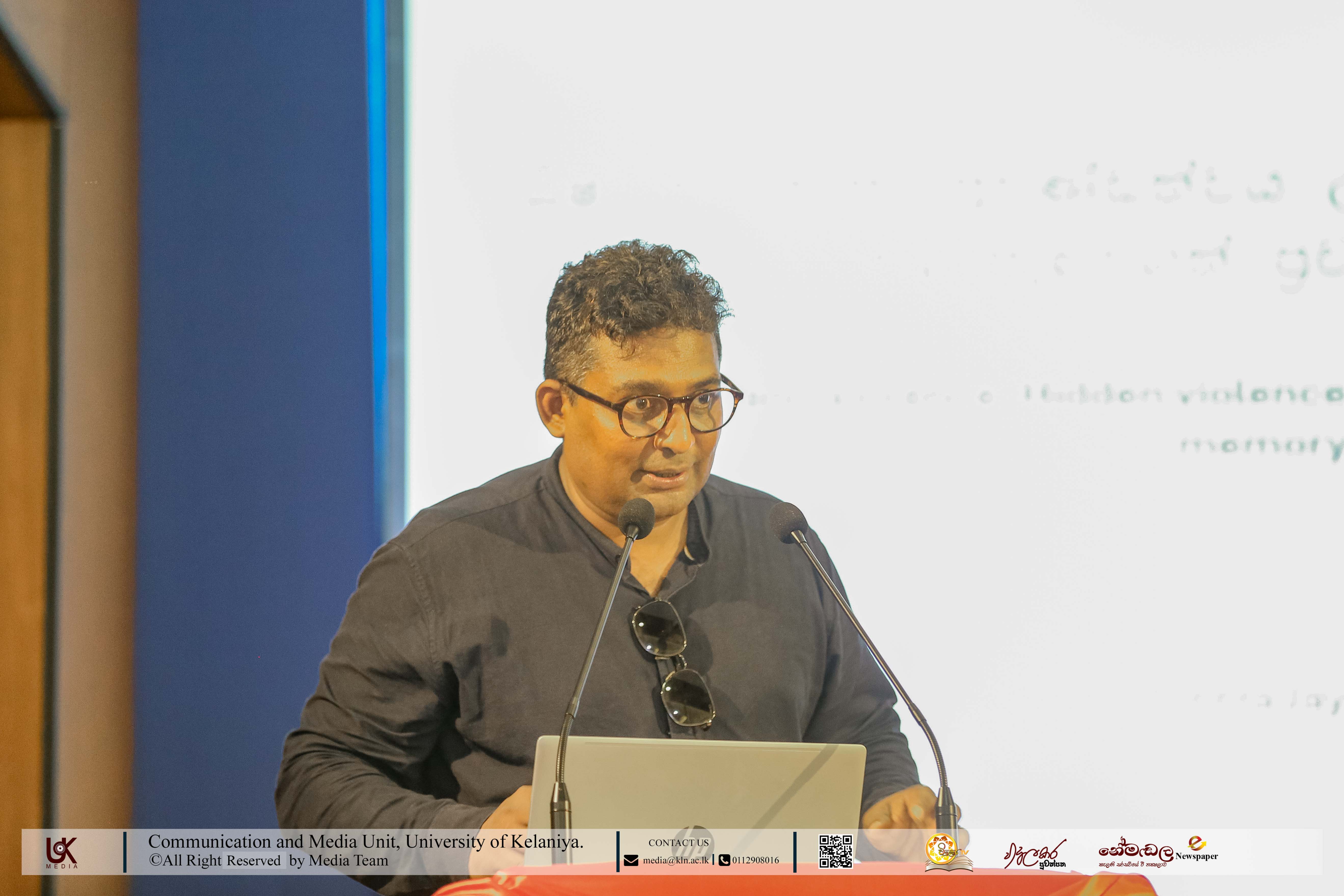
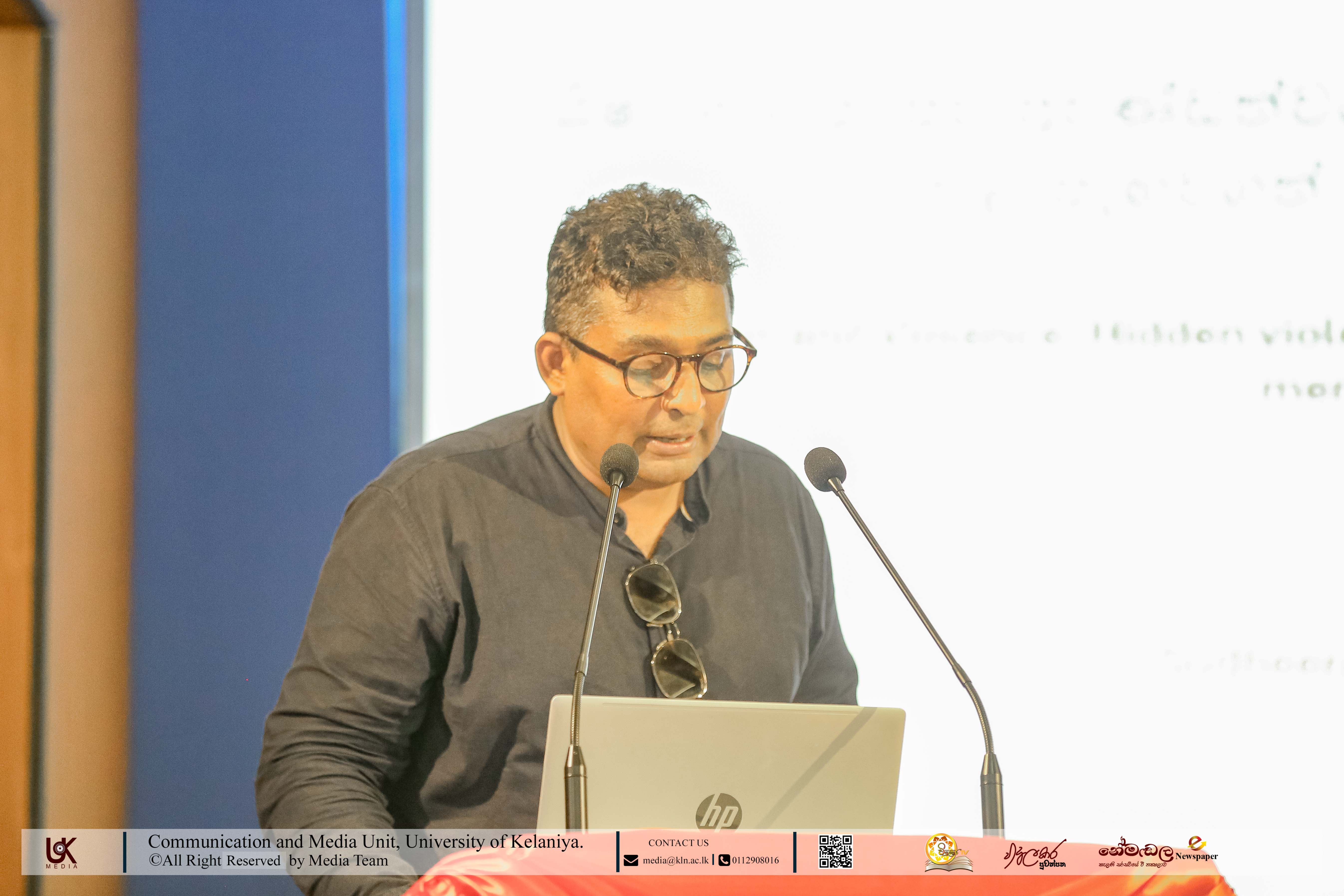
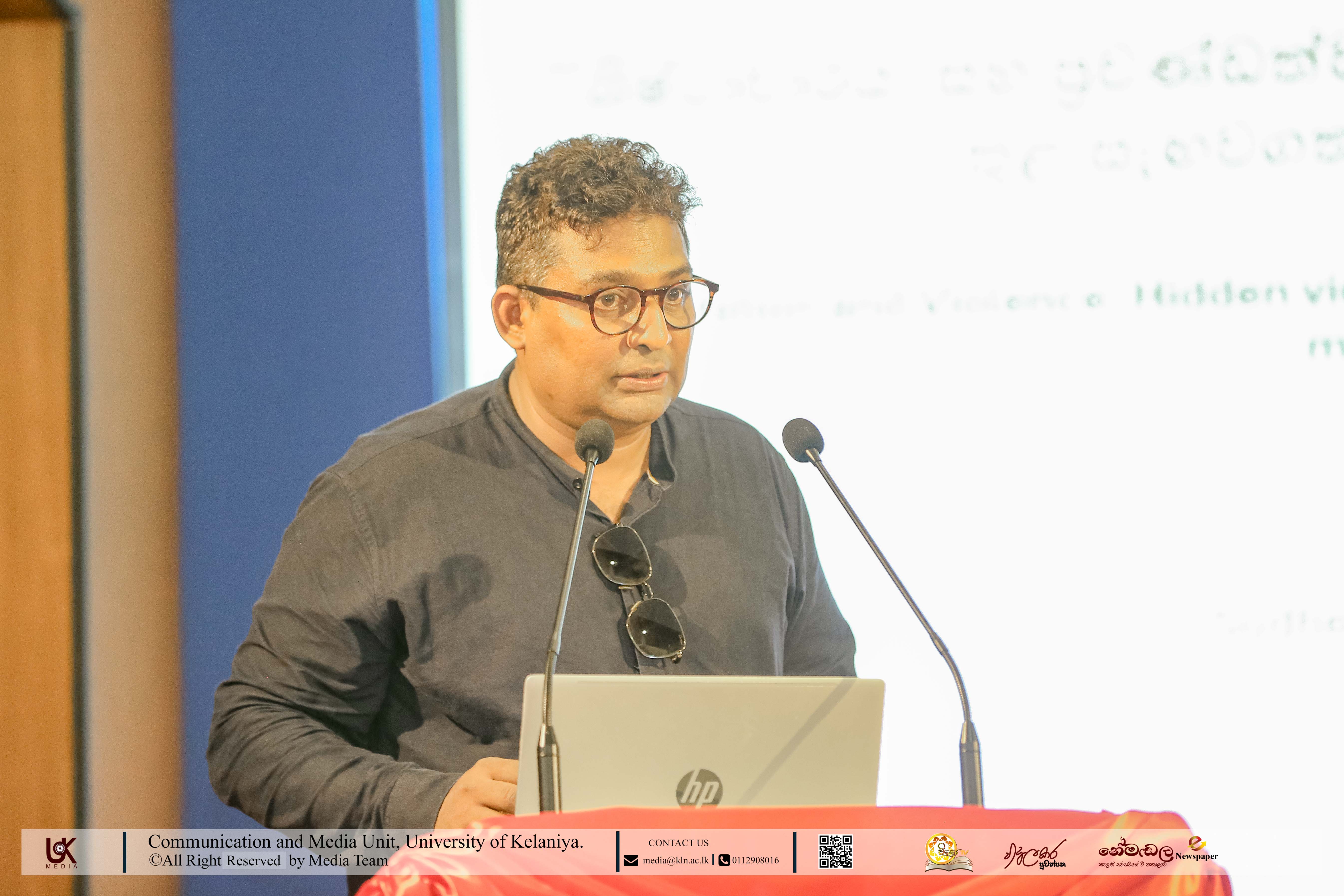
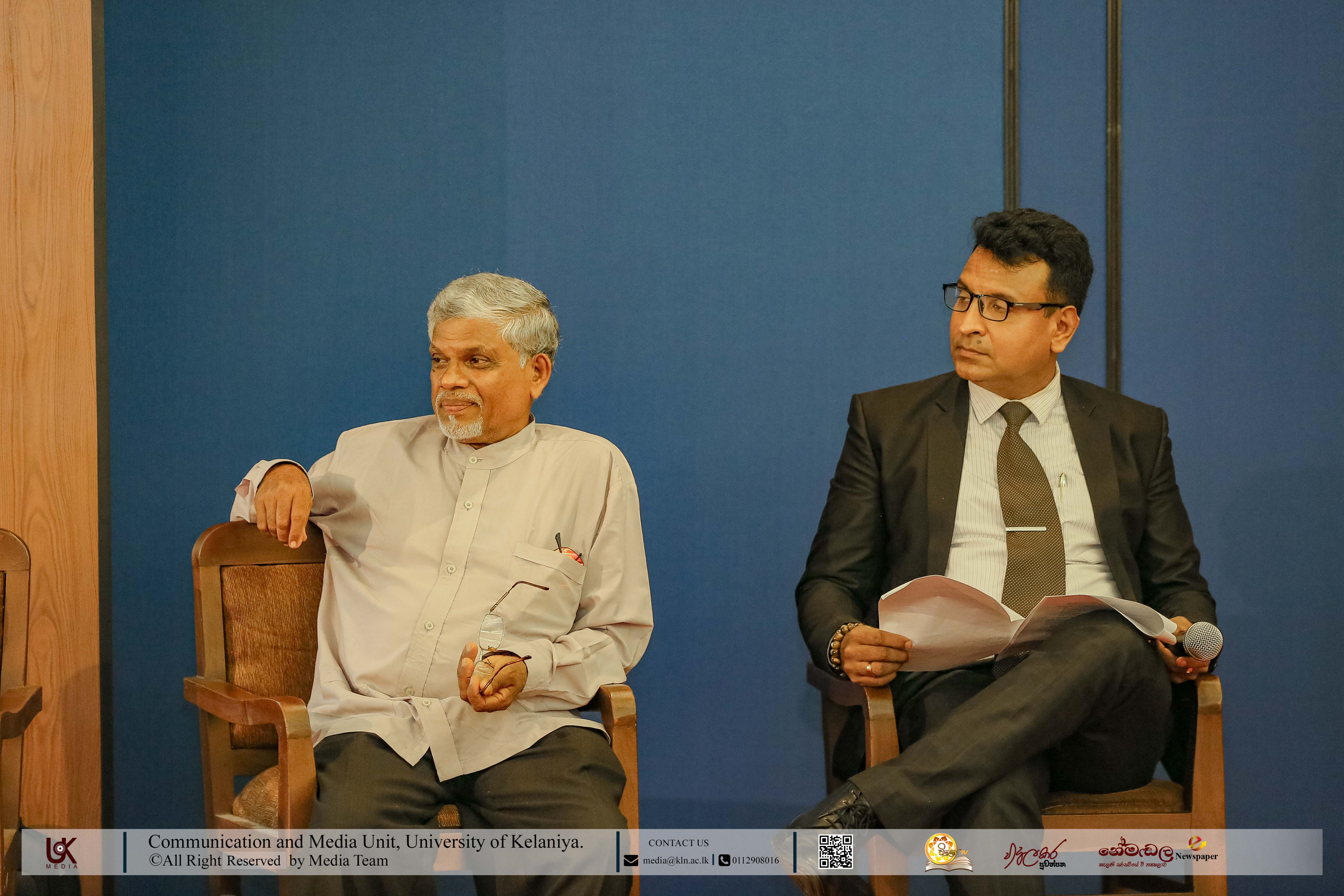
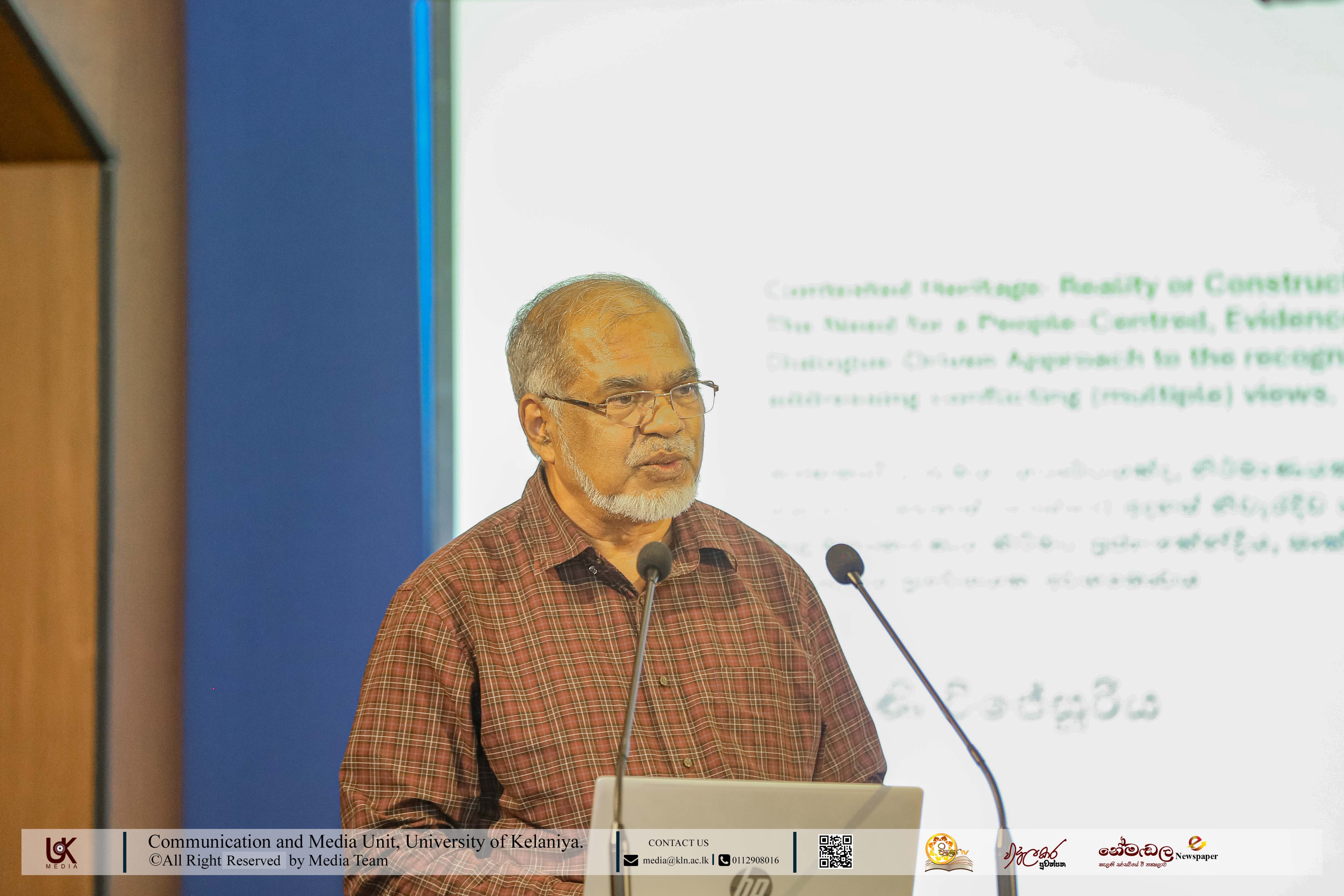
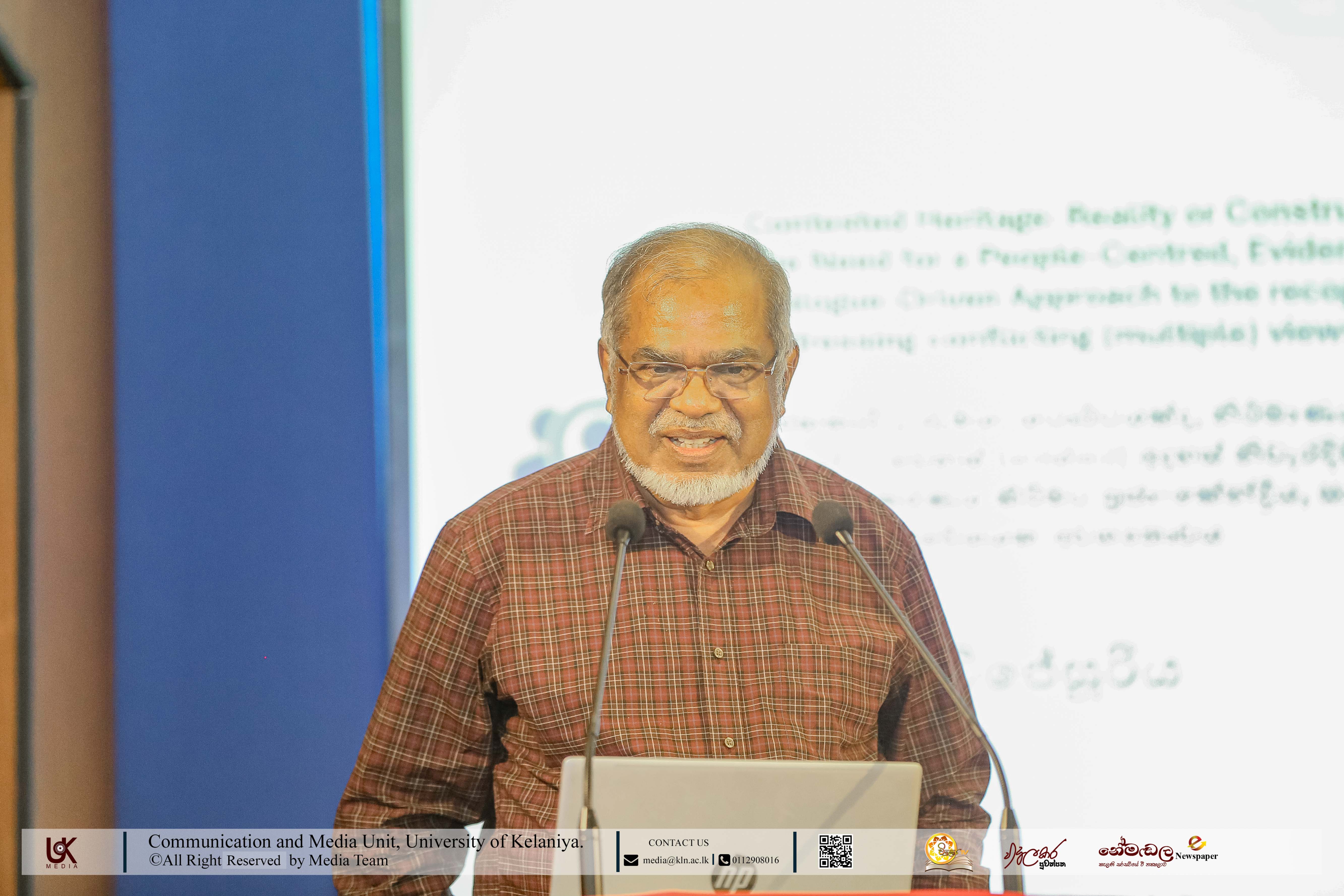
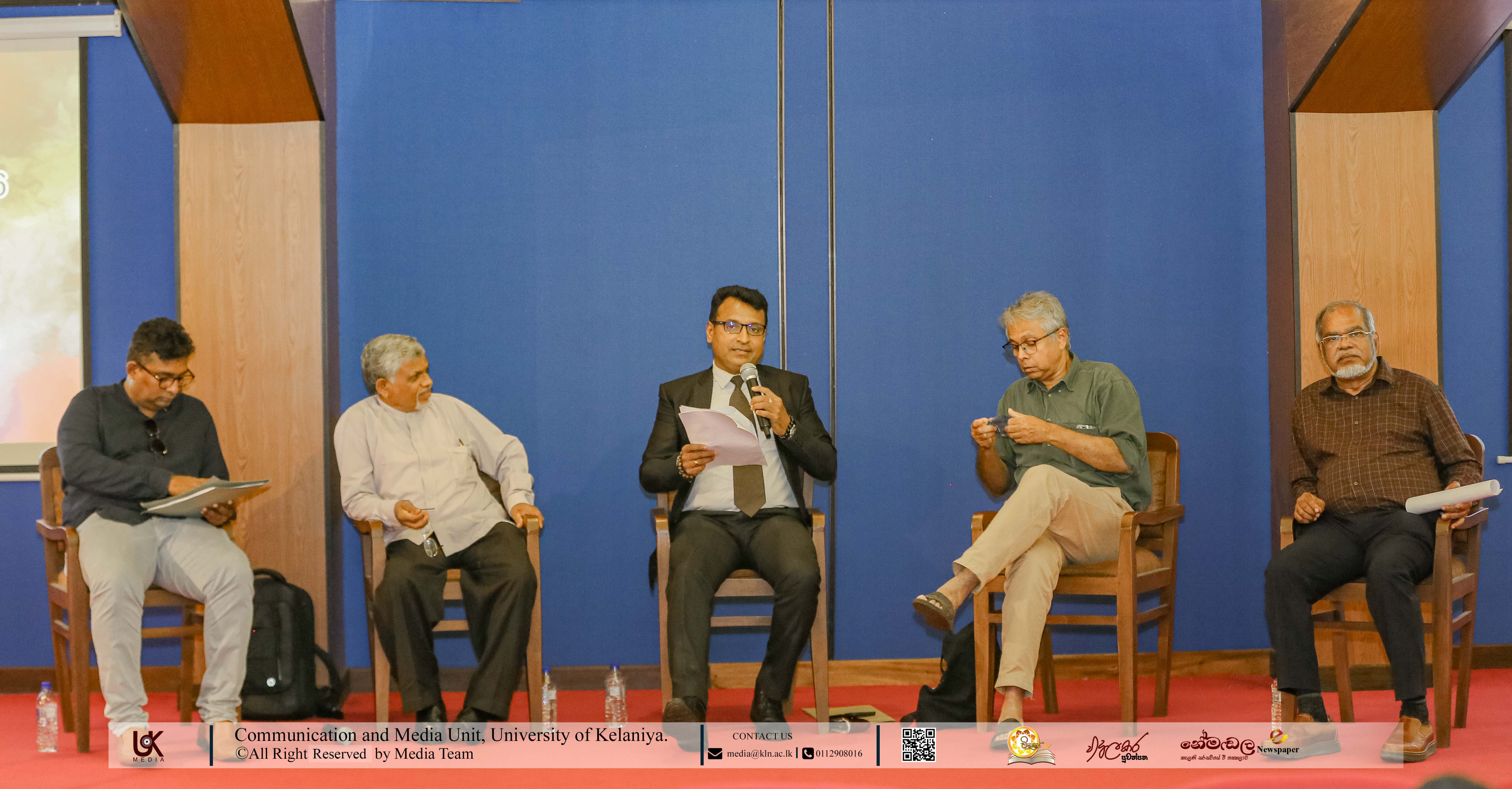
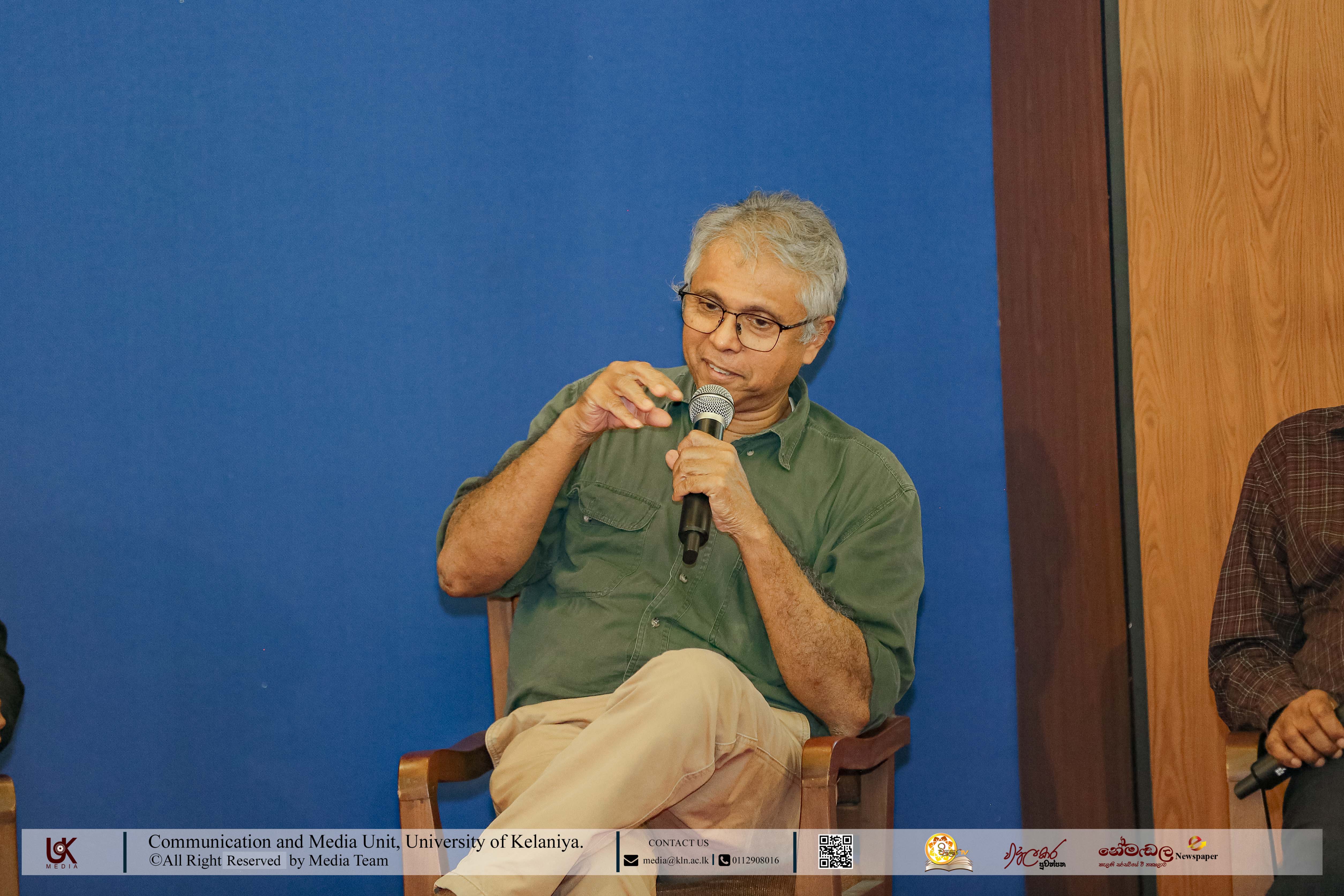
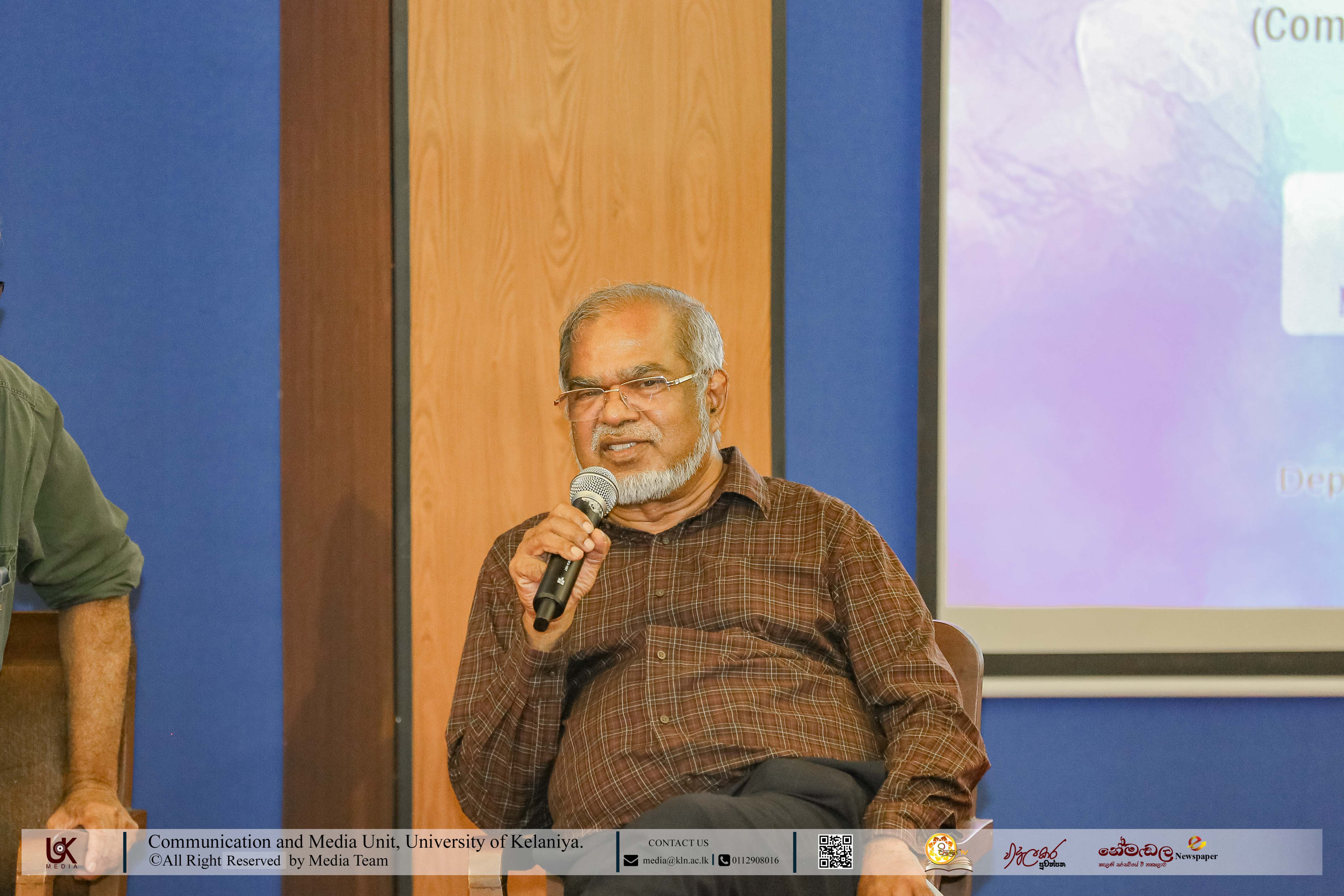
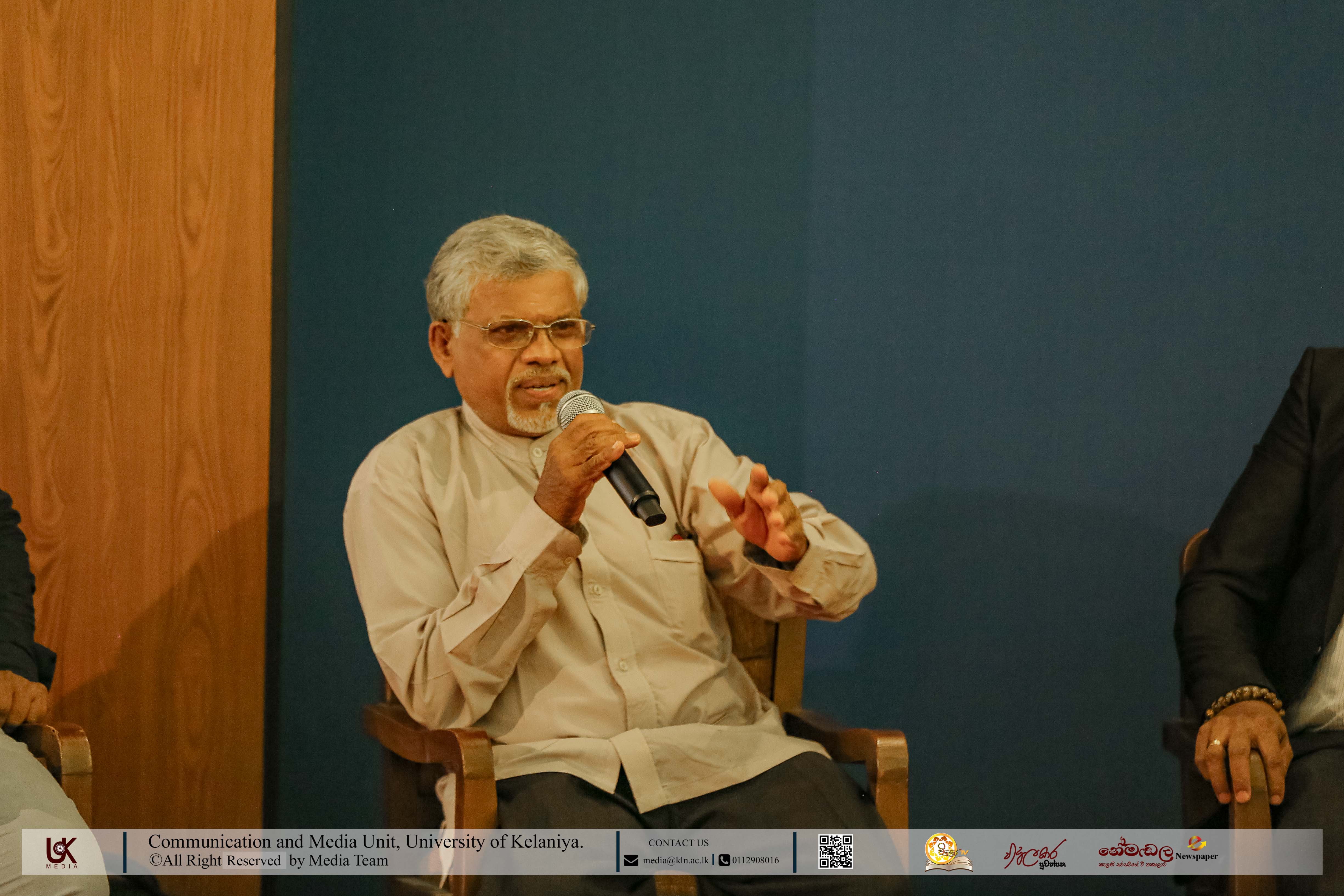
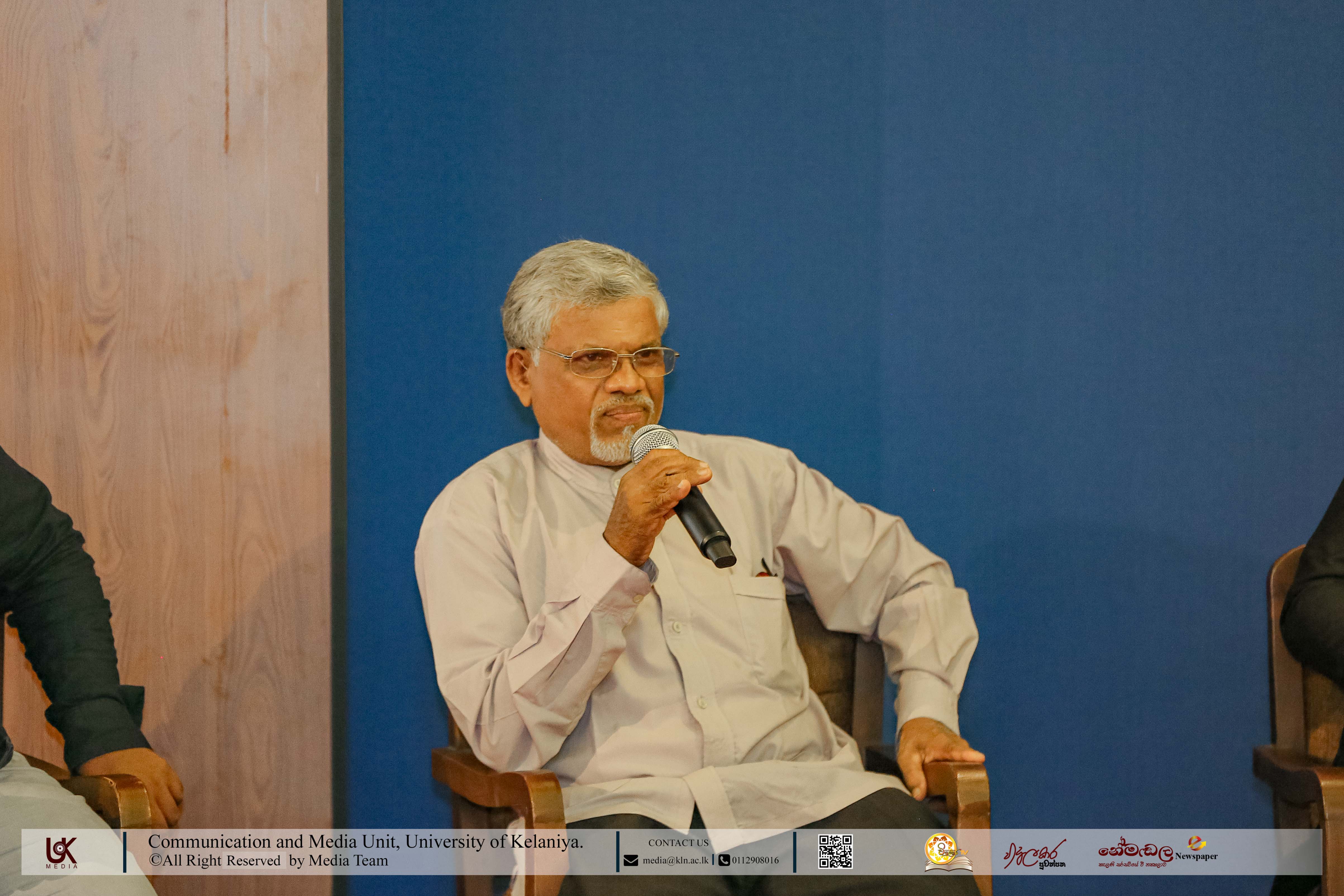
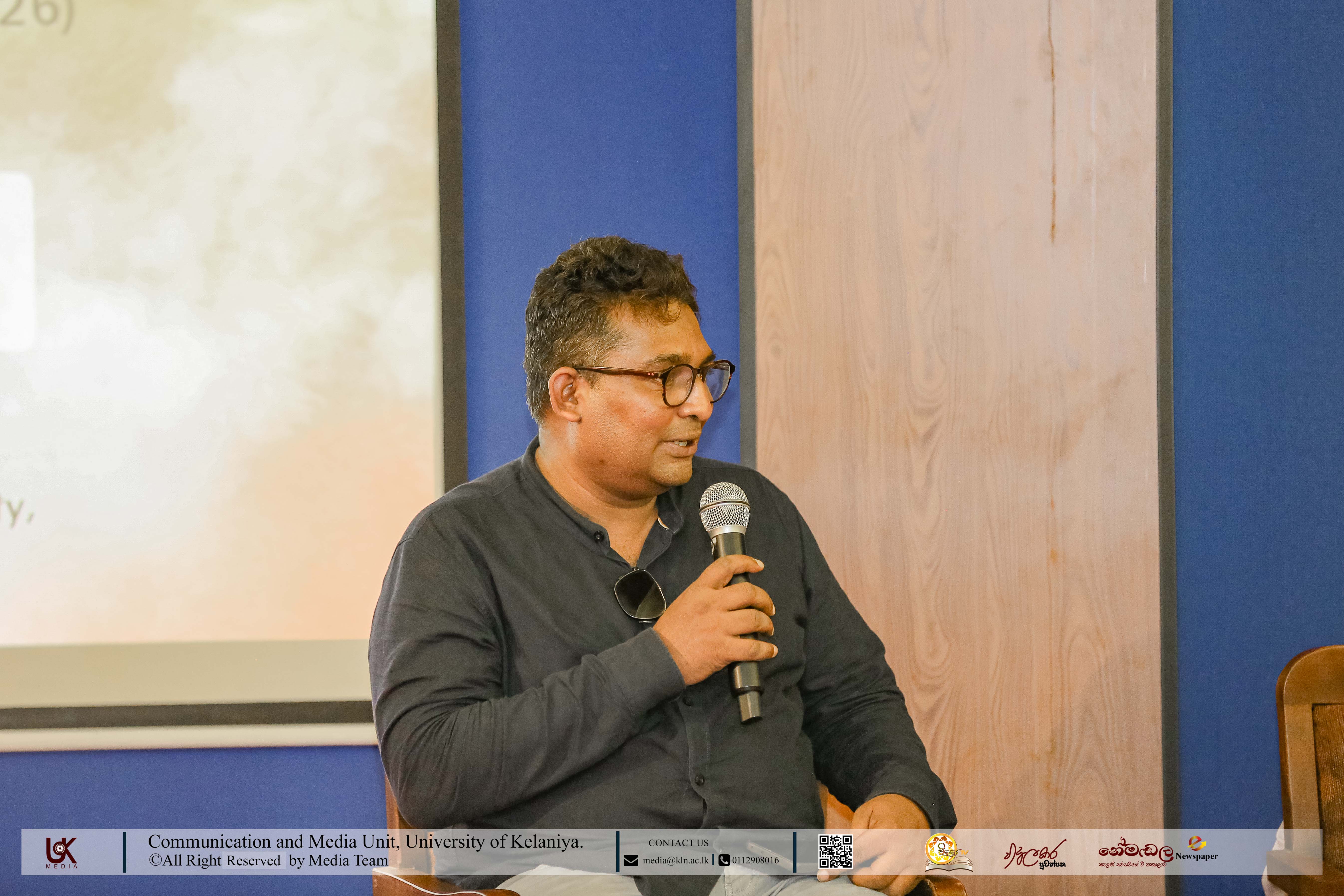
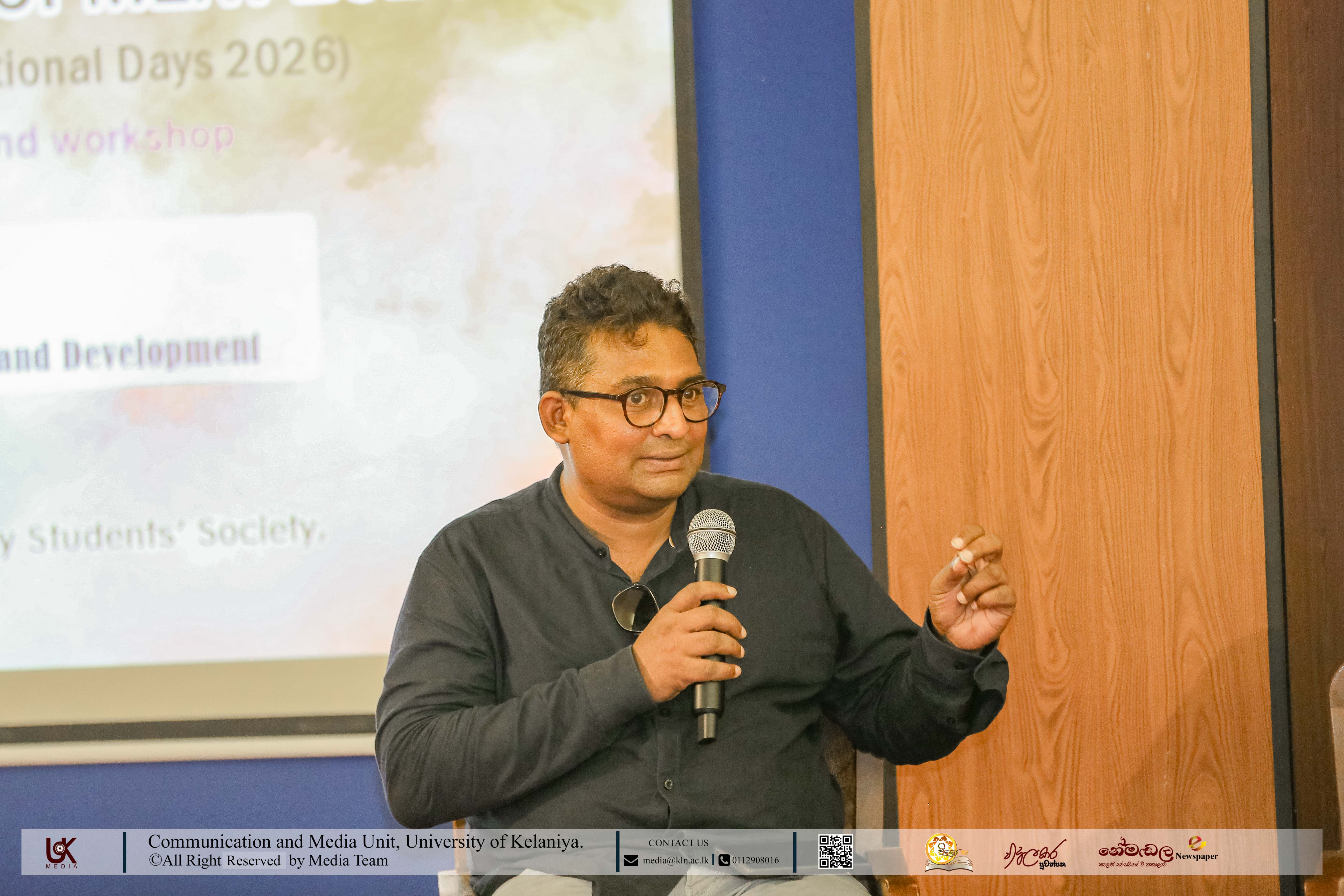
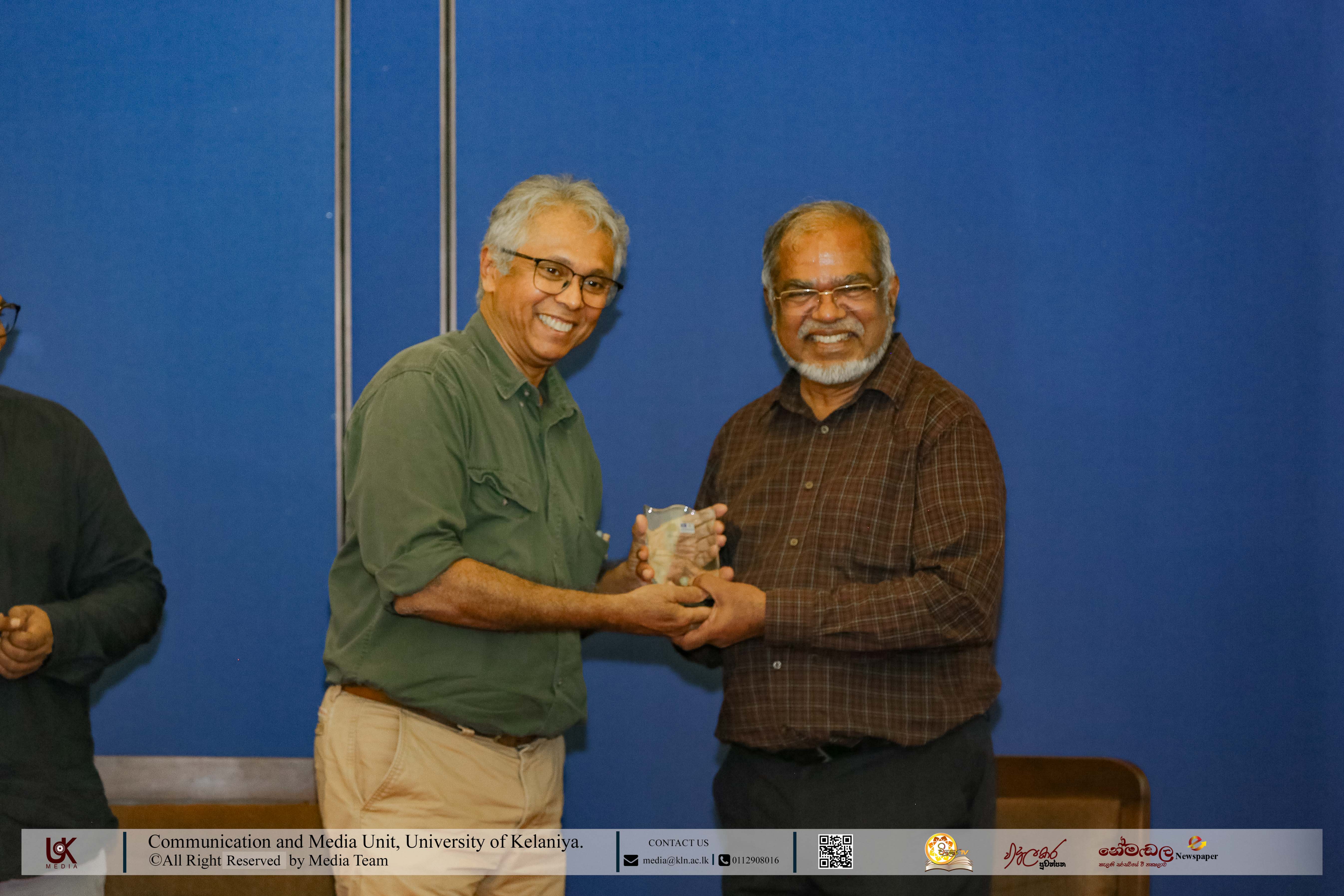
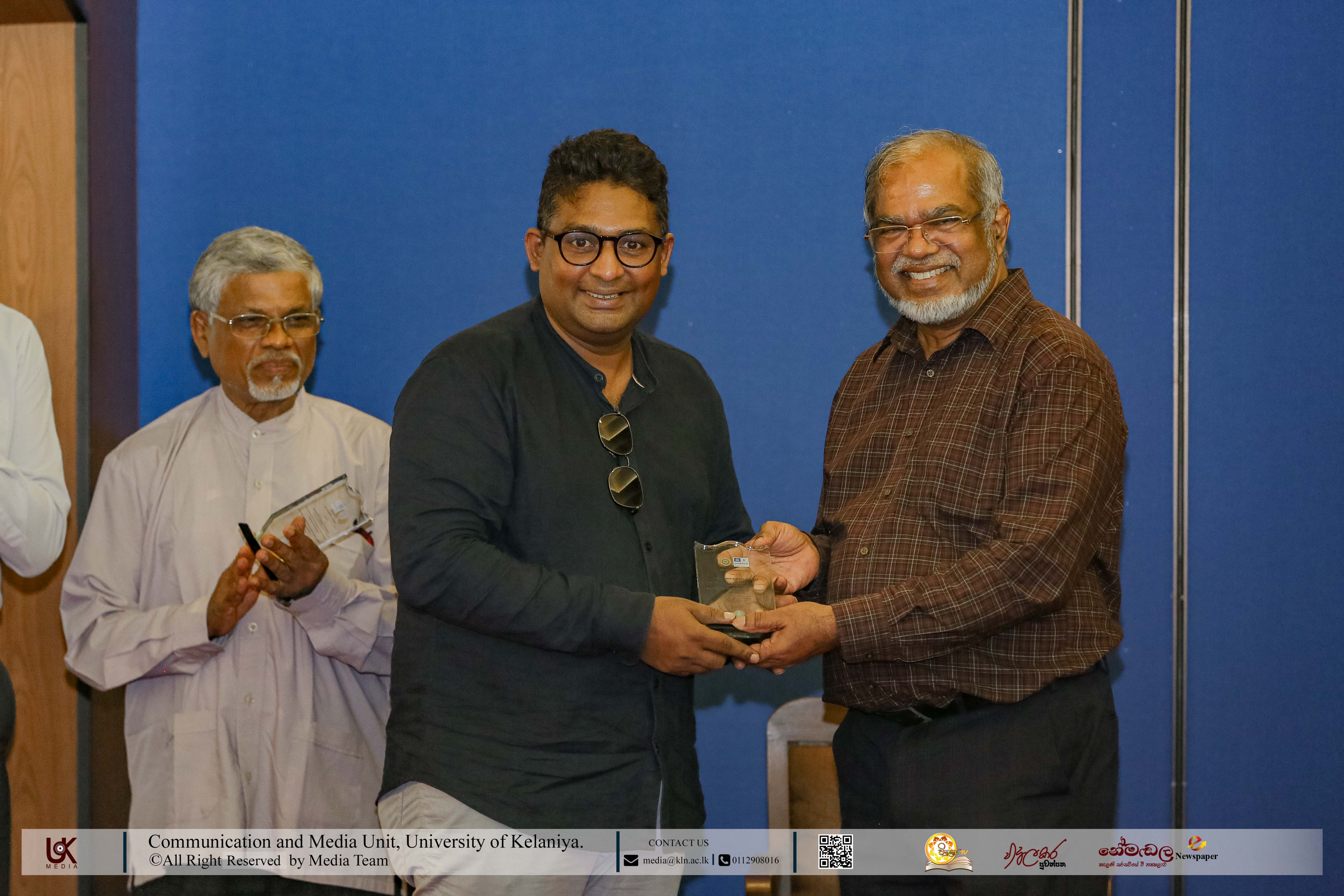
The expert panel discussion brought together several distinguished scholars and professionals who explored diverse dimensions of contested heritage in Sri Lanka. Professor Nirmal Ranjith Dewasiri from the Department of History, University of Colombo, delivered a presentation titled “Heritage, Historical Consciousness and Sinhala-Buddhist Ideology,” while Emeritus Professor S. Krishnarajah from the Department of History, University of Jaffna, spoke on “Who Owns Heritage? Contesting the Past in Jaffna.” Dr Gamini Wijesuriya, Special Advisor to the Director of WHITRAP Shanghai, China, and former Special Advisor to the Director-General of ICCROM, Rome, presented on “Contested Heritage: Reality or Construct? The Need for a People-Centred, Evidence-Based, Dialogue-Driven Approach to the Recognition and Addressing of Conflicting Views,” and Senior Lecturer Sudheera Jayaweera from the Department of Sociology, University of Kelaniya, discussed “Civilization and Violence: Hidden Violence within Heritage and Collective Memory.”
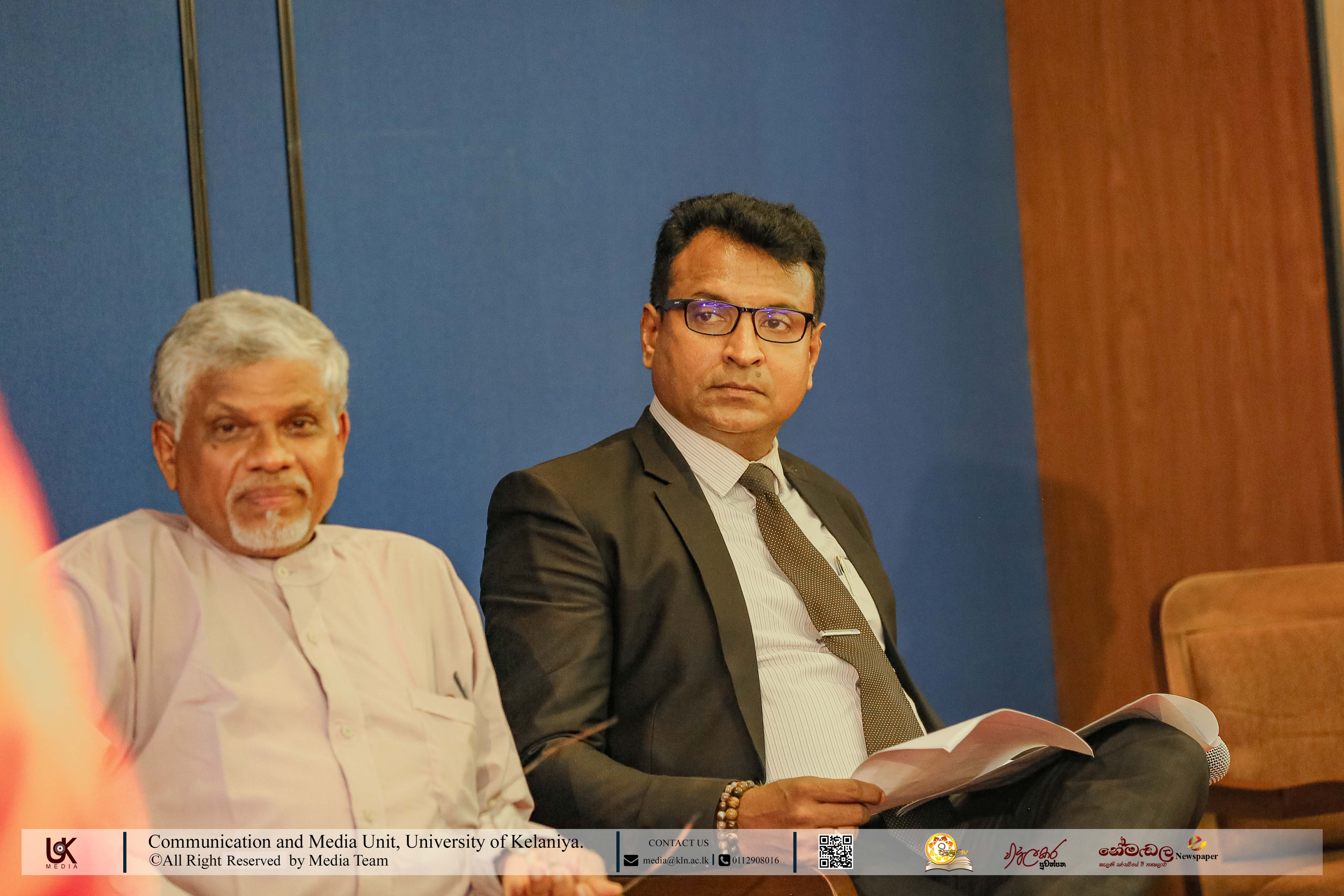
The panel discussion was moderated by Dr Manoj Jinadasa, Senior Lecturer and Head of the Department of Mass Communication, University of Kelaniya.
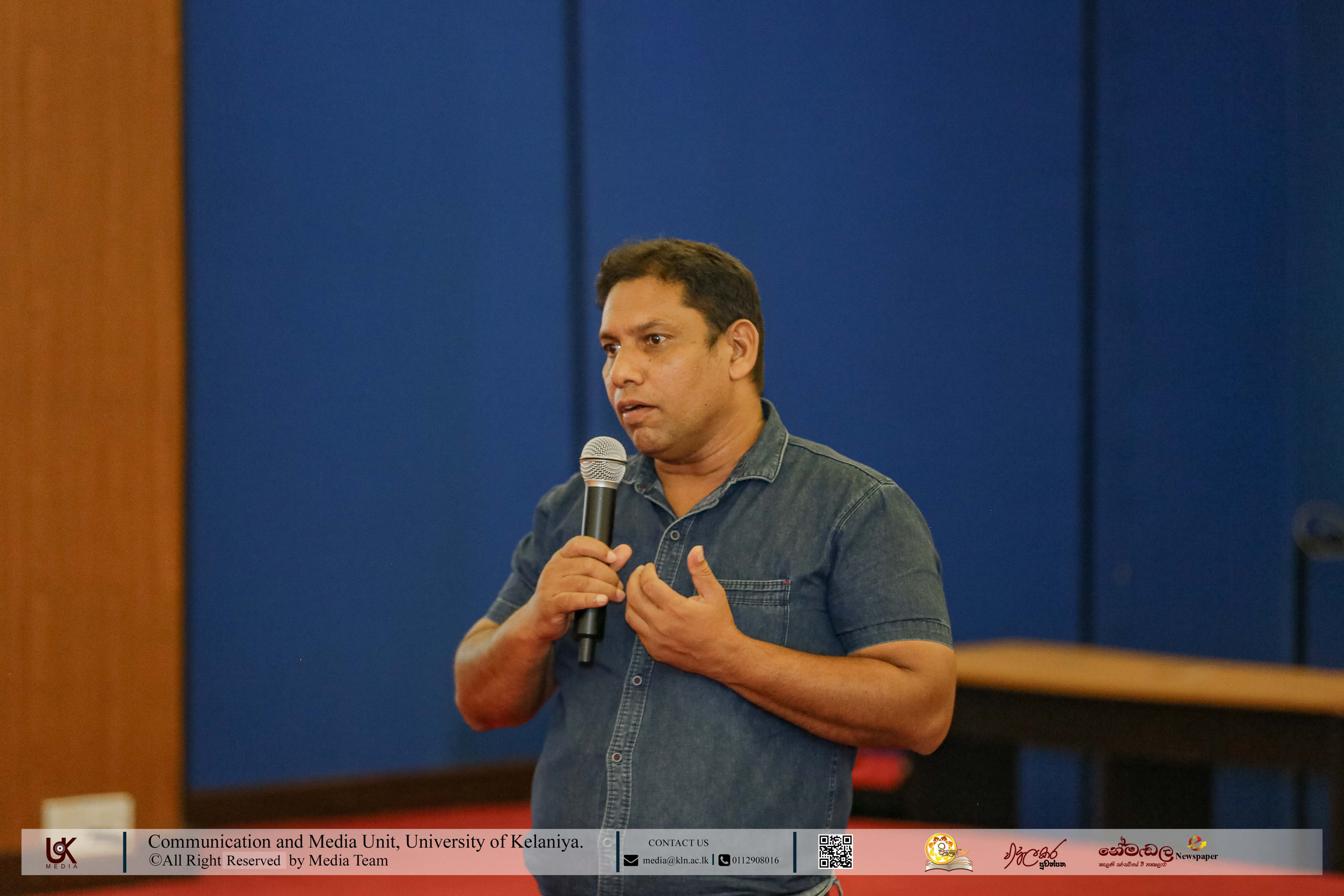
The discussions throughout the day generated meaningful academic engagement on issues of identity, memory, heritage interpretation, conflict sensitivity, and the importance of dialogue-based approaches to heritage management.
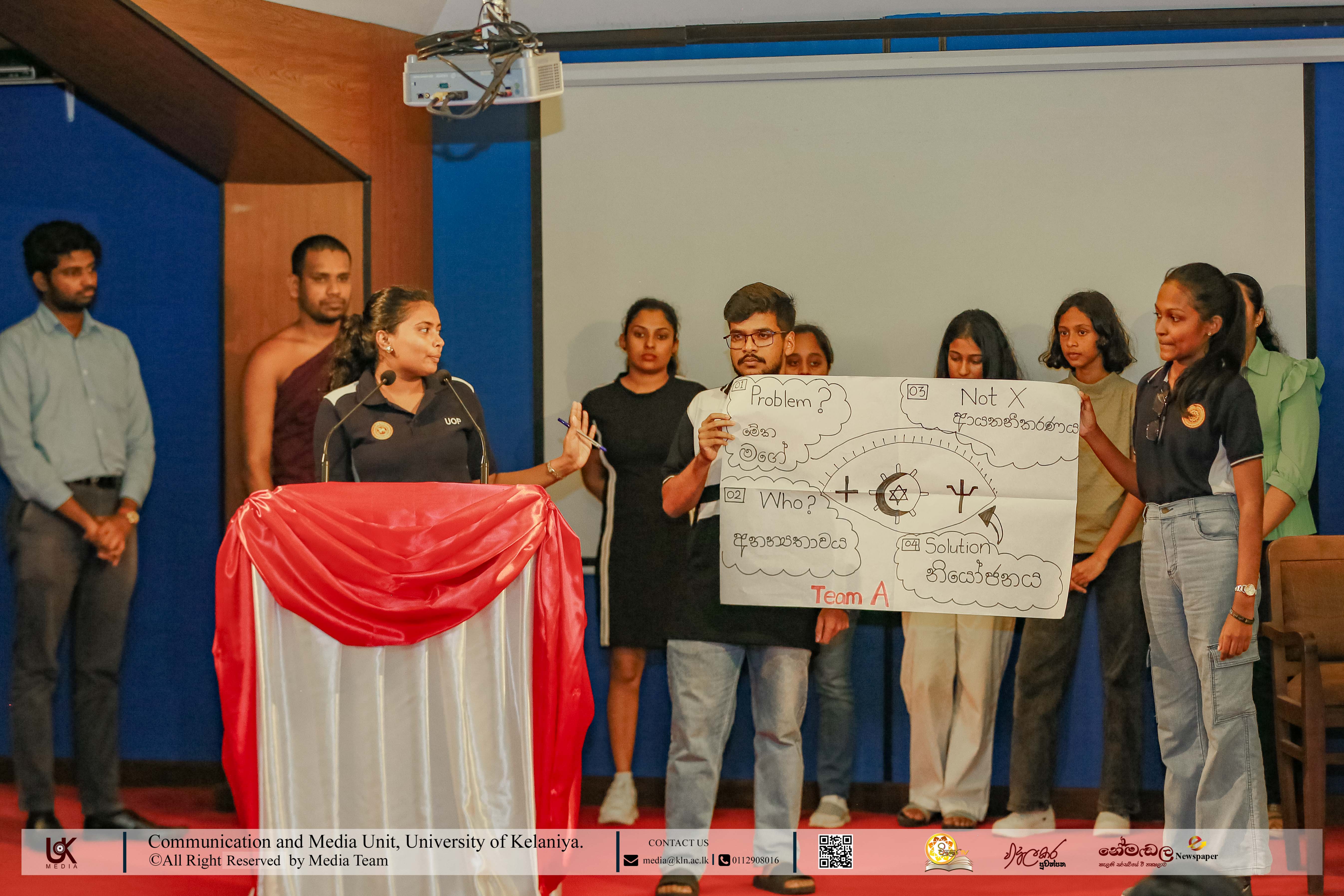
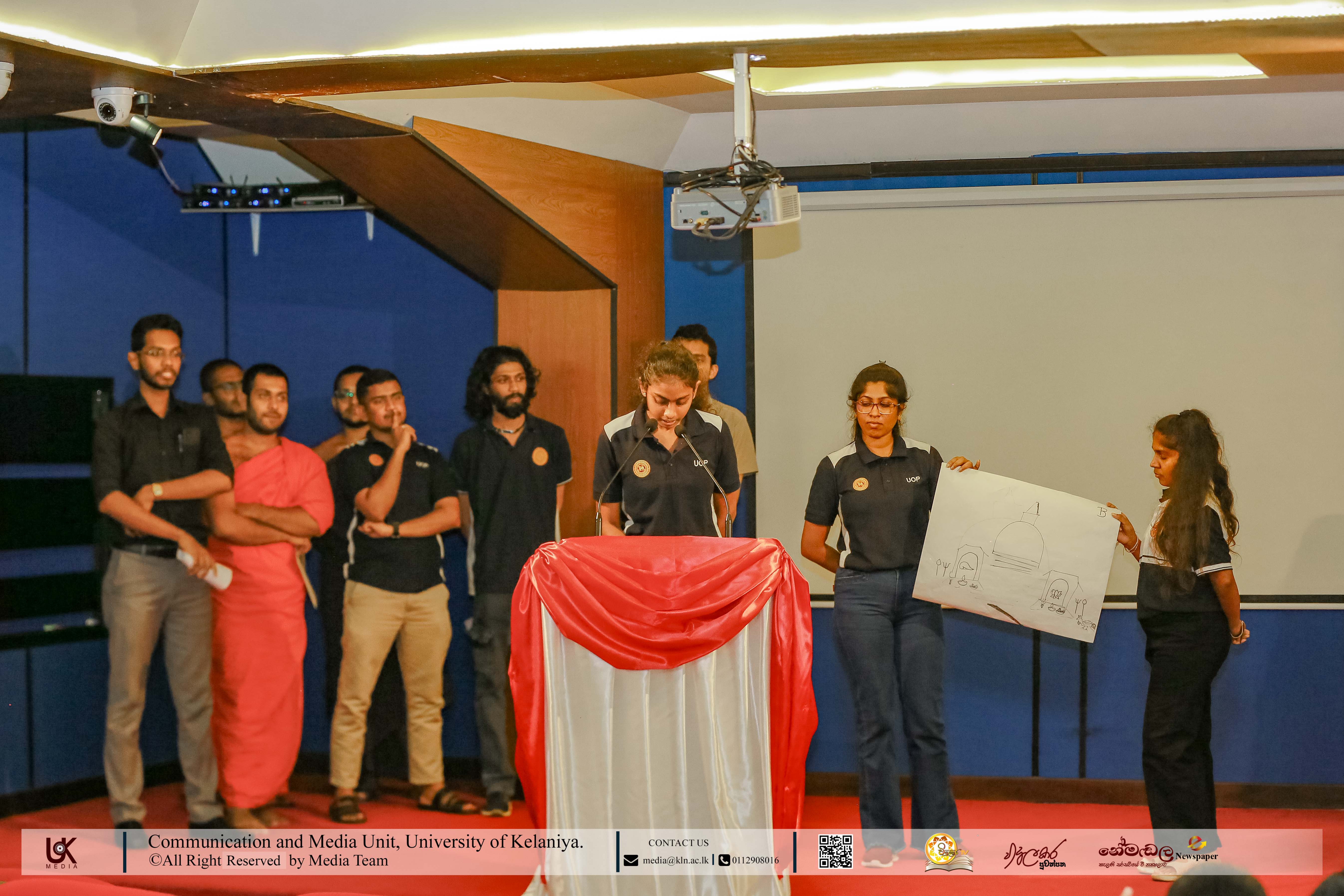
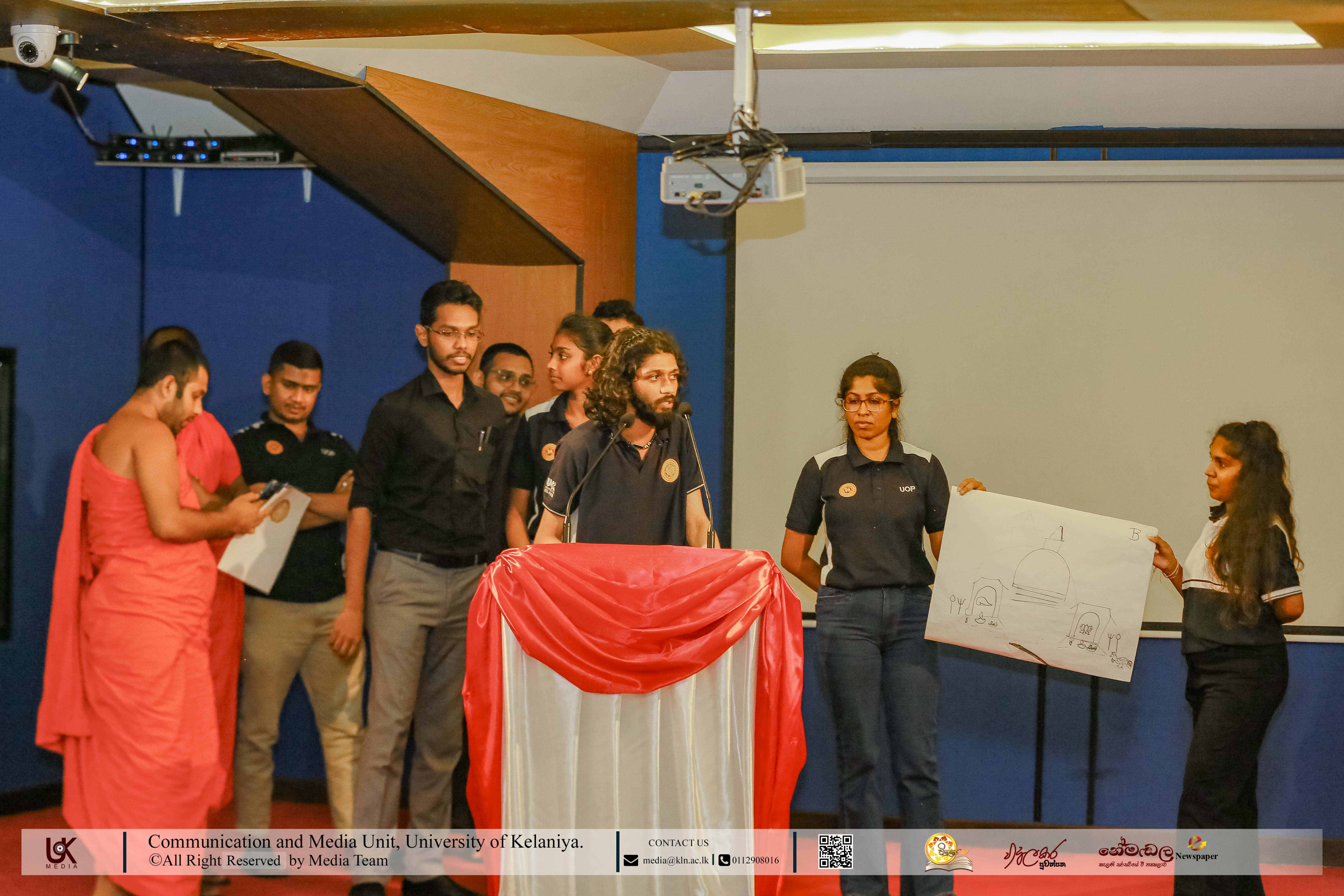
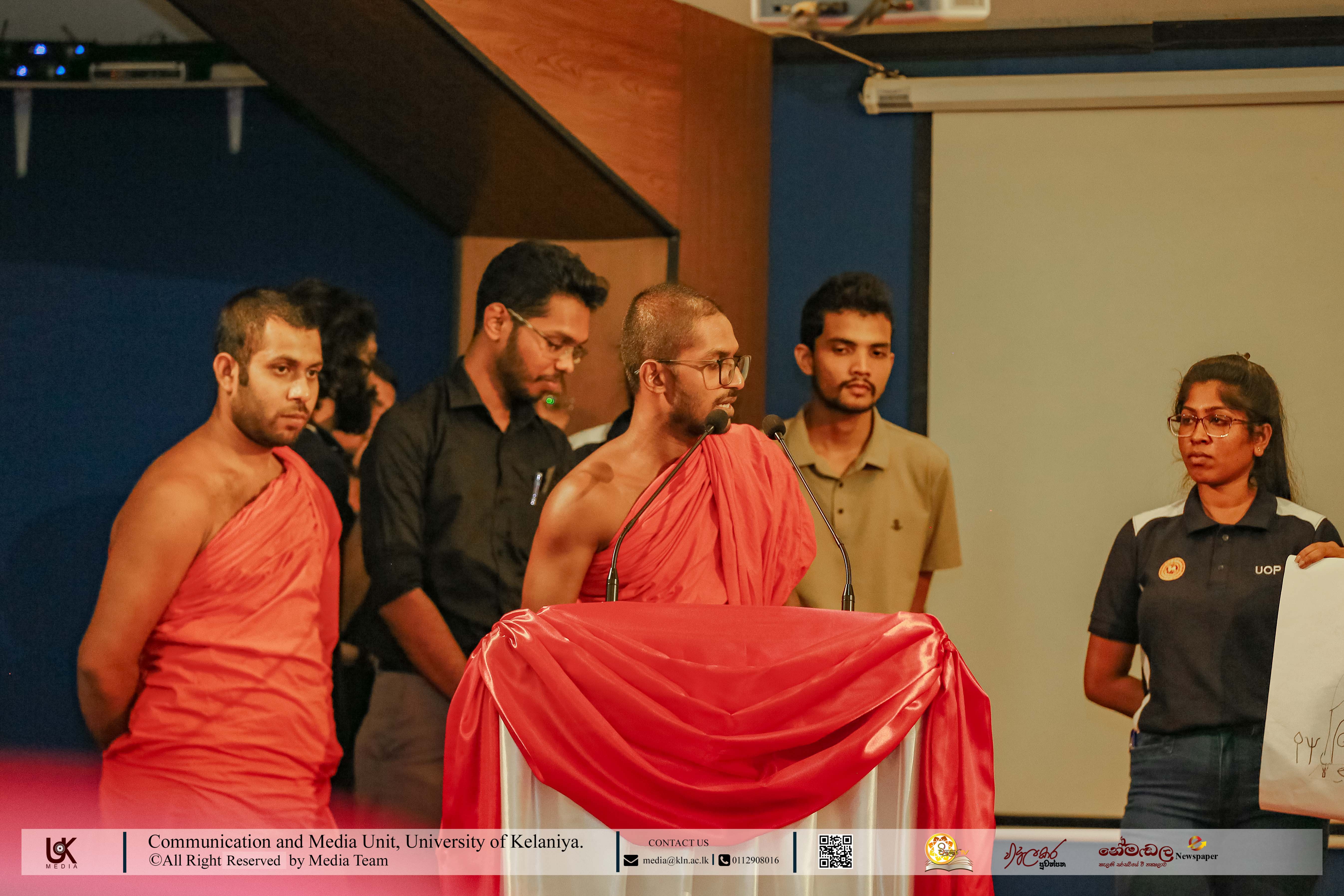
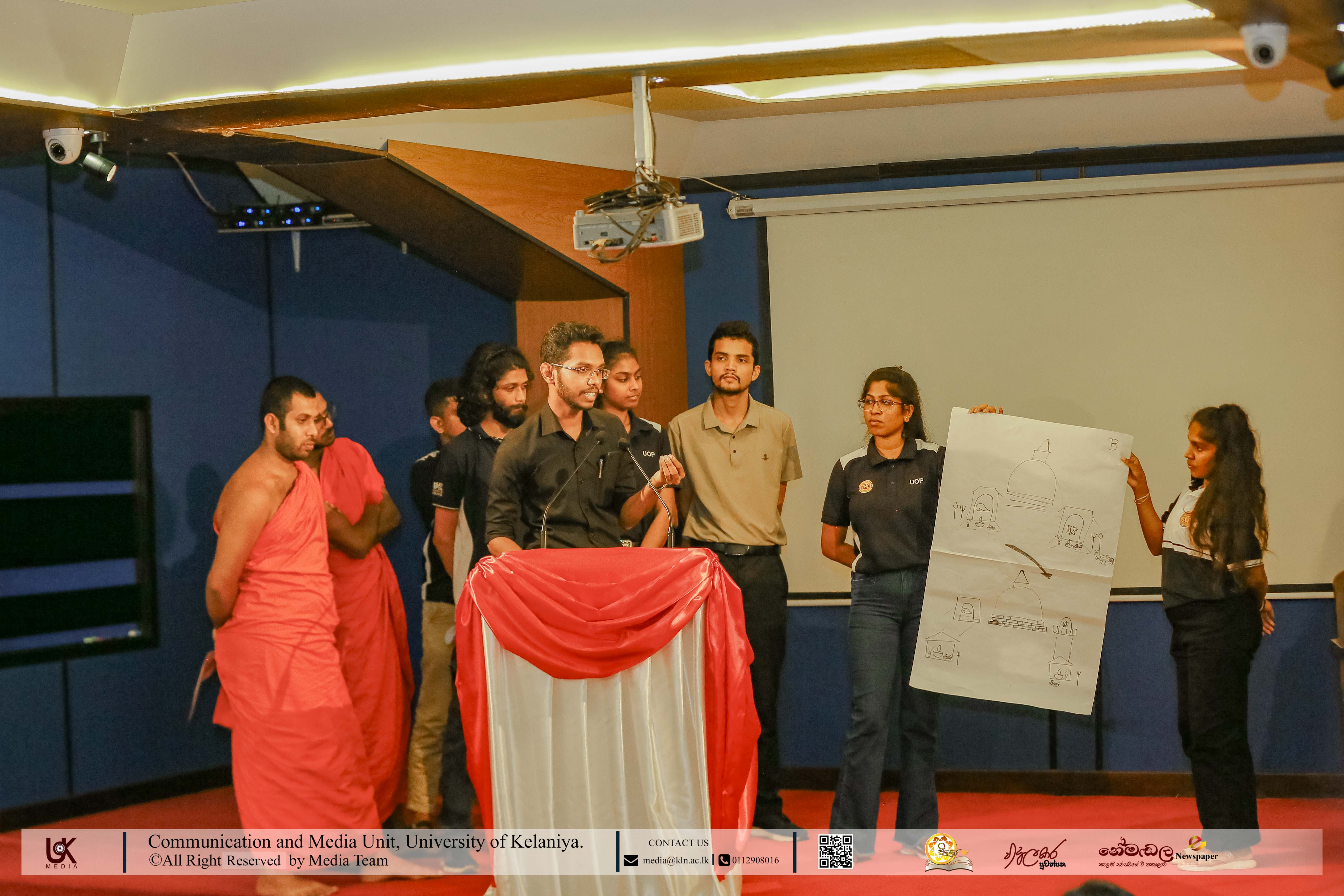
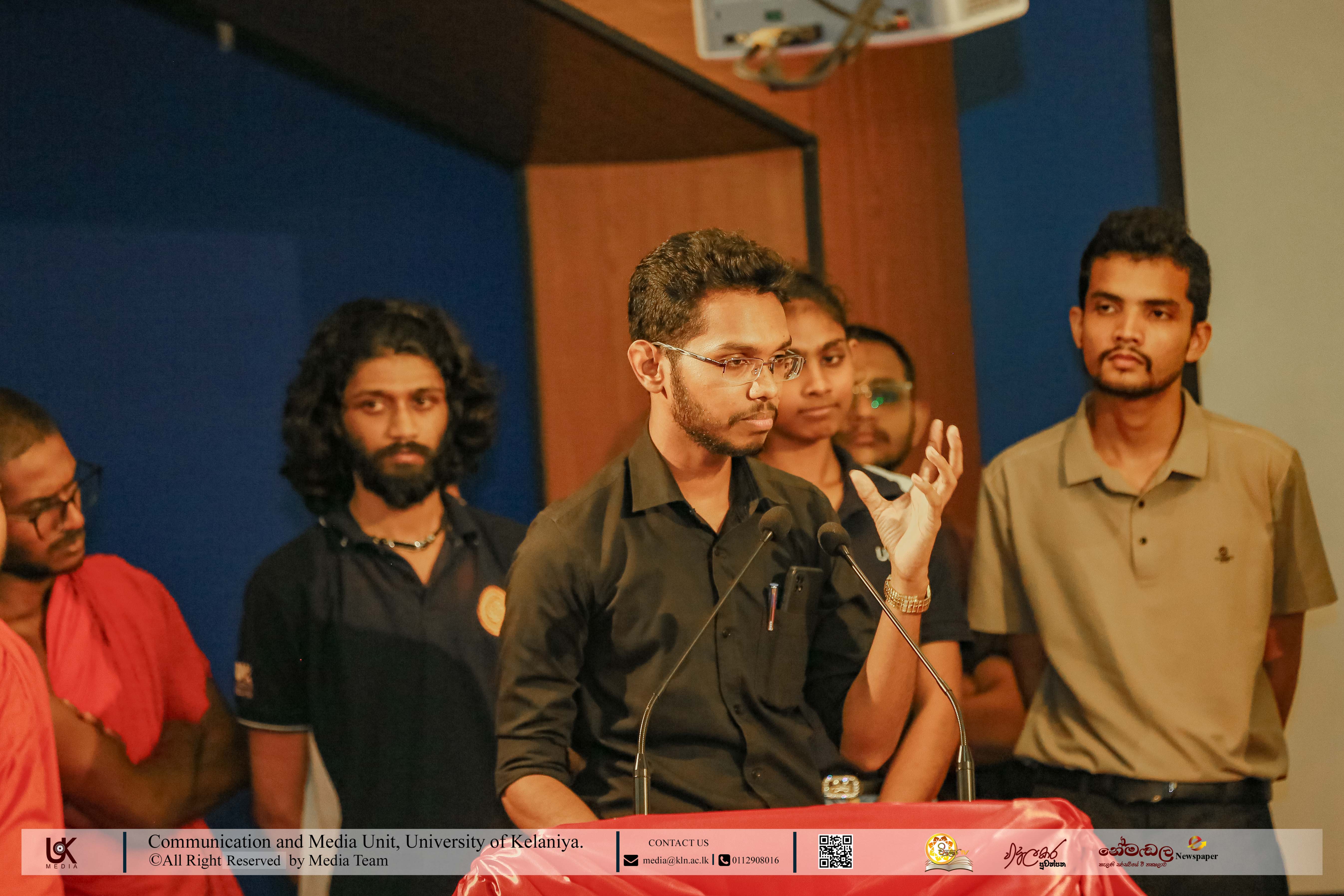
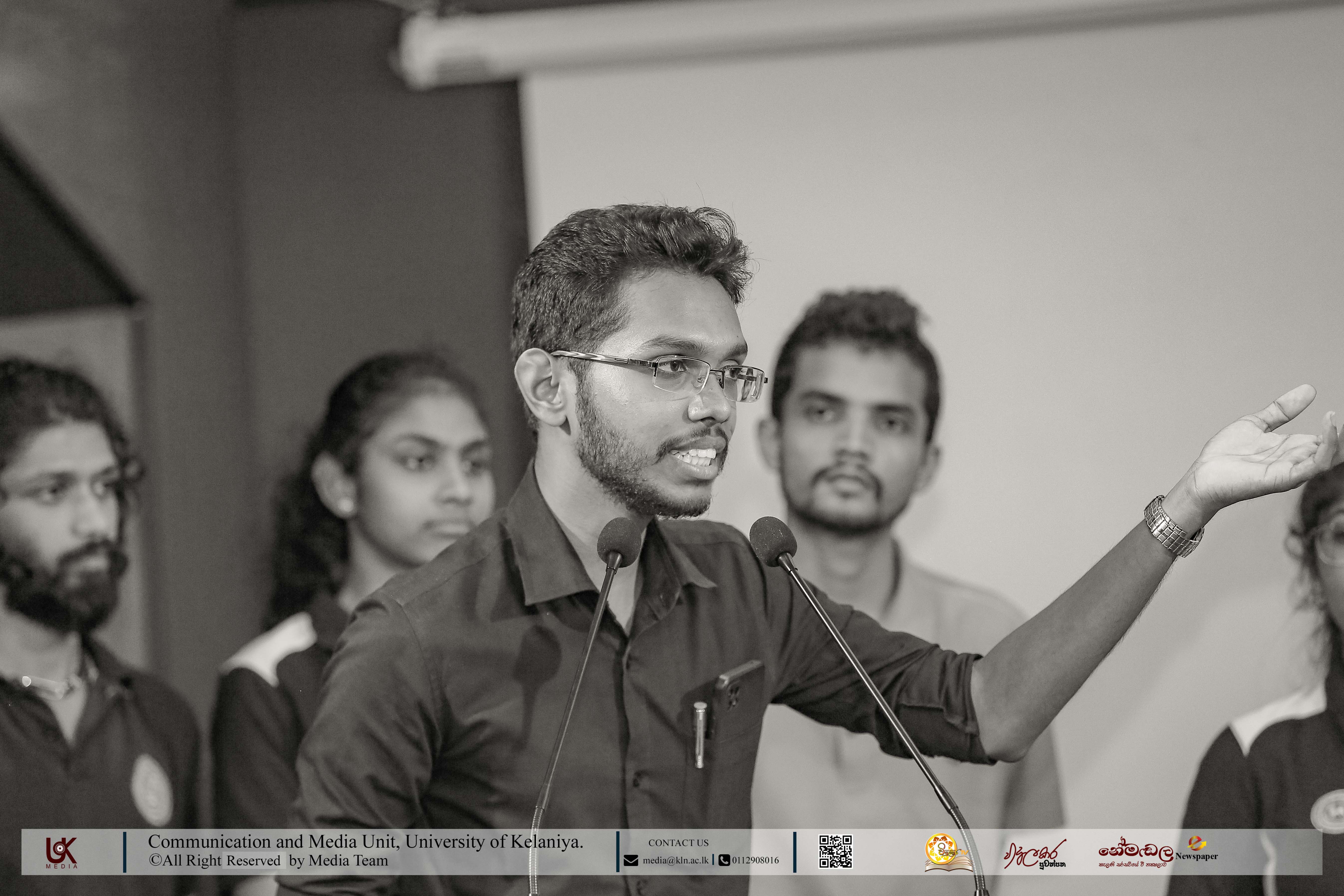
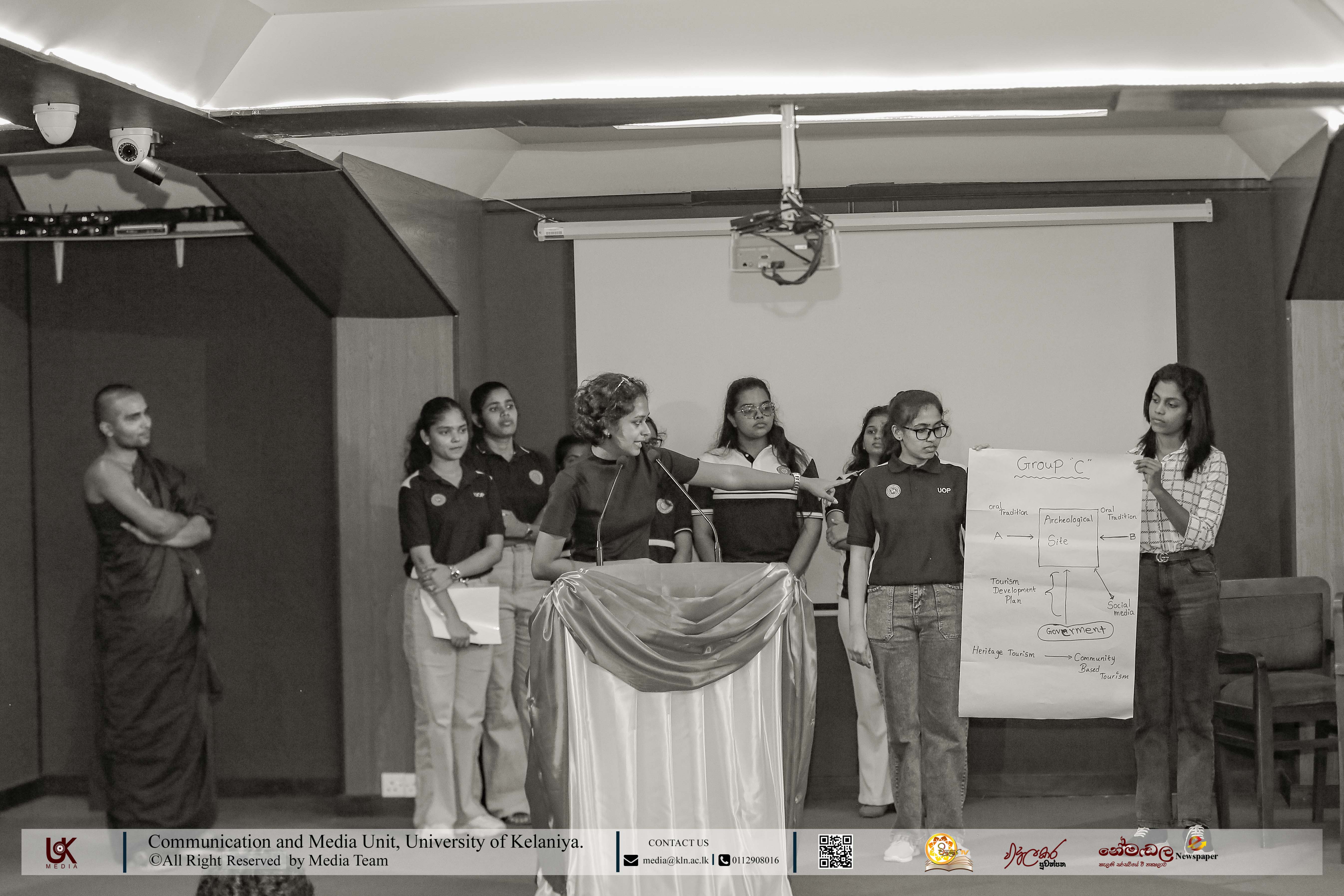
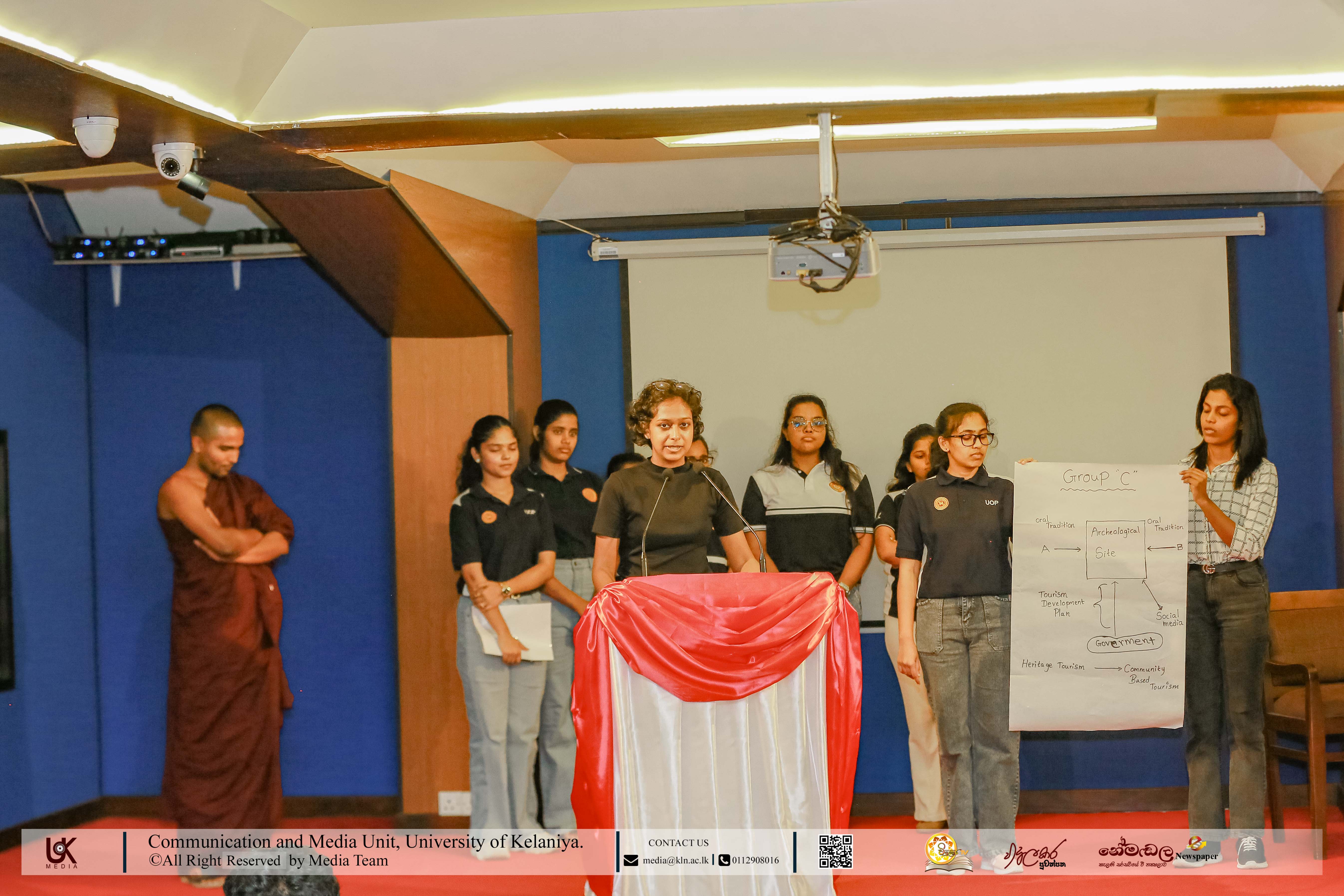
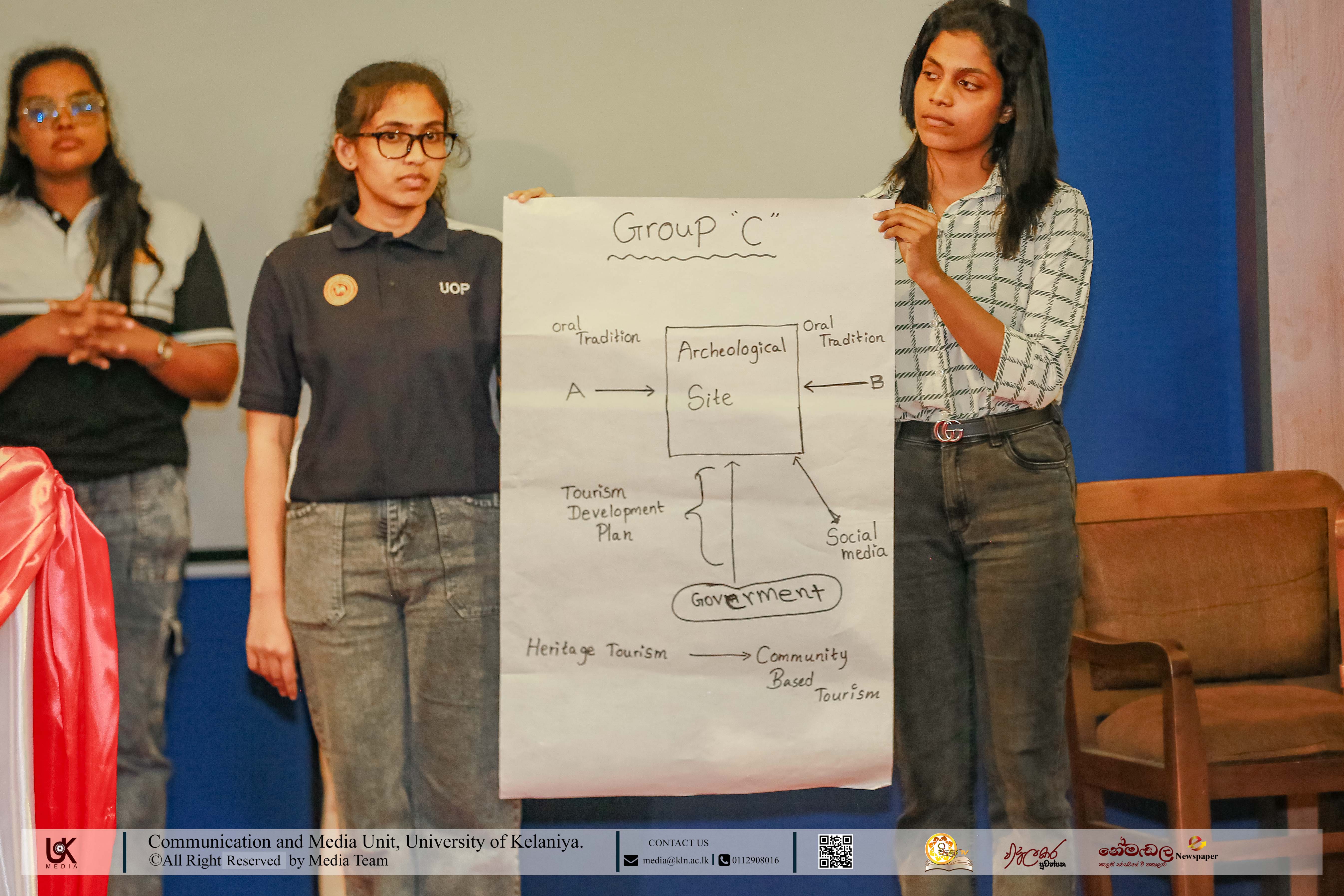
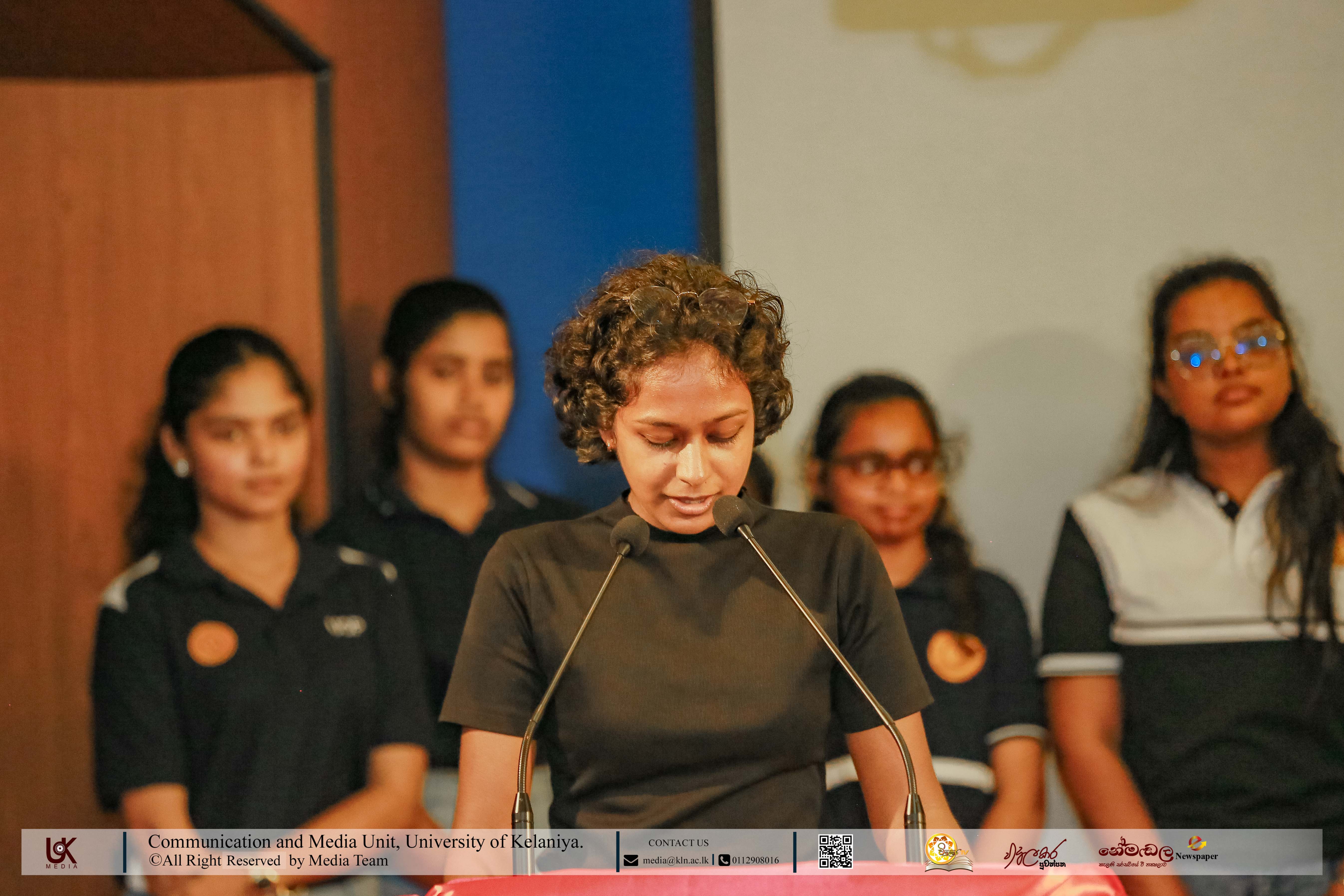
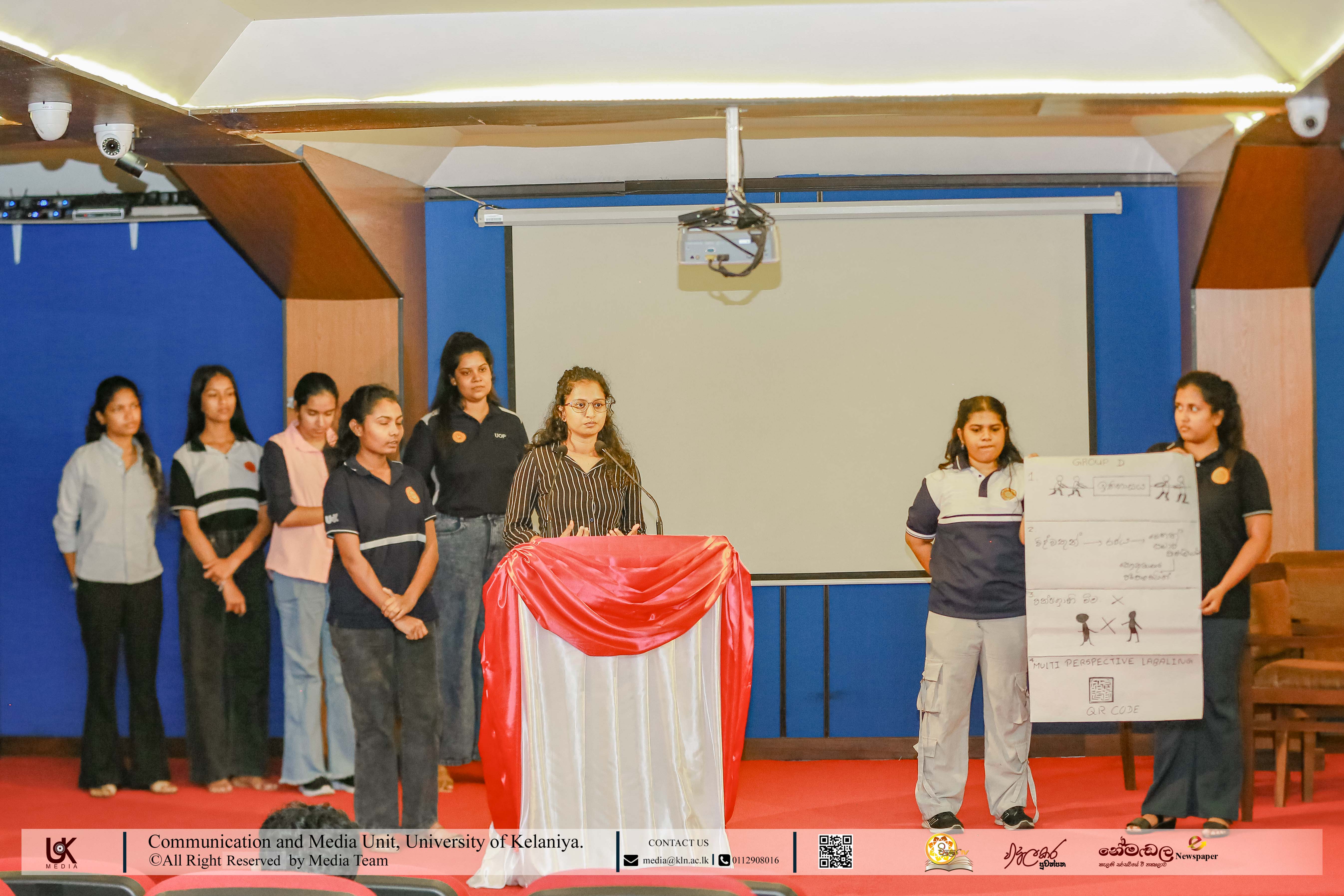
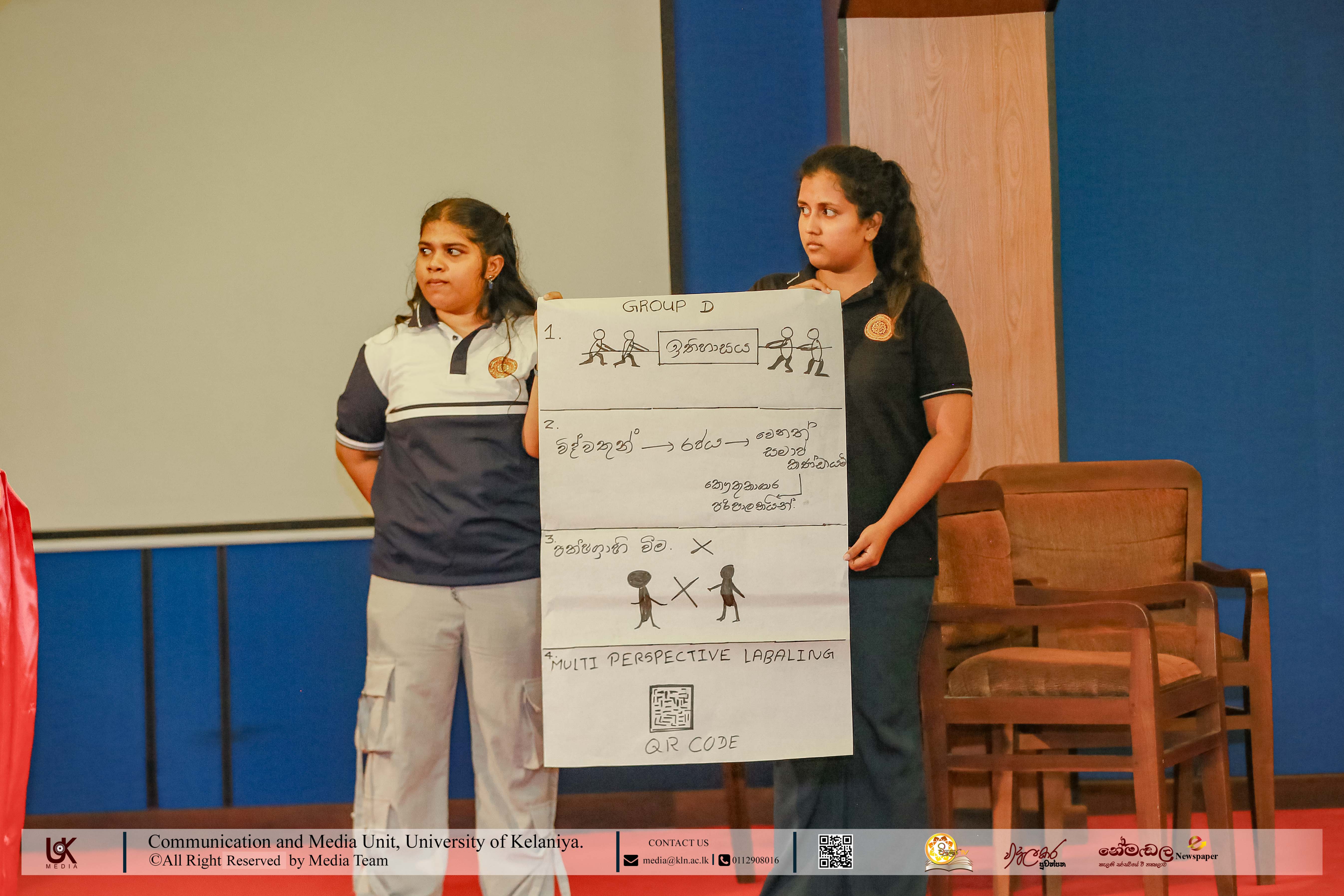
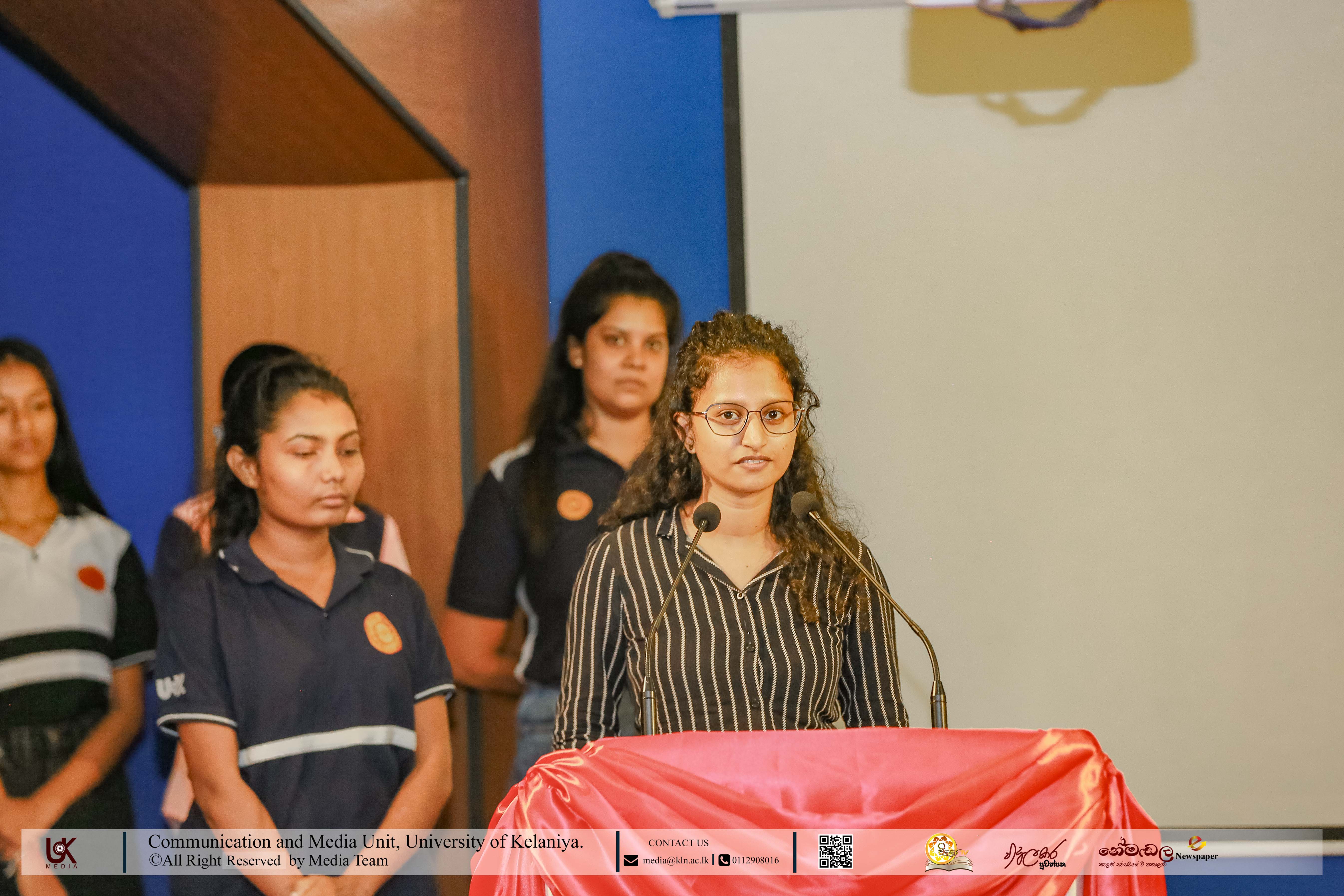
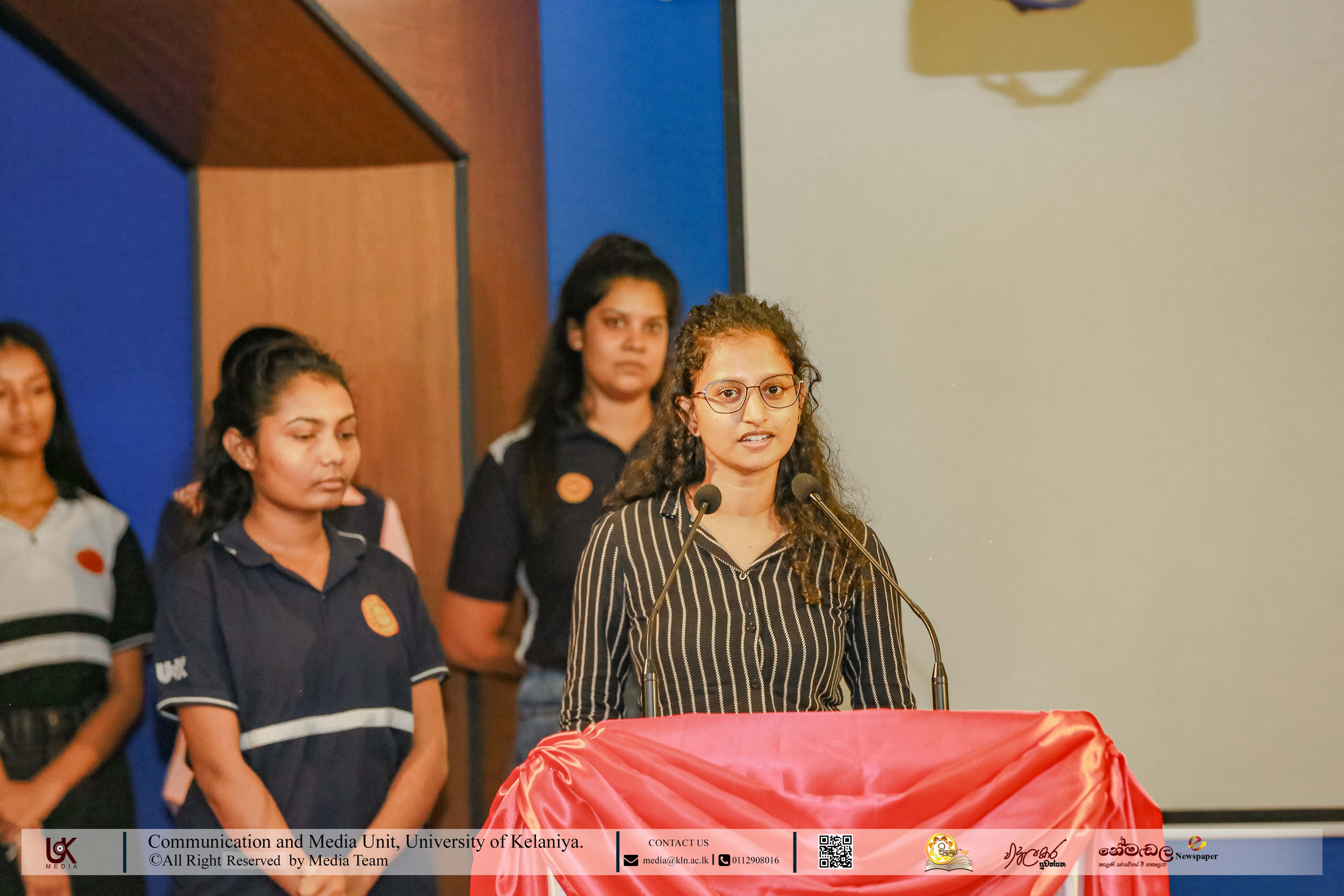
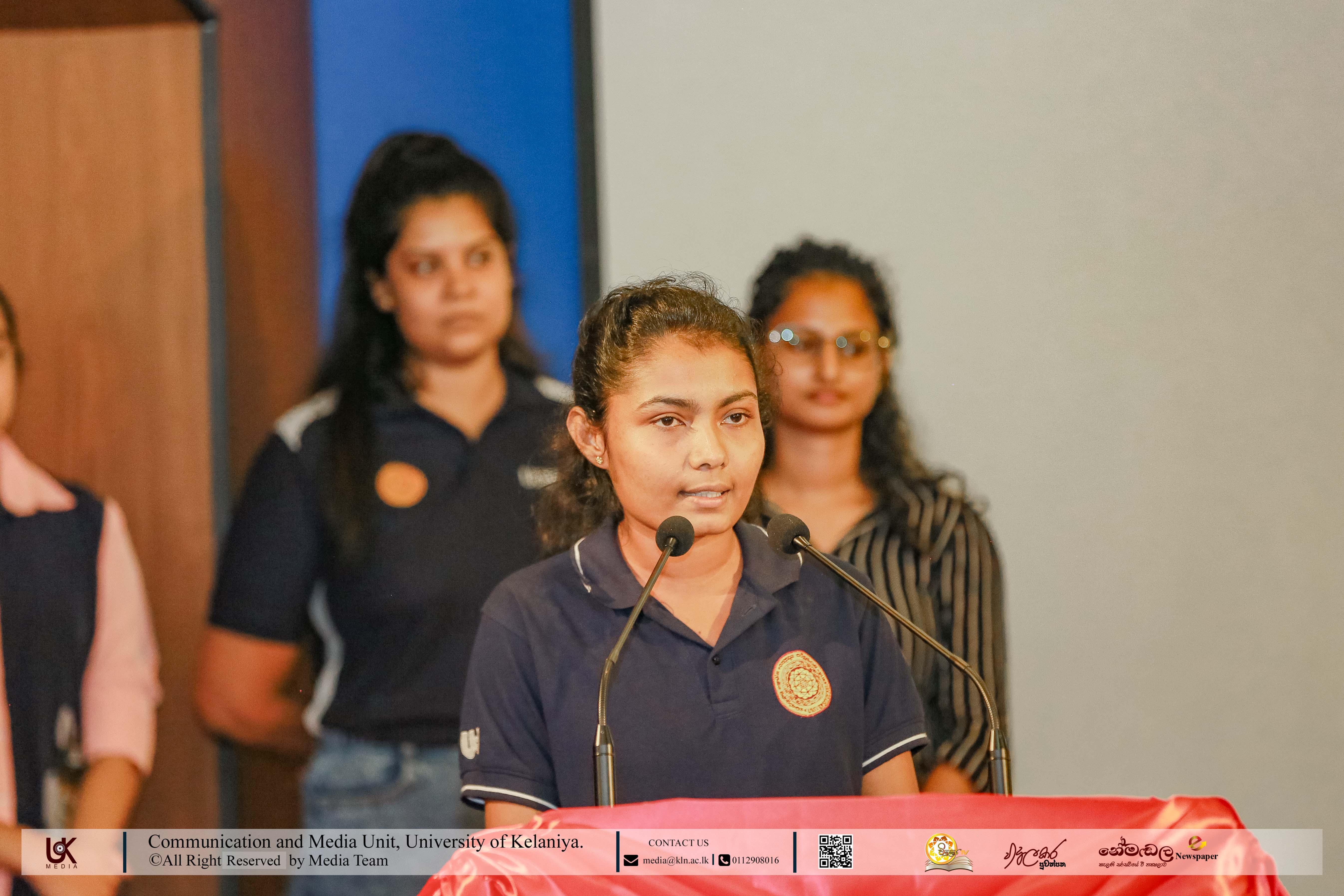
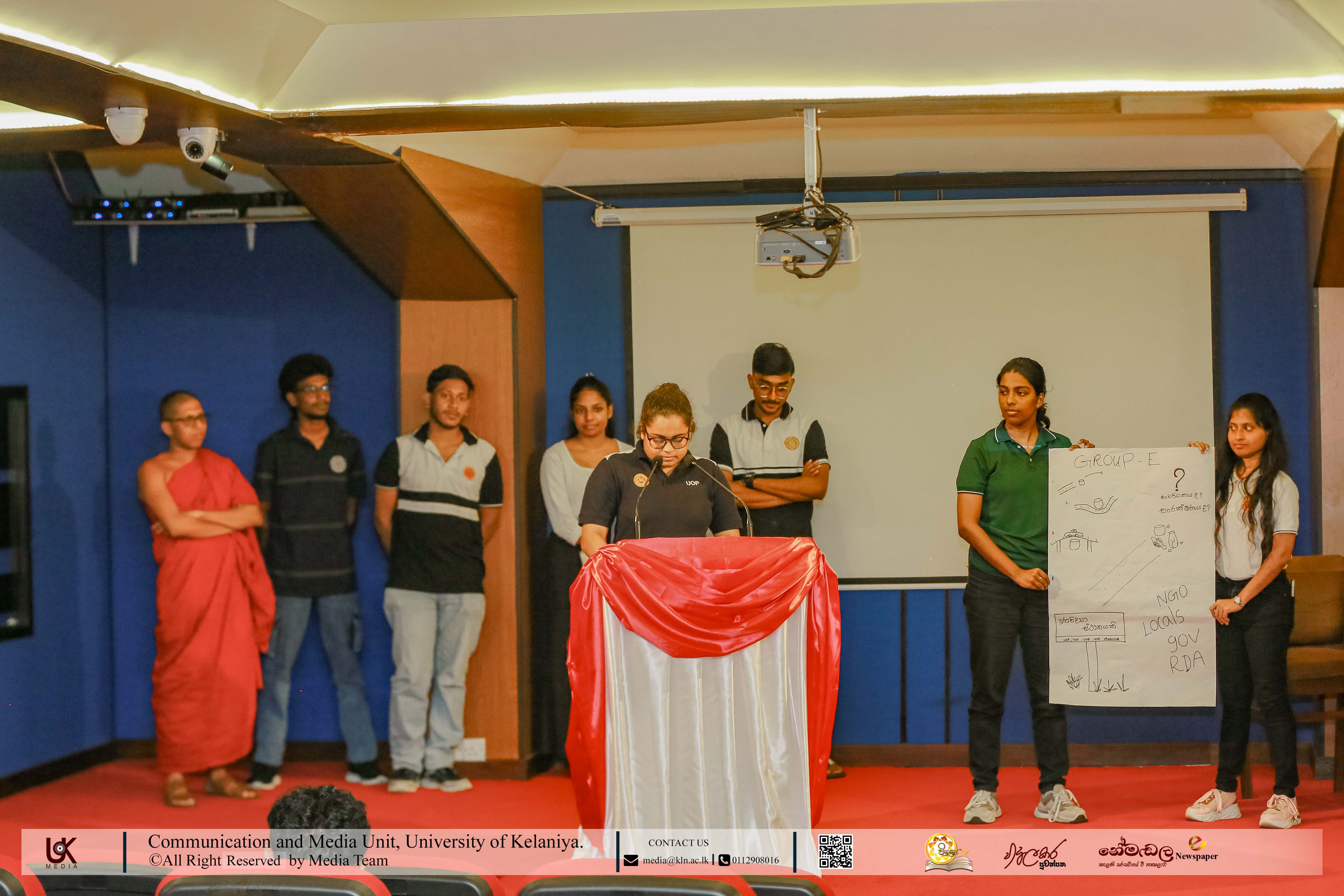
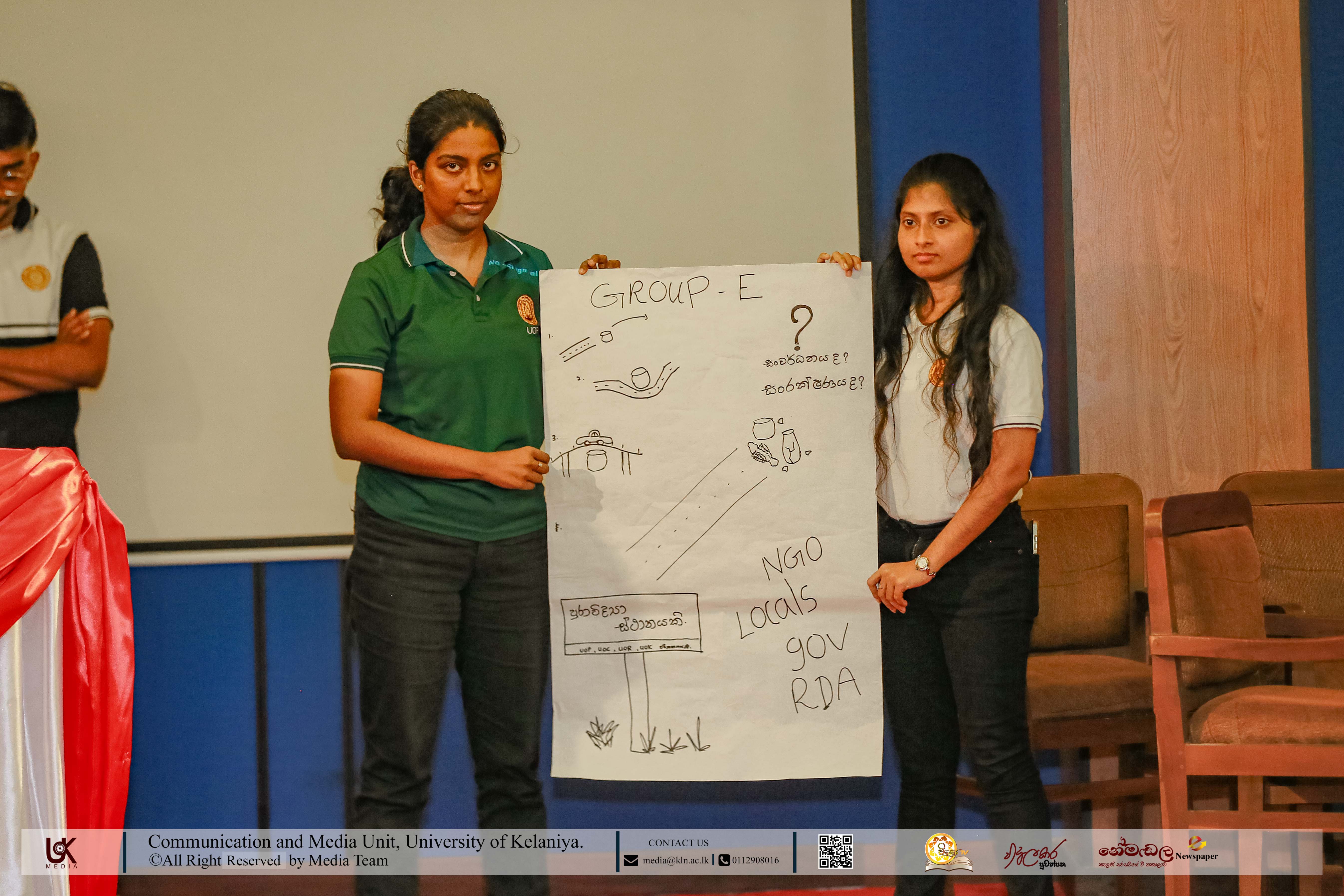
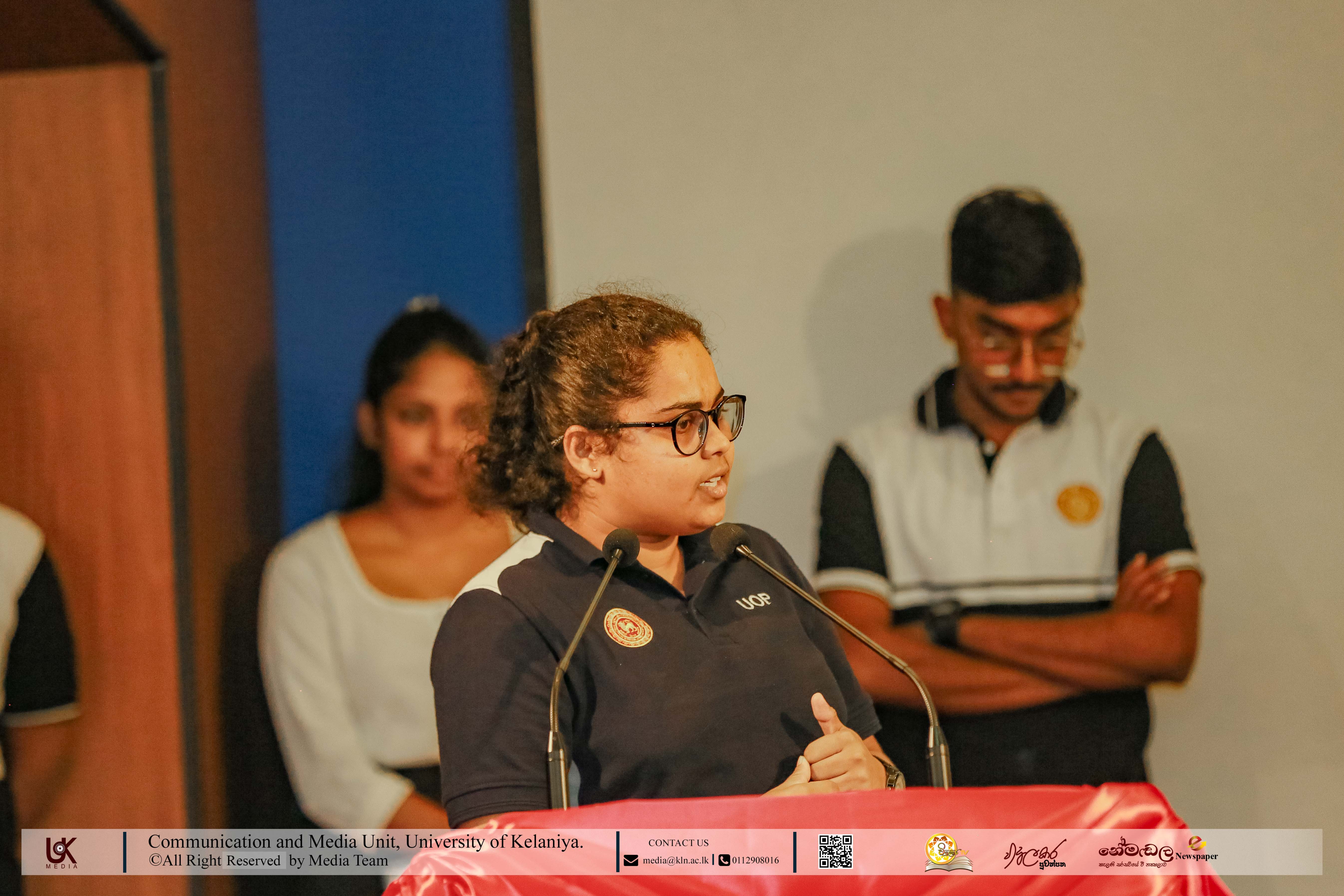
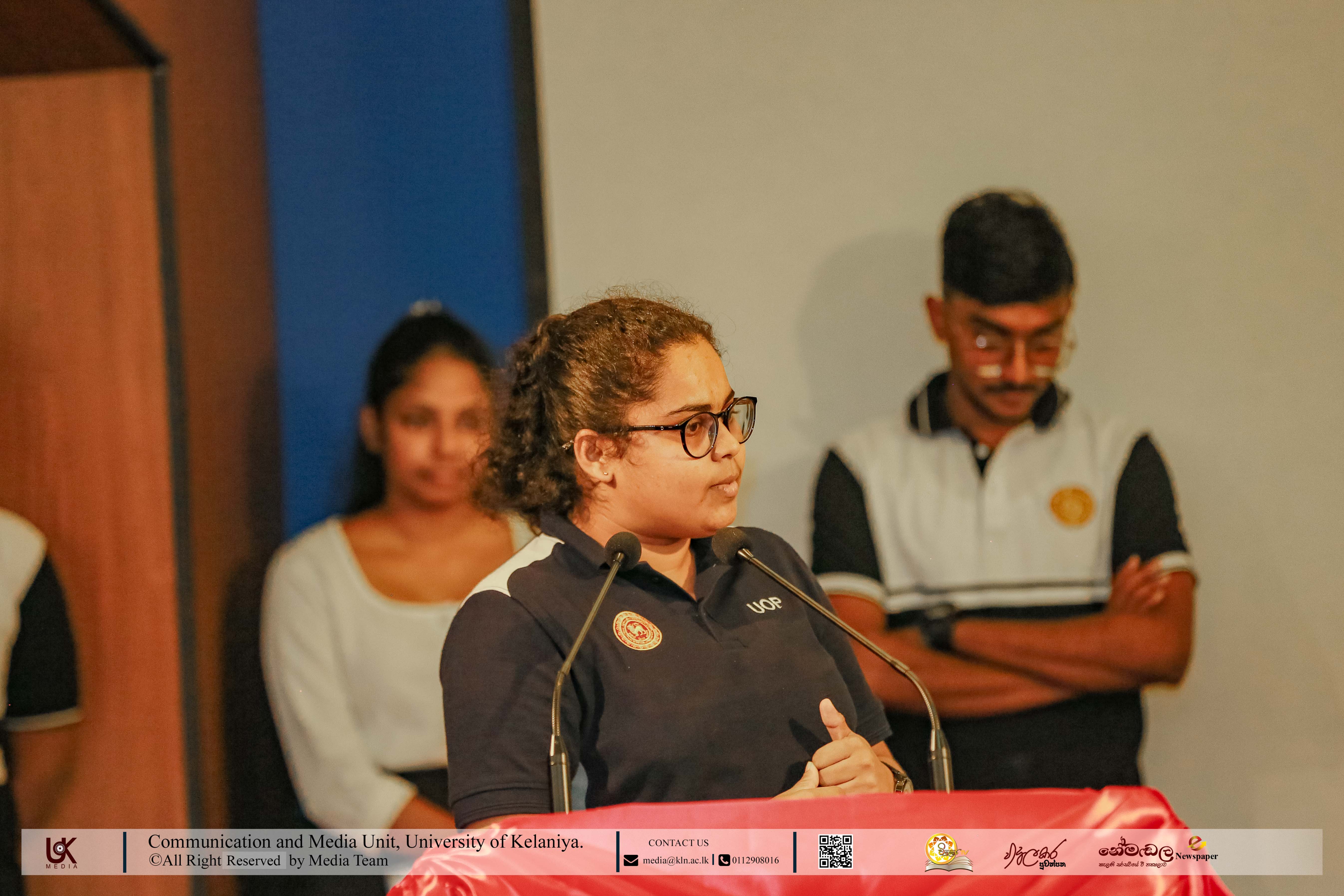
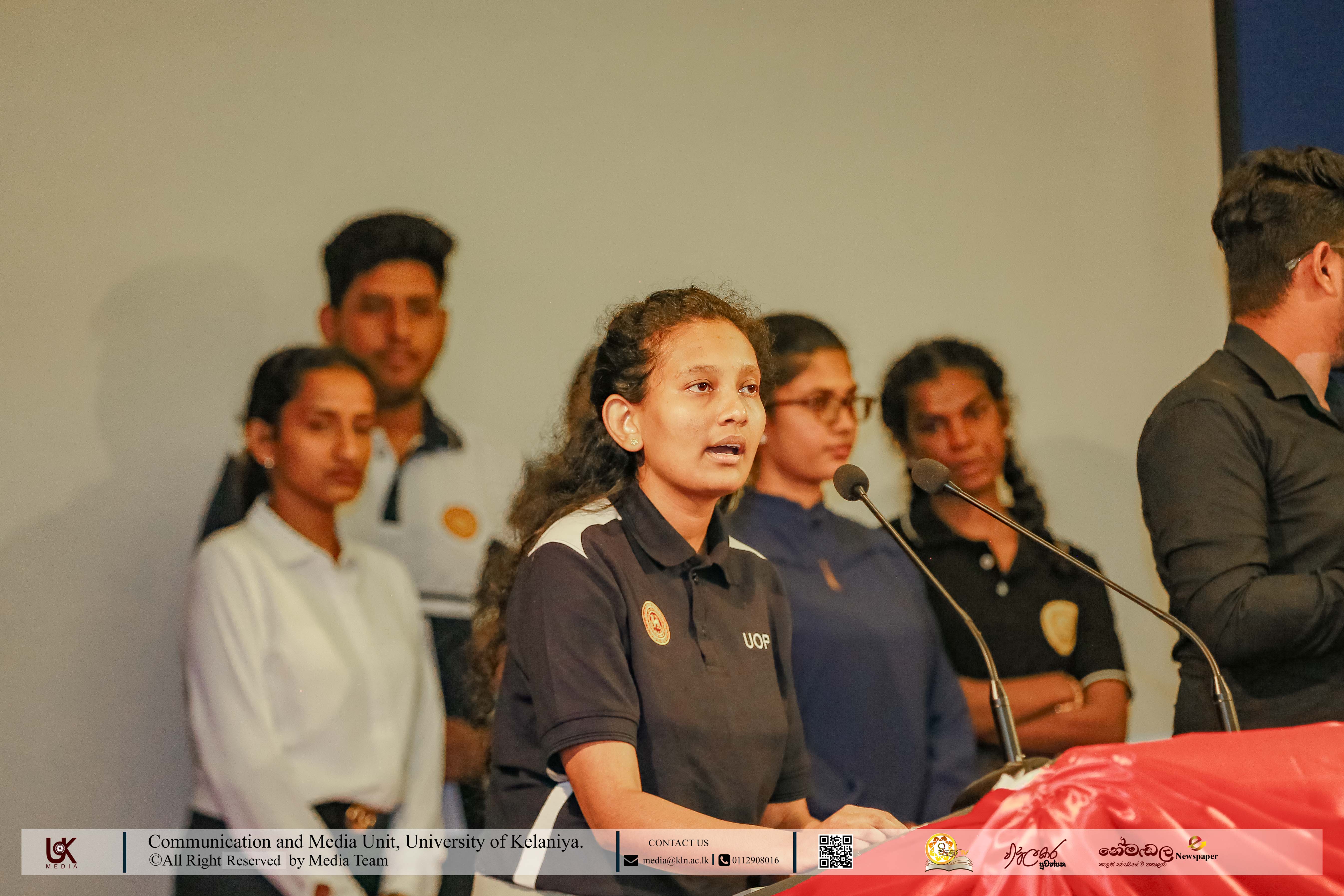
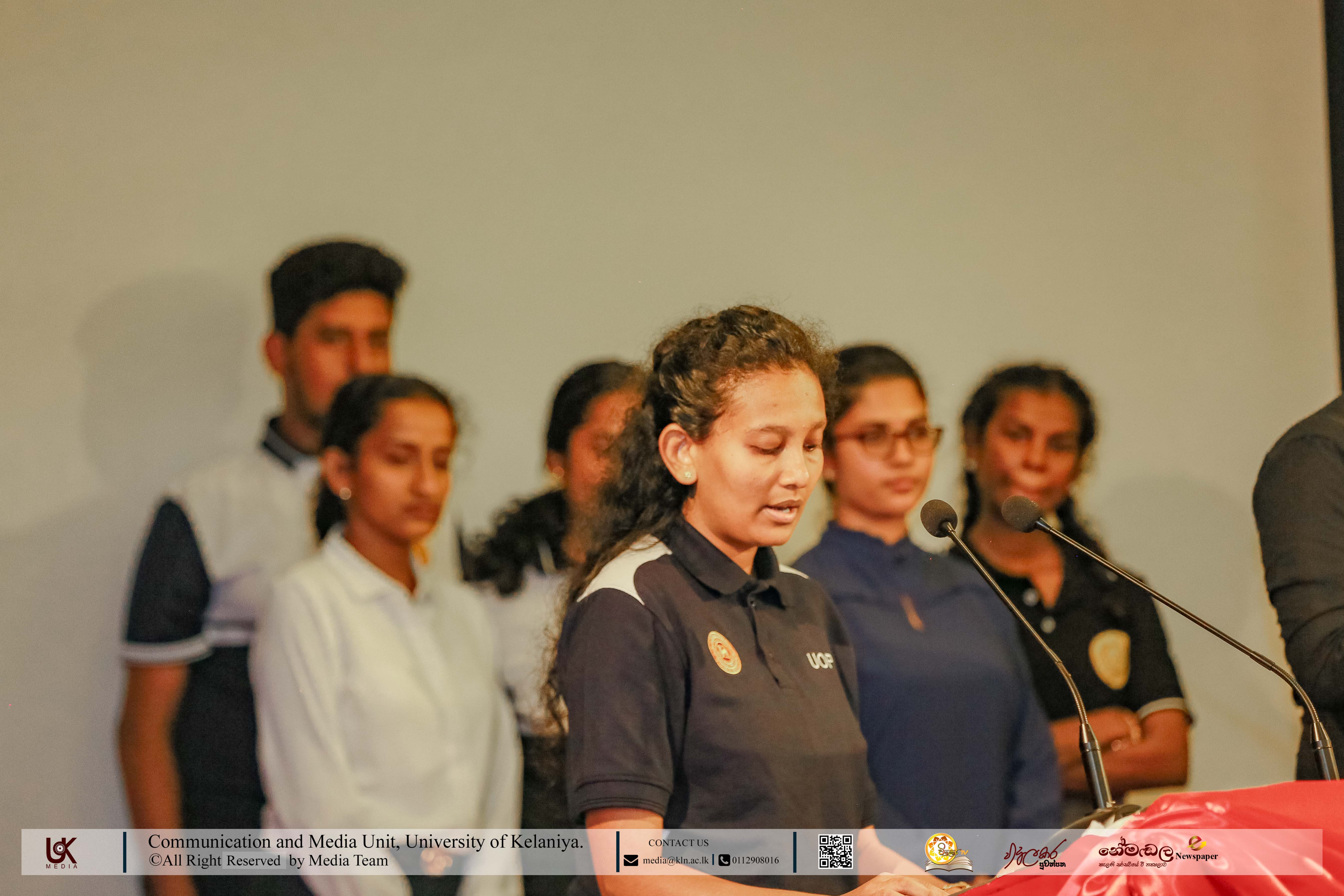
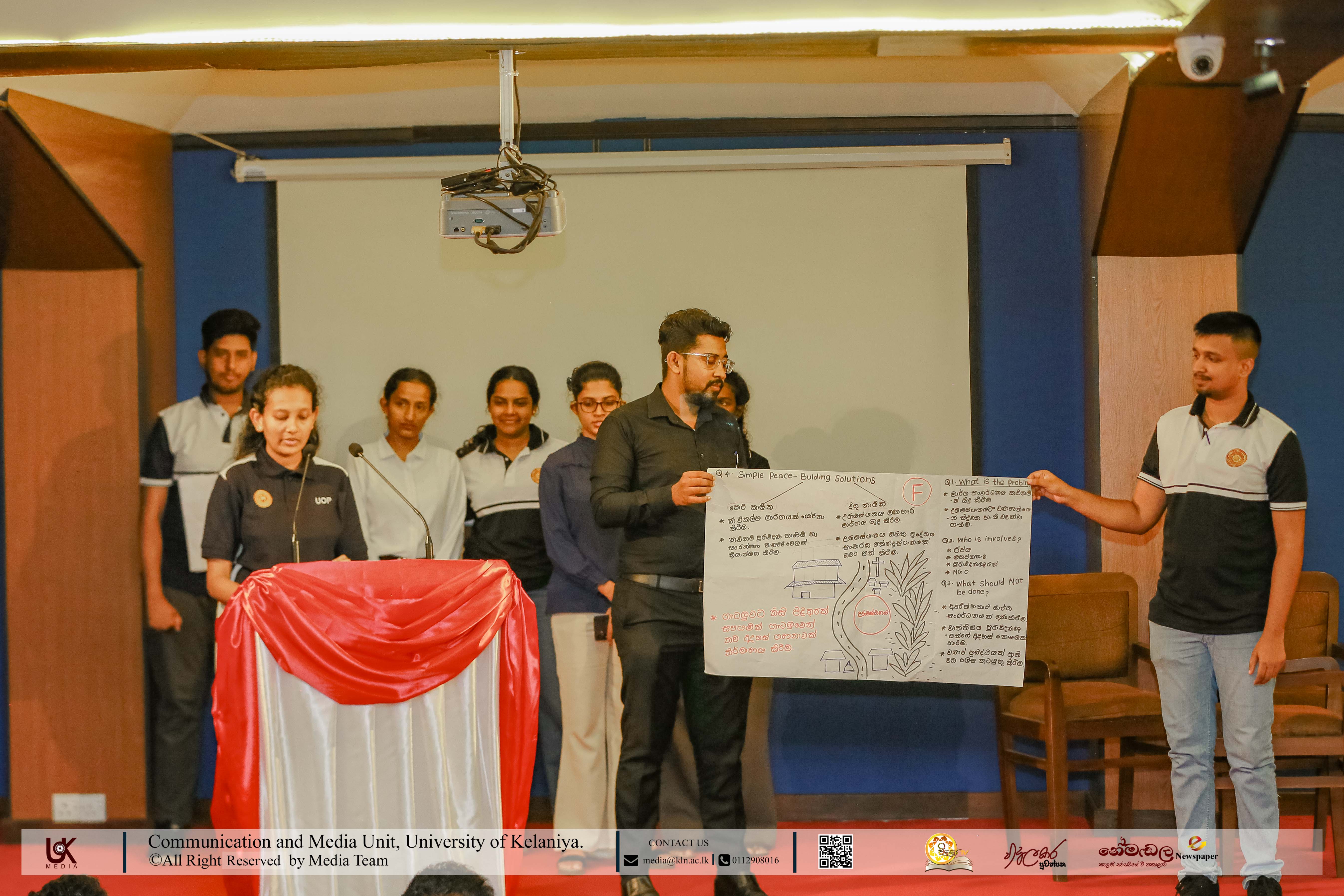
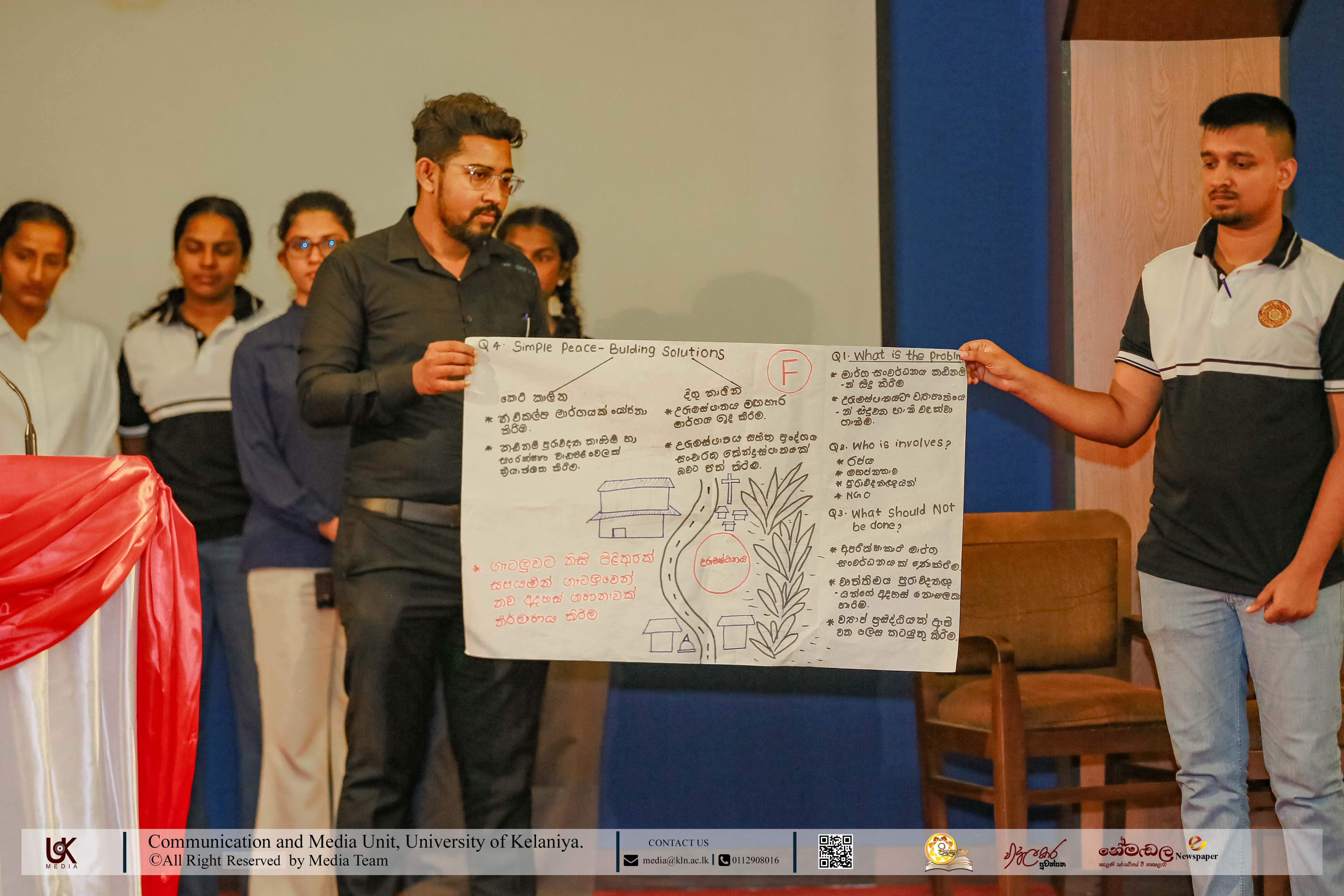
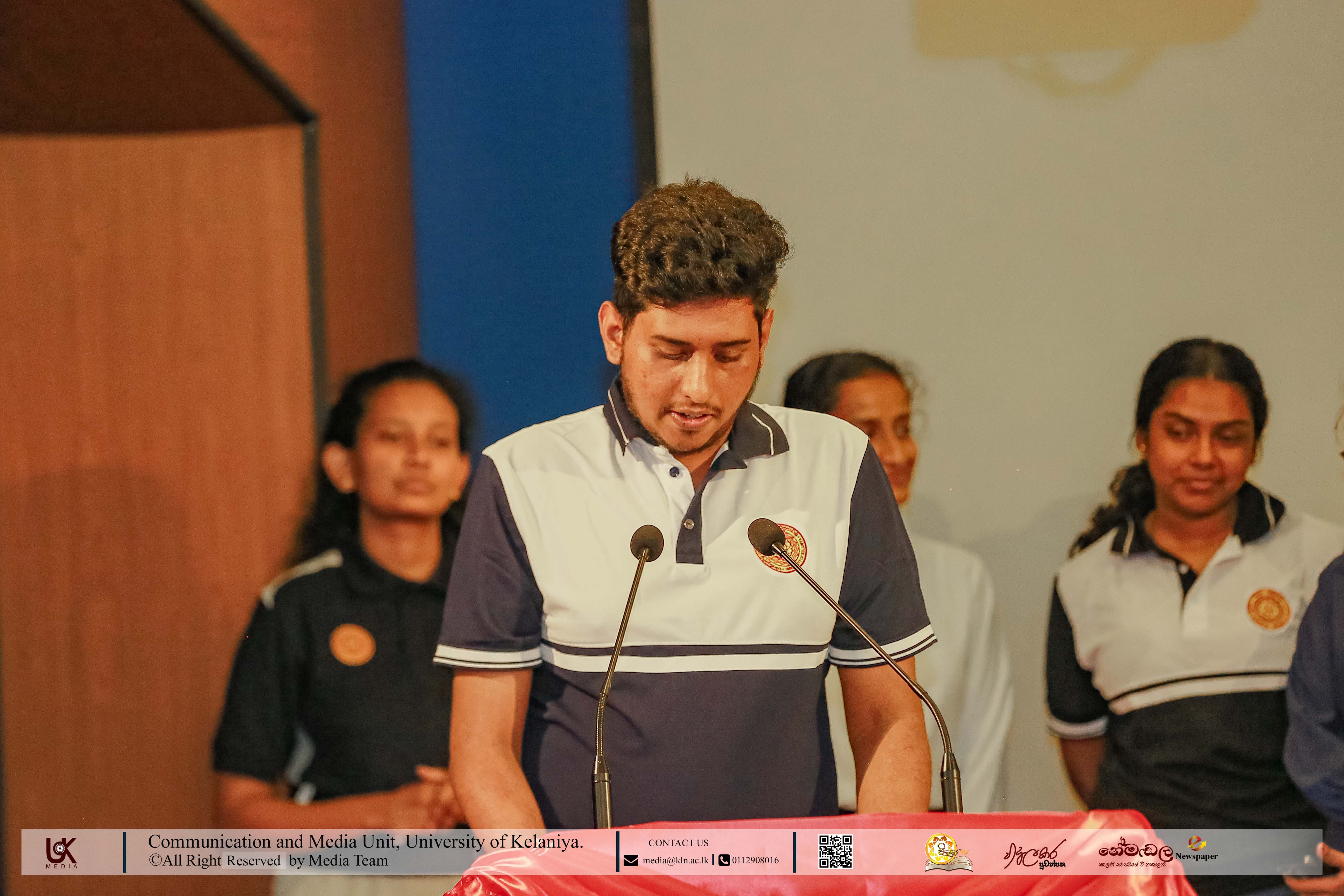
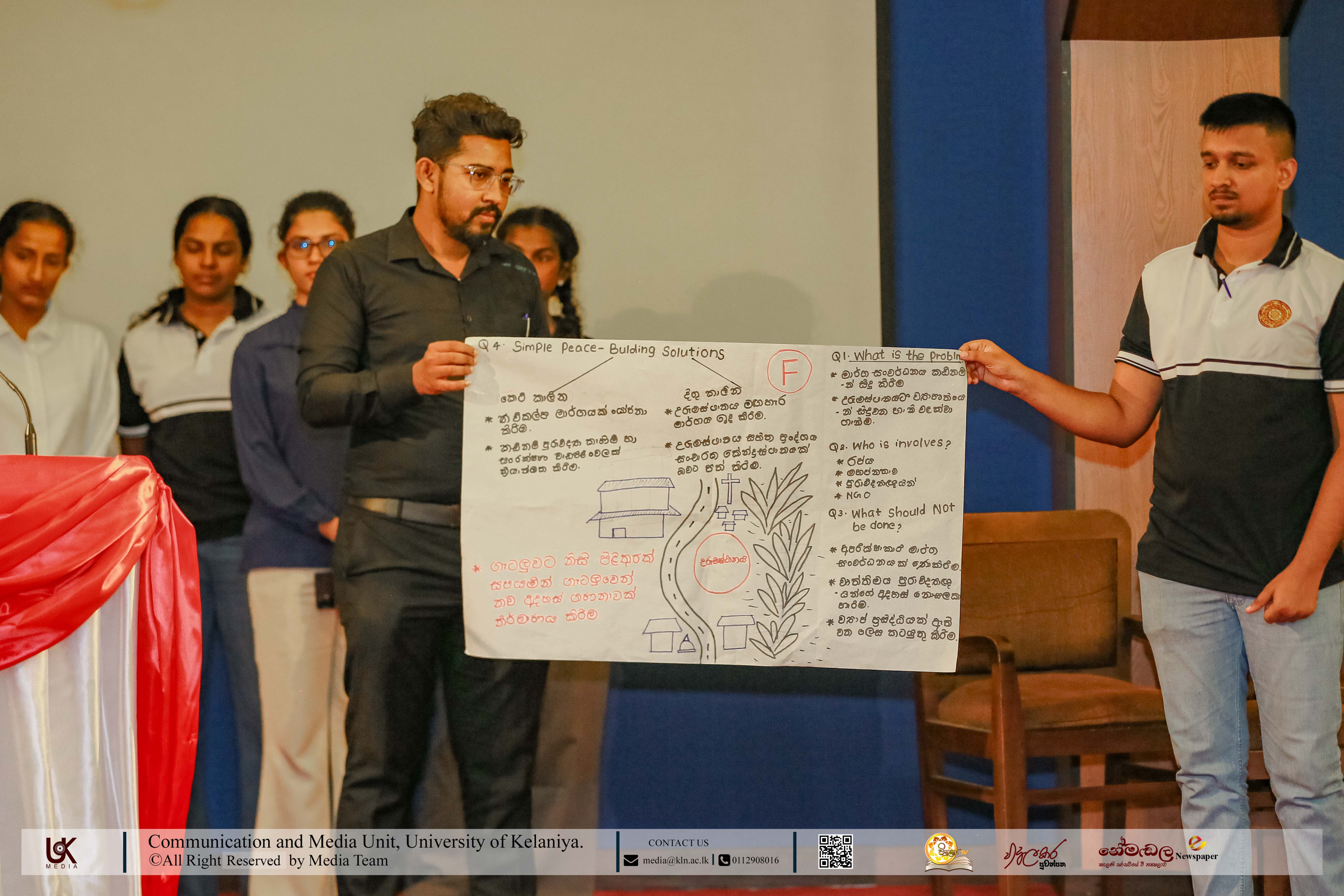
The evening workshop session provided students with an opportunity to actively engage in group activities and case-study discussions related to contested heritage and peacebuilding. Participants analysed hypothetical heritage-related scenarios and proposed peace-building solutions through collaborative discussions and visual presentations. Students expressed that the workshop helped them understand contested heritage from multiple perspectives while also encouraging inter-university interaction and networking.
Several participants also discussed the possibility of organising future collaborative academic programmes among student societies representing different universities.
The Archaeology Students’ Society coordinated the overall organisation of the programme, while the Tourism Club of the Department of Archaeology managed hospitality and catering arrangements for guests and participants. The hospitality extended throughout the programme was highly appreciated by attendees.
The event was further supported by the Department of Mass Communication, Department of Geography, and Department of Philosophy of the University of Kelaniya.
The programme concluded successfully with a strong message emphasising cultural diversity, people-centred dialogue, mutual understanding, and sustainable peace through inclusive and responsible approaches to heritage.