LATEST NOTICES
Sustainability Leadership Training Program Student Tharushi Yapa Participated in Japan’s JENESYS 2025 Programme
- UoK News
- Posted On
.jpg)
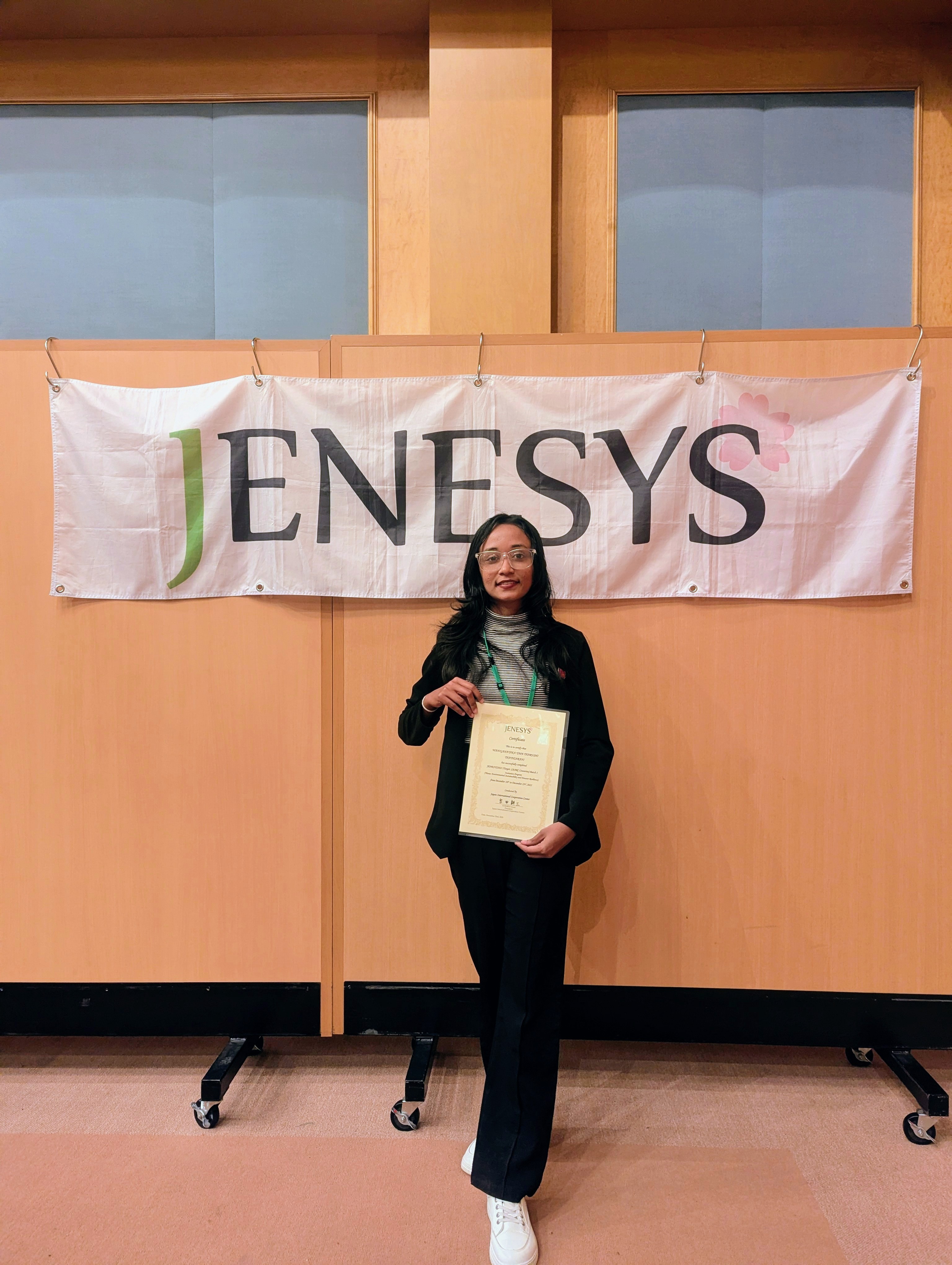
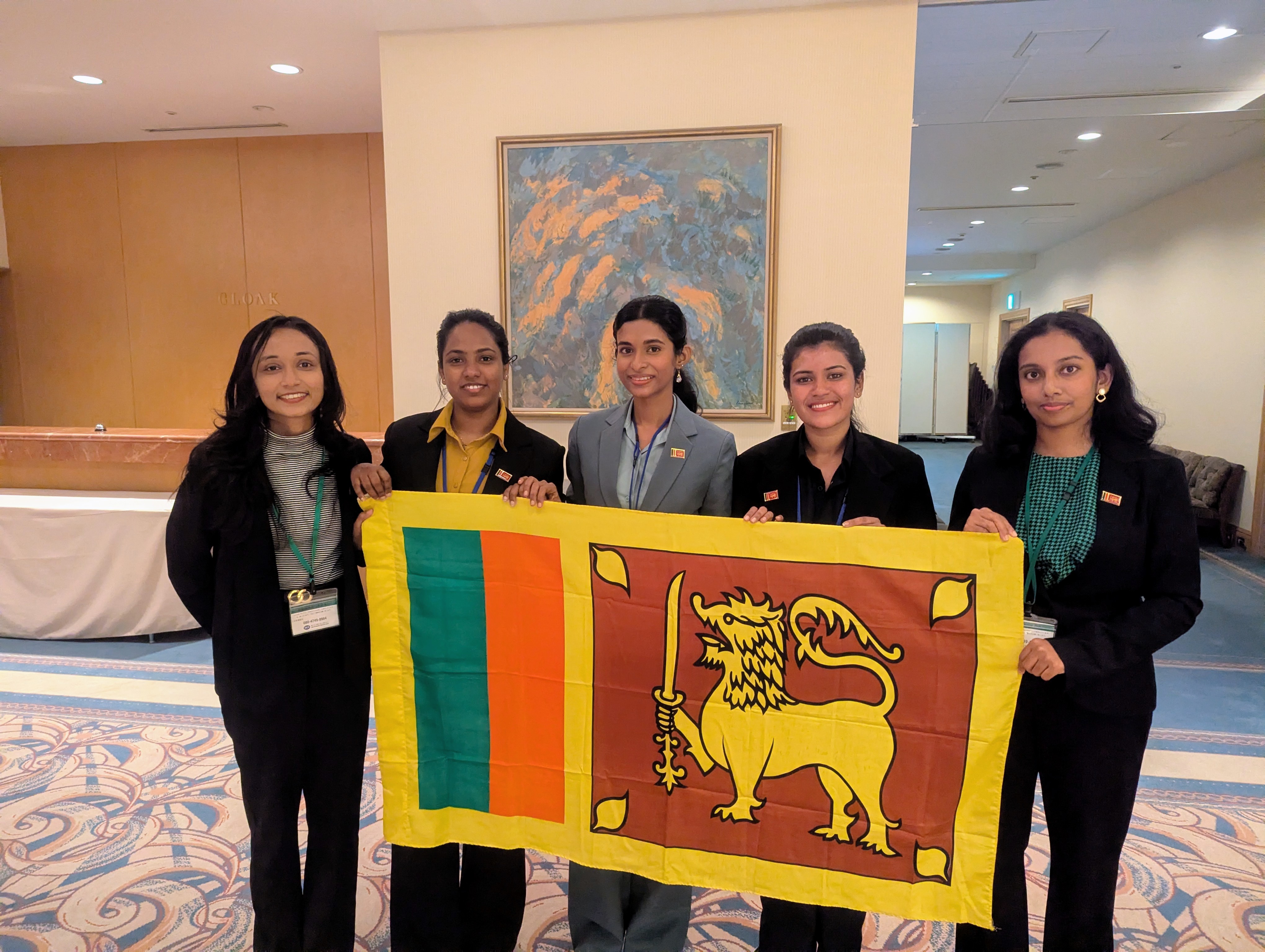
Ms Tharushi Yapa, a third-year undergraduate of the B.Sc. (Hons) in Environmental Conservation and Management, offered by the Department of Zoology and Environmental Management, Faculty of Science at the University of Kelaniya, was selected to represent Sri Lanka at the Japan–East Asia Network of Exchange for Students and Youths (JENESYS 2025) programme in Japan in December 2025.
The JENESYS 2025 programme, fully funded by the Government of Japan and implemented by the Japan International Cooperation Centre (JICE), accepted only five participants from each SAARC country. Tharushi's selection came through her nomination by the Centre for Sustainability Solutions (CSS), University of Kelaniya, following her successful completion of the Sustainability Leadership Training Programme, conducted by the CSS in 2025.
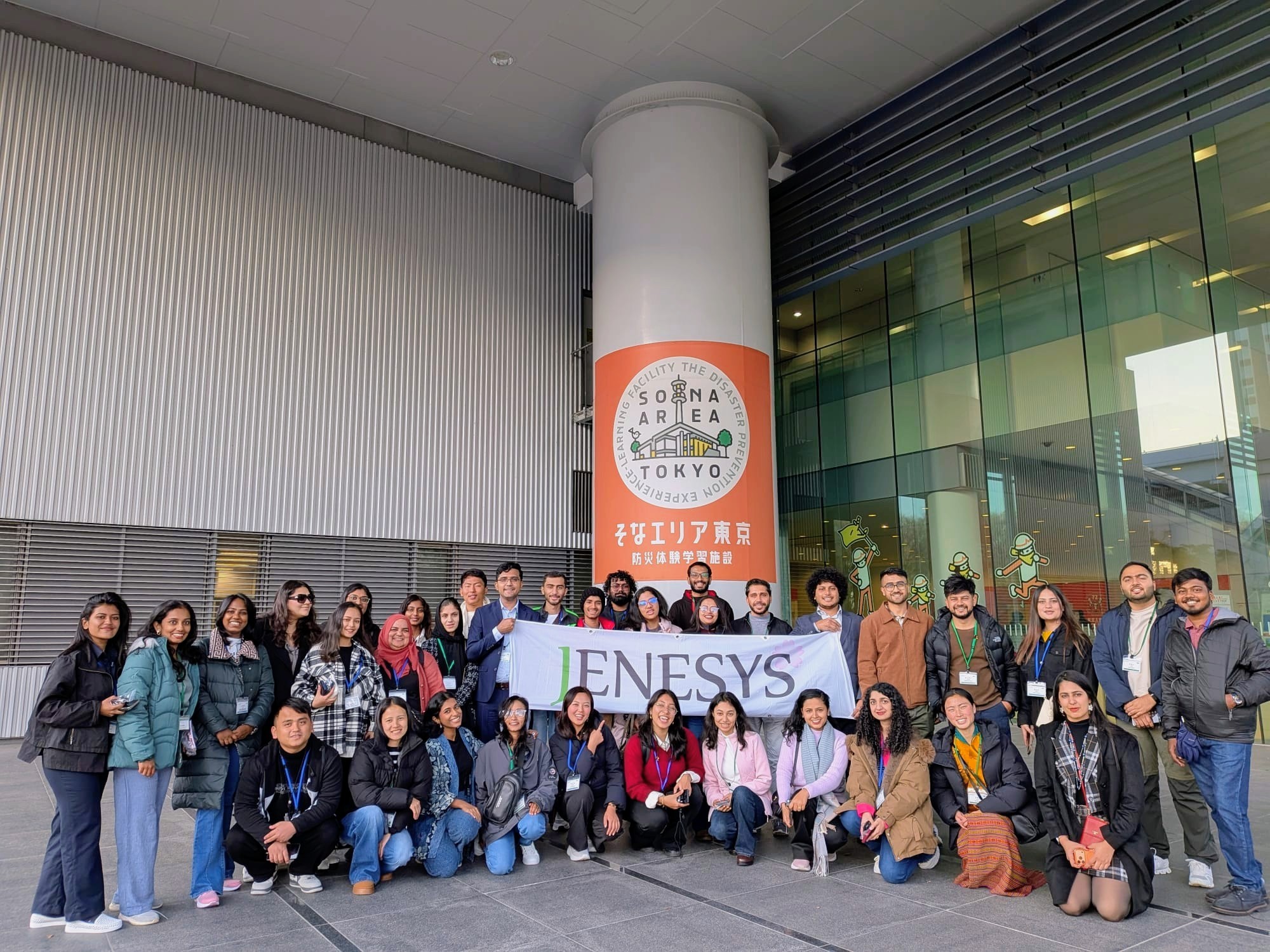
From 16 to 23 December 2025, Tharushi joined fellow youth representatives from across SAARC countries in Tokyo and Nagano, Japan, for an intensive week-long programme centered on the critical theme of ‘Environmental Sustainability and Disaster Resilience.’ The programme was thoughtfully designed to provide participants with comprehensive exposure to Japan's advanced approaches to environmental management and disaster preparedness. Throughout the week, participants attended expert lectures at national institutions, gaining invaluable insights into Japan's world-renowned disaster preparedness systems and emergency response mechanisms. The programme also included hands-on training at state-of-the-art disaster simulation facilities, where participants experienced realistic scenarios and learned practical response strategies. Technical briefings covered a wide range of topics including ecosystem conservation, erosion control techniques, and innovative solid waste management practices that have made Japan a global leader in environmental sustainability.
Field visits to various locations in Tokyo and Nagano Prefecture provided participants with real-world examples of how theoretical knowledge translates into practice. These visits showcased community-based disaster resilience initiatives, sustainable local governance models, and environmentally responsible tourism practices that Japan has carefully developed and refined over decades. Beyond the technical and academic components, the programme placed significant emphasis on cultural exchange activities, allowing participants to gain deeper insights into Japanese social values, daily environmental practices, and the crucial role of community participation in addressing environmental challenges. This holistic approach ensured that participants understood not just the technical aspects of sustainability and disaster resilience, but also the cultural and social foundations that make these initiatives successful.
The programme concluded with participant presentations and action planning sessions, providing an opportunity for each representative to synthesize their learning and develop concrete strategies for implementing sustainable practices and disaster resilience initiatives in their home countries. These sessions encouraged participants to think critically about how Japan's experiences and innovations could be adapted to address the unique environmental challenges faced by their respective nations.
Through opportunities like these, the university continues to strengthen its position as a leading institution in sustainability-focused education and global engagement, while contributing to the broader goal of developing capable leaders who can address the pressing environmental challenges of our time.